

A well-designed landscape can transform an ordinary outdoor area into a beautiful, comfortable, and functional space. Whether it is a small backyard, a spacious garden, or a commercial property, thoughtful landscaping helps improve the appearance and usability of any outdoor environment. In Melbourne, where weather conditions change throughout the year, creating a landscape that combines visual appeal with practical design is especially important.
Professional landscape solutions Melbourne property owners choose can help turn outdoor ideas into long-lasting spaces that complement the building, suit the surrounding environment, and support everyday living.
Understanding the Importance of Landscape Design
Landscaping involves much more than planting flowers or maintaining a lawn. It requires careful planning, an understanding of the site, and the selection of suitable materials and plants. A successful design considers drainage, sunlight, soil conditions, access, privacy, and the way people intend to use the space.
For residential properties, landscaping can create inviting areas for relaxation, outdoor dining, gardening, and entertaining guests. For commercial buildings, an attractive exterior can establish a welcoming first impression while making outdoor areas more accessible and organised.
A balanced landscape design brings these elements together to create an environment that looks appealing without compromising functionality.
Choosing Plants Suitable for Melbourne’s Climate
Melbourne experiences a variety of weather conditions, including warm summers, cool winters, and periods of unpredictable rainfall. Selecting plants that can adapt to these conditions helps create a garden that remains attractive throughout the seasons.
Native Australian plants are often a practical option because many varieties are well suited to local conditions once established. Depending on the garden’s soil, exposure, and available space, homeowners might consider native grasses, flowering shrubs, and small trees.
Drought-tolerant plants can also reduce the need for frequent watering. However, plant selection should always reflect the specific conditions of the property rather than relying on a single approach for every garden.
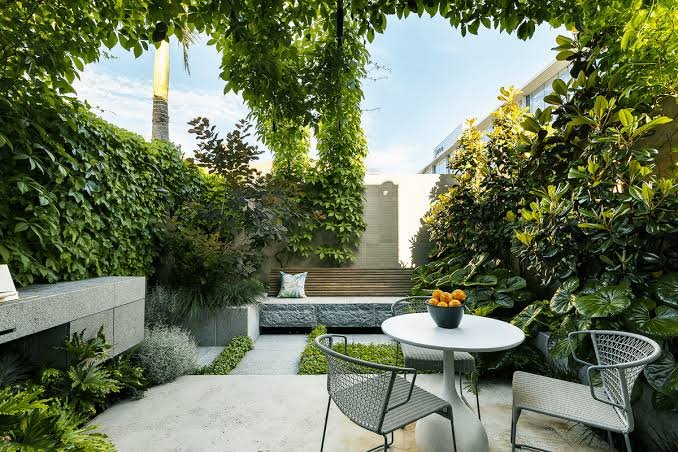
Combining plants with different textures, heights, and flowering periods adds depth and visual interest. Evergreen varieties can provide structure throughout the year, while seasonal flowers introduce colour and variety.
Making Outdoor Spaces More Functional
A beautiful garden should also support the needs of the people using it. Before starting a landscaping project, it is helpful to identify how the outdoor area will be used.
Families may benefit from open lawn areas, shaded seating, and safe pathways. Homeowners who enjoy entertaining might prefer an outdoor dining area connected to the house. Smaller properties can benefit from vertical gardens, compact planting beds, and carefully positioned furniture.
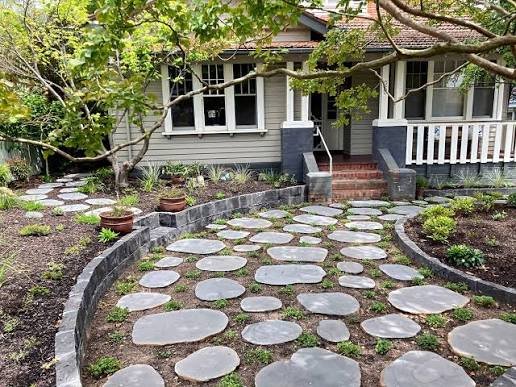
Pathways help connect different sections of a garden while improving accessibility. Materials such as natural stone, concrete pavers, and decorative gravel can create distinct styles depending on the property’s architecture.
Outdoor lighting is another useful feature. Strategically positioned lights can improve visibility along paths, highlight garden features, and make outdoor seating areas more inviting after sunset.
Incorporating Sustainable Landscaping Practices
Sustainability is becoming an important consideration in modern garden planning. Water-efficient irrigation, suitable plant selection, and responsible material choices can help reduce the environmental impact of an outdoor project.
Mulching is a simple technique that helps retain soil moisture, suppress weeds, and protect plant roots from temperature fluctuations. Improving soil quality with appropriate organic matter can also support healthy plant growth.
Rainwater collection may provide an additional water source for garden irrigation, subject to the property’s setup and applicable requirements. Drip irrigation systems can deliver water close to plant roots, helping reduce unnecessary water loss.
Using permeable paving where appropriate allows more rainwater to soak into the ground instead of flowing directly into drainage systems. The right solution depends on soil conditions, site gradients, and drainage requirements.
Sustainable landscaping does not mean sacrificing appearance. With careful planning, environmentally responsible choices can create attractive gardens that require less intensive maintenance.
Improving Drainage and Managing Outdoor Water
Drainage is an essential part of any landscaping project, particularly where heavy rainfall or poorly draining soil can create problems. Water collecting near foundations, on lawns, or along pathways may damage landscaping features and make outdoor areas difficult to use.
A professional assessment can identify potential drainage concerns before construction begins. Depending on the site, solutions may include adjusting ground levels, installing suitable drainage systems, improving soil structure, or incorporating drainage-friendly surfaces.
Correct grading helps direct surface water away from buildings and towards appropriate drainage points. Garden beds should also be planned with consideration for existing structures, underground services, and neighbouring properties.
Addressing these details early can prevent avoidable maintenance issues and help protect the long-term condition of the landscape.
Selecting Durable Landscaping Materials
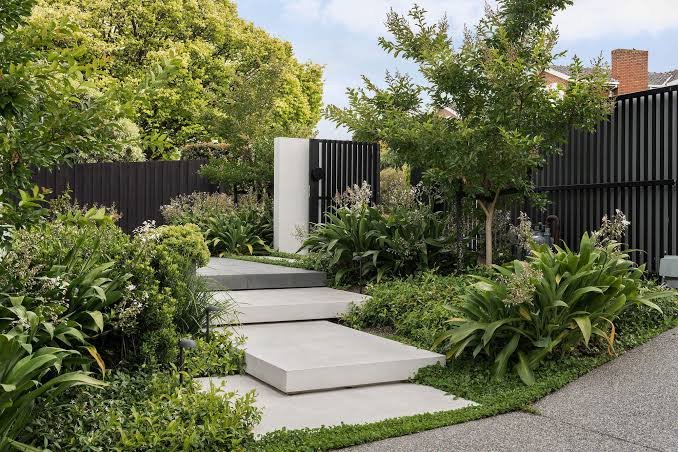
The materials used in a garden influence its appearance, durability, and maintenance requirements. Natural stone can provide a timeless finish, while concrete pavers offer flexibility in size, colour, and layout. Timber features can introduce warmth, and decorative gravel may suit pathways or low-maintenance garden sections.
When selecting materials, consider their resistance to weather, slip characteristics, maintenance needs, and suitability for the intended purpose. Outdoor surfaces should be installed correctly to provide stability and appropriate drainage.
It is also worth considering how the materials complement the building’s exterior. Consistent colours, textures, and finishes can create a more cohesive appearance between indoor and outdoor spaces.
Maintaining Your Landscape Throughout the Year
Even a well-planned garden needs regular attention to remain healthy and attractive. Seasonal maintenance may include pruning, removing weeds, checking irrigation systems, replenishing mulch, and inspecting paved surfaces.
Spring is often a suitable time to prepare planting beds and assess new growth. During summer, monitoring soil moisture and watering efficiently can help plants cope with warmer conditions. Autumn provides an opportunity to manage fallen leaves and prepare gardens for cooler weather.
Maintenance requirements vary according to the plants, materials, and overall design. Choosing suitable plants from the beginning can make ongoing care more manageable and help avoid unnecessary expenses.
Finding the Right Landscaping Approach
Every property has different requirements, so the best landscaping plan should be based on its size, layout, budget, and intended use. Reviewing previous projects, discussing design preferences, and requesting a clear scope of work can help property owners make informed decisions.
Professional landscape solutions in Melbourne can bring together garden design, planting, paving, drainage, and outdoor features in a coordinated plan. Before engaging a provider, confirm which services are included, what materials will be used, and whether any permits or additional site assessments may be necessary.
Clear communication during planning helps ensure that the finished space reflects the property’s needs and the owner’s expectations.
Conclusion
A thoughtfully designed landscape adds beauty, usability, and lasting value to an outdoor environment. From selecting climate-appropriate plants to improving drainage and incorporating sustainable features, every decision contributes to the overall success of a project.
By focusing on practical design, durable materials, and manageable maintenance, Melbourne property owners can create outdoor spaces that remain enjoyable throughout the year. Whether the goal is to refresh a backyard, improve a commercial entrance, or develop a complete garden, careful planning provides the foundation for a landscape that combines style with everyday functionality.