


Ever thought about giving your home a fresh new look without knocking down walls or completely renovating? What if there was a way to hide unsightly pipes, improve your home’s acoustics, and add a touch of contemporary style all in one go? Have you considered what’s happening above your head?
Modern suspended ceilings are making a serious comeback in Australian homes, and it’s not hard to see why. Once associated with dreary office spaces and commercial buildings, today’s suspended ceiling options have evolved dramatically. They now offer sleek designs, improved functionality, and a range of styles that complement contemporary interiors beautifully.
In this guide, we’ll explore everything you need to know about incorporating a modern suspended ceiling into your home. From understanding the different types available to weighing up costs and installation options, you’ll discover how this often-overlooked design element can transform your living spaces. Whether you’re renovating a heritage property or building a brand-new home, there’s a suspended ceiling solution that’s perfect for your needs.
What Is a Modern Suspended Ceiling?
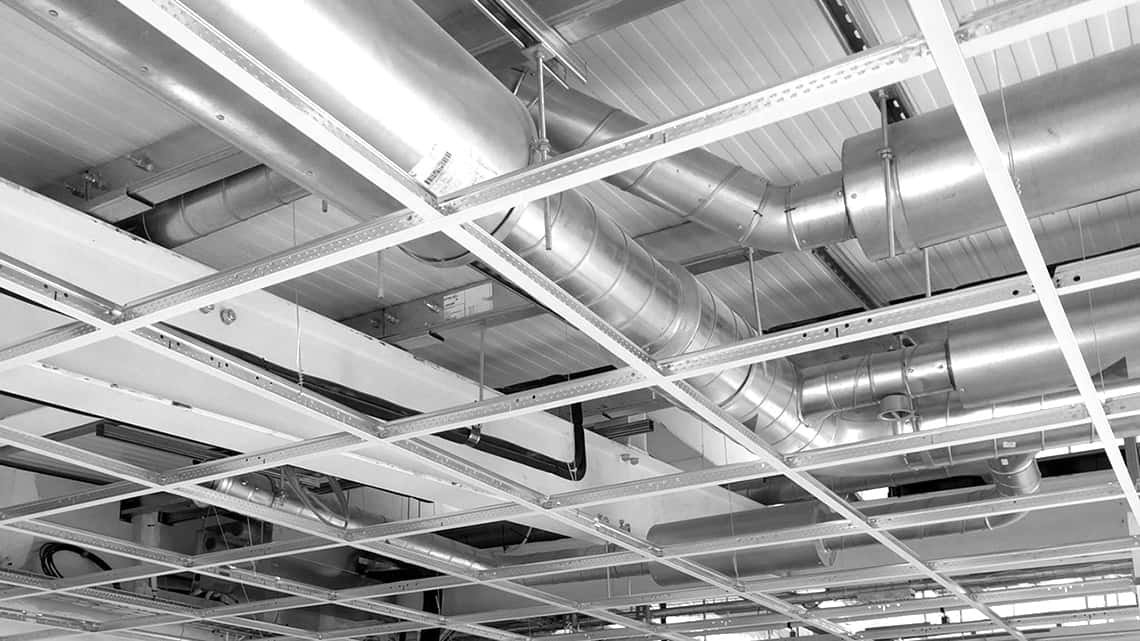
A modern suspended ceiling, sometimes called a drop ceiling or false ceiling, hangs below your existing ceiling structure. It creates a secondary ceiling that sits lower than the original, suspended from a metal grid framework.
How Suspended Ceilings Differ from Traditional Ceilings
Unlike traditional plaster or plasterboard ceilings that attach directly to ceiling joists, suspended ceilings hang independently. This creates a gap between the two surfaces, which proves incredibly useful for concealing services and improving insulation. Traditional ceilings are permanent fixtures, while suspended systems offer easy access to the space above.
Key Components of a Suspended Ceiling System
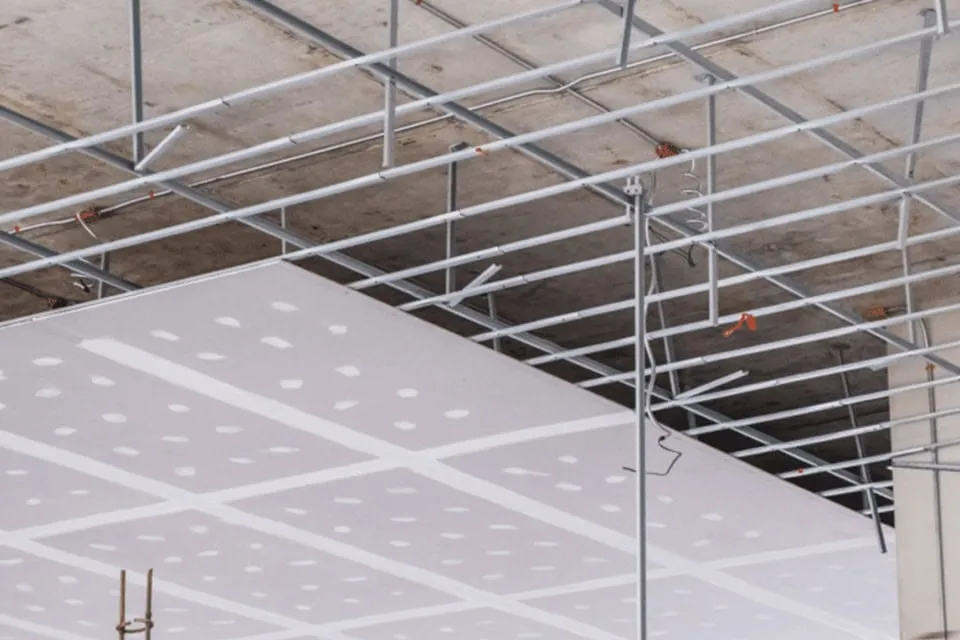
The system consists of several elements working together. Main runners and cross tees form the metal grid framework. Tiles, panels, or other ceiling materials slot into or attach to this grid. Wall angles provide a clean finish around the room’s perimeter. Plus, hangers and wires connect everything securely to the structure above.
What Are the Benefits of Installing a Suspended Ceiling in Your Home?
Installing a suspended ceiling delivers multiple advantages that make it an attractive choice for homeowners across Australia.
Improved Acoustic Performance and Noise Reduction
If you’ve got noisy neighbours upstairs or want to reduce sound travelling between rooms, suspended ceilings work brilliantly. Many ceiling tiles feature sound-absorbing properties that dampen noise effectively. This makes them ideal for home theatres, music rooms, or bedrooms where peace and quiet matter most.
Enhanced Energy Efficiency and Insulation
The air pocket created between your original ceiling and the suspended system acts as an insulating layer. This helps regulate room temperature throughout the year. In winter, heat stays where you want it. In summer, your air conditioning works more efficiently. The result? Lower energy bills and a more comfortable home.
Easy Access to Wiring, Plumbing, and HVAC Systems
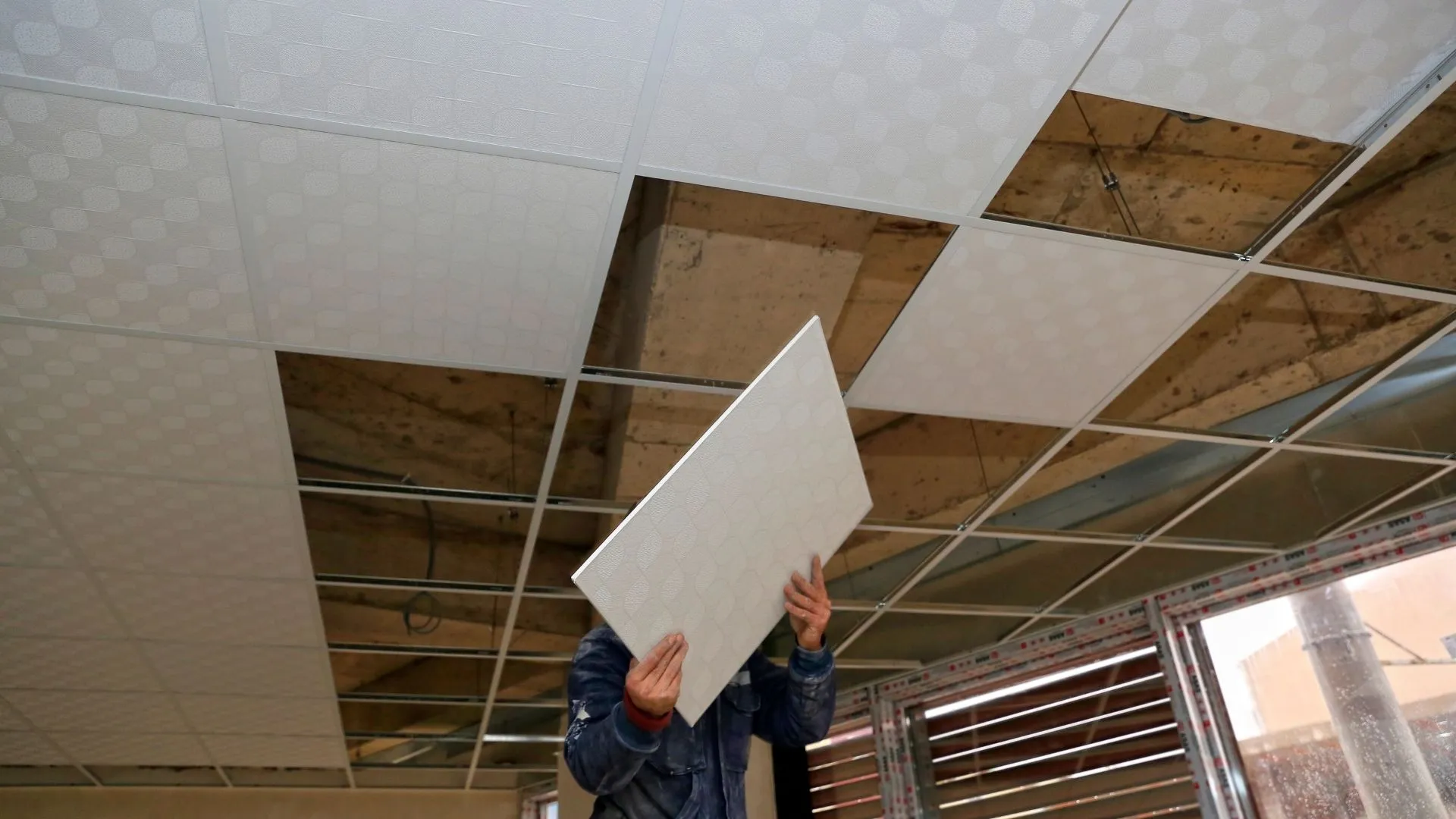
One of the biggest practical benefits is accessibility. Need to run new electrical cables? Want to add downlights? Simply lift out a tile and you’ve got clear access to everything above. This makes maintenance and upgrades straightforward rather than involving destructive work.
Concealing Imperfections and Uneven Surfaces
Older homes often come with ceiling imperfections, exposed pipes, or uneven surfaces. Rather than undertaking expensive repair work, a suspended ceiling neatly conceals everything. It’s a smart solution that saves both time and money.
Are Suspended Ceilings Suitable for Residential Use?
Absolutely! While suspended ceilings were traditionally commercial favourites, today’s residential options have changed the game entirely.
Best Rooms for Suspended Ceilings in Your Home
Suspended ceilings work particularly well in basements, home offices, laundries, and bathrooms where pipes and wiring often need concealing. They’re also popular in open-plan living areas, home theatres, and bedrooms. Kitchens benefit too, especially when you want integrated lighting without extensive electrical work.
Modern Design Options That Suit Contemporary Interiors
Forget those dated foam tiles from decades past. Today’s options include sleek plasterboard finishes, stylish timber slats, elegant metal panels, and seamless stretch ceilings. You’ll find designs ranging from minimalist and modern to warm and traditional. There’s genuinely something for every taste.
Types of Suspended Ceiling Systems for Homes
Choosing the right system depends on your aesthetic preferences, budget, and practical requirements.
Drop Ceiling Tiles and Panels
These are the most common type, featuring tiles that drop into a visible metal grid. Modern tiles come in various materials including mineral fibre, fibreglass, and even eco-friendly options. They’re cost-effective and easy to replace if damaged.
Plasterboard Suspended Ceilings
For a seamless look that mimics traditional ceilings, plasterboard systems are excellent. The metal framework is concealed, and the finished surface can be painted any colour. This option suits those wanting a polished, sophisticated appearance.
Metal and Timber Slat Ceilings
These create striking visual statements with linear patterns. Metal slats offer an industrial edge, while timber brings warmth and natural beauty. Both work wonderfully in contemporary Australian homes seeking that architectural wow factor.
Stretch Ceilings for a Seamless Look
Stretch ceilings use a PVC or fabric membrane stretched across the room. They create perfectly smooth, uninterrupted surfaces. Available in numerous colours and finishes, including glossy options that reflect light beautifully, they’re becoming increasingly popular in residential settings.
Can You Install a Suspended Ceiling Yourself?
For handy homeowners, DIY installation is certainly achievable with the right preparation.
Step-by-Step Overview of the Installation Process
Start by measuring your room carefully and planning the grid layout. Install wall angles around the perimeter at your chosen height. Hang the main runners using ceiling wires, then add cross tees to complete the grid. Finally, install your chosen tiles or panels.
Tools and Materials You Will Need
Gather a laser level, tape measure, string line, tin snips, drill, and screwdriver. You’ll need the grid components, ceiling tiles, and appropriate fixings for your ceiling type. Safety equipment including goggles and a sturdy ladder are essential.
When to Call a Professional
Consider professional help for large rooms, complex layouts, or when integrating significant electrical work. If you’re uncomfortable working at height or lack confidence, professionals deliver peace of mind.
How to Choose the Right Suspended Ceiling Design for Your Space
Selecting the perfect design requires balancing aesthetics with functionality.
Matching Ceiling Styles to Your Home’s Aesthetic
Contemporary homes suit clean plasterboard or minimalist tile designs. Industrial-style spaces work well with exposed grid systems or metal panels. For coastal or relaxed interiors, timber slats create beautiful results. Consider your existing décor when deciding.
Lighting Integration Options
Modern suspended ceiling accommodate various lighting types brilliantly. Recessed downlights, LED panel lights, and pendant fittings all integrate seamlessly. Plan your lighting layout during the design phase for the best results.
Colour, Texture, and Finish Considerations
White remains popular for its ability to brighten spaces, but don’t overlook other options. Dark colours add drama, while textured finishes add visual interest. Glossy stretch ceilings make rooms feel larger by reflecting light.
Do Suspended Ceilings Reduce Room Height?
This common concern deserves honest addressing.
Minimum Ceiling Height Requirements
Suspended ceilings typically require 100-200mm of drop below the original ceiling. Australian building codes specify minimum ceiling heights of 2.4 metres for habitable rooms. Make sure your finished ceiling meets these requirements.
Design Tricks to Maintain a Spacious Feel
Light colours, glossy finishes, and recessed lighting help rooms feel taller. Minimising the drop where possible and using streamlined grid systems also reduce visual impact. Strategic design choices ensure your space remains airy and open.
How Do You Maintain and Clean a Suspended Ceiling?
Suspended ceilings require minimal maintenance, making them wonderfully practical.
Routine Cleaning Tips
Regular dusting with a soft brush attachment keeps tiles looking fresh. For deeper cleaning, use a damp cloth with mild detergent. Avoid saturating tiles, as moisture can cause damage or staining.
Replacing Damaged Tiles or Panels
Accidents happen, but replacing individual tiles is simple. Just lift out the damaged tile and drop in a replacement. Keep spare tiles from your original installation for perfect colour matching.
Common Mistakes to Avoid When Installing Suspended Ceilings
Planning prevents problems. Common errors include inadequate grid spacing, poor wire placement, and failing to account for lighting positions. Rushing the levelling process leads to uneven results. Not leaving sufficient access space above makes future maintenance difficult.
Transform Your Home with a Modern Suspended Ceiling
Modern suspended ceilings offer an exciting opportunity to refresh your home’s interior while gaining practical benefits. From improved acoustics and energy efficiency to easy maintenance access and design flexibility, they tick numerous boxes.
Whether you choose sleek plasterboard, striking timber slats, or contemporary stretch materials, today’s options suit virtually any home style. The investment delivers both immediate visual impact and long-term functional advantages.
Ready to look up and reimagine your ceilings? Start exploring your options, obtain quotes from local professionals, and take the first step toward transforming your living spaces. Your perfect suspended ceiling awaits!