


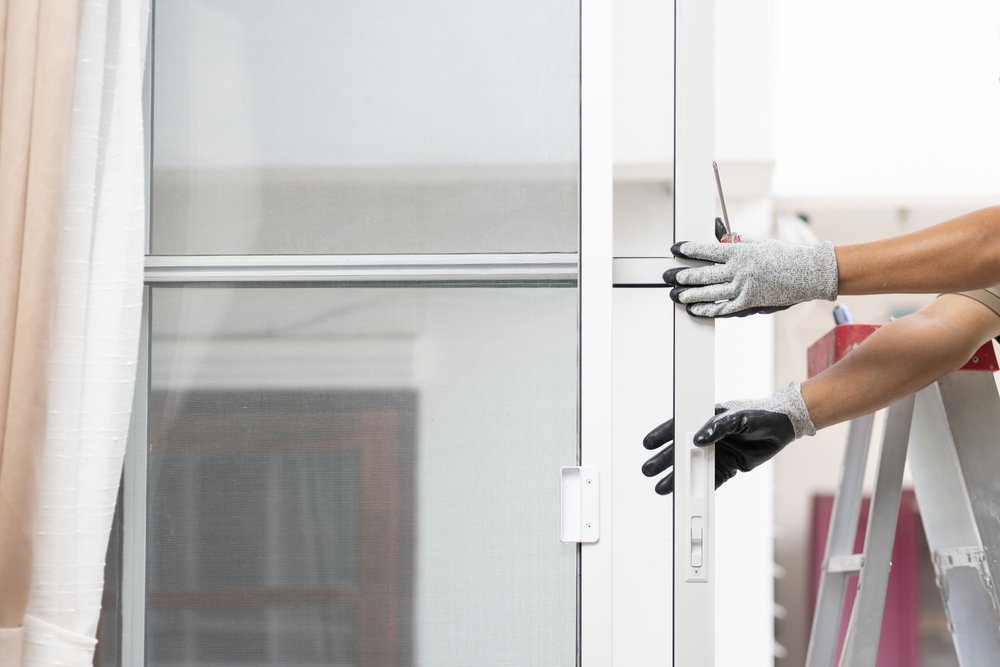
Sliding doors are a popular choice for modern homes and commercial spaces because they save space, increase accessibility, provide ease of connection between areas, and contribute to a clean and modern look. The success of a sliding door very much revolves around its track system. Selecting the right sliding door tracks is necessary for smooth usage, lasting performance and longevity. Does not matter if you are going for patio doors, wardrobe doors or even commercial glass panels, which kind of track system you select matters a lot as it can have a great impact on functionality and aesthetics.
Knowledge of a sliding door type
Choosing the right sliding door tracks starts with knowing what kind of a sliding door is being installed. There are different track systems for different types of doors depending on how heavy these doors can be, whether treated as industrial or residential) and usage. Lightweight tracks are generally used for residential wardrobe doors, whereas heavy-duty tracks that can sustain more weight are suitable for large glass patio doors or commercial sliding systems.
For instance, internal sliding doors are concerned with aesthetics and smooth functioning while external sliding doors also must be weatherproof and secure. Having an idea of its proposed use, and which door it will be located, will help the most in determining track style and material.
Consider the Weight Capacity
Weight capacity is one of the most critical factors when choosing sliding door tracks. If a track cannot consequently support the weight of door, then rapid wearing out or operating issues may occur. Heavy glass or timber doors need heavy-duty track systems, robust rollers and reinforced materials.
This means most sliding door manufacturers will have a weight rating for their track, assisting with matching the system with the mass of the door. Choosing a track that offers adequate load-bearing capacity supports safe movement reducing the burden on moving components and increasing reliability for the full system life.
Choose Durable Materials
The material that is used to manufacture sliding door tracks is one of the factors which influences durability and performance. Tracks material – Alumni i bendera Mainly aluminum tracks, as they are lightweight, resistant to rust, good for house and outdoors. Stainless steel tracks are the trick of handling high-traffic, coastal environments more than strength and resistance to corrosion.
Steel tracks might offer added sturdiness and stability for industrial or heavy-duty commercial purposes. Choosing great material avoids wear, bend and rust, so it will function properly for a long time.
Prioritise Smooth Operation
Any good sliding door system will prioritise smooth and silent operation. Friction is reduced and usability is improved with high-performance rollers combined with extreme precision tracks. Ball-bearing rollers are ideal for keeping the doors moving consistently, especially for larger sized or heavier doors.
We also want tracks that are aligned to the chosen roller system. Not only does proper alignment of rollers and tracks help reduce vibration and noise, but it also increases overall efficiency. It also helps to test the sliding action before installation to determine any potential issues.
Evaluate Installation Requirements
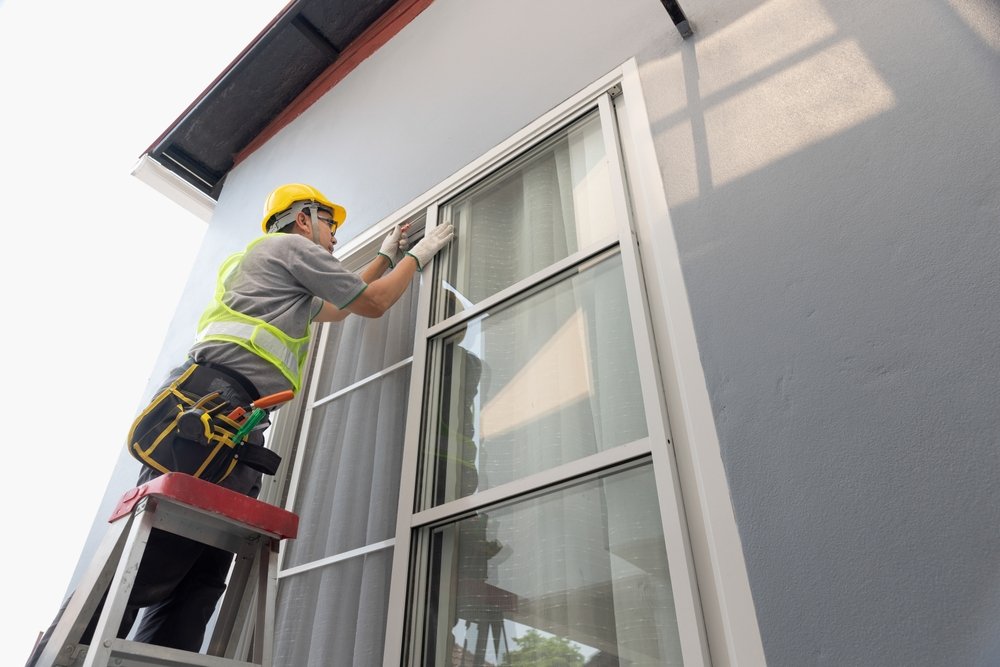
The installation process varies for a Sliding Door Track Systems. The tracks are surface-mounted, or they are built into the floor or ceiling lines for a stealthier look. This kind of installation tends to be trickier, but it’s still common because people who build more modern architectures prefer recessed tracks since they don’t clutter it up and present a tripping hazard.
Make sure you check on space availability, structural and flooring options before choosing a system. Note: This application is suitable for non-commercial use and works well on a small scale, but for greater systems or more complicated systems you are recommended to get professional set up to guarantee correct positioning and long-lasting performance.
Focus on Maintenance and Longevity
Opting for the sliding door tracks which are easy to maintain indicates good health over time and lowers down the cost of repair. Tracks can accumulate dirt, dust and debris along the time, hindering door functionality. Tracks that provide access for easy cleaning and have finishes that resist corrosion will be easier to maintain and have less probability of operational problems.
Performing routine maintenance, like cleaning tracks and lubricating rollers helps keep the system running well into the future. Using the best components from reputable companies also helps avoid navigating repairs or replacements too often.
Match the Design and Style
Sliding door tracks must be well integrated into the design concept of the place. Today, track systems come dressed in a variety of finishes and styles to complement architectural themes. If you go for minimalist concealed tracks, they provide a sleeker look; if exposed in industrial style, these tracks can serve as decorative elements of interior design.
Selecting a design suited to the style of the door and surrounding décor adds visual interest while preserving usability.
Select a Reliable Supplier
You will always be sure of getting quality sliding door tracks and sound professional advice when you work with one that you can trust. Reliable suppliers will help to identify systems that are suitable for your project and provide you with information on how to install and maintain them.
Using right sliding door tracks provide several benefits including improvised functioning, looks and durability of the sliding door systems. By concentrating on matters such as weight capacity, materials, seamless operation, and design principles, owners of property can select track systems able to provide reliable performance ideal for everyday use.