


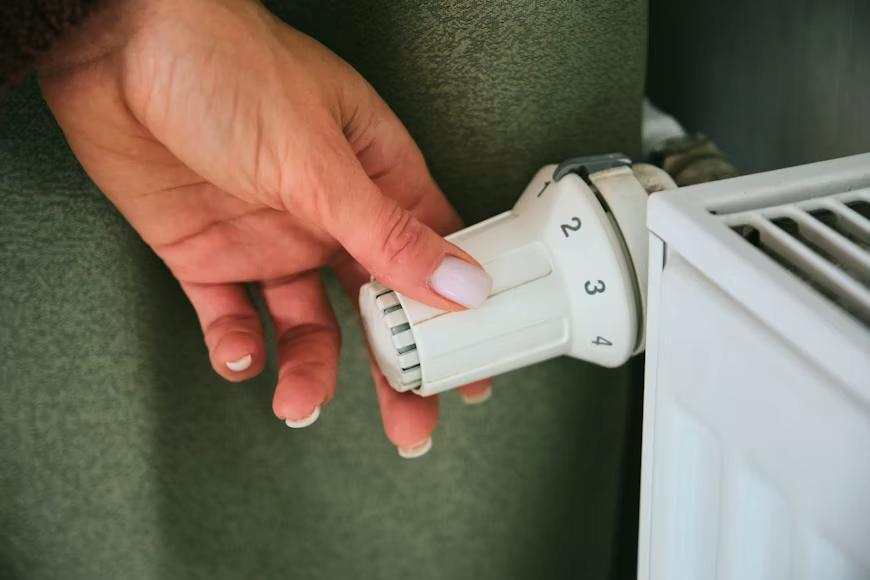
Uneven rooms, slow-warming radiators, and strange pipe noises often indicate that hot water is not moving efficiently through the system. Identifying the cause early can improve comfort, reduce wasted energy, and prevent further strain. Simple checks can reveal whether trapped air, low pressure, restricted valves, or internal build-up is responsible.
A central heating system depends on steady water movement to carry warmth from the boiler to every radiator. When that flow slows, becomes blocked, or reaches some radiators more easily than others, the home may heat unevenly and take longer to feel comfortable. The cause is not always a boiler failure. Trapped air, sludge, low pressure, valve restrictions, poor balancing, or a weakened circulation pump may all interfere with performance. By checking the system in a careful order, homeowners can identify basic faults, complete safe maintenance, and recognise when a qualified heating engineer should investigate a deeper problem without delay.
How Heating Circulation Should Work
In a wet central heating system, the boiler heats water and the circulation pump moves it through pipes to the radiators. Each radiator releases part of that heat into the room before the cooler water returns to the boiler. This closed-loop process should provide a steady and balanced supply of warmth. Poor circulation begins when water cannot move freely, the pressure is inadequate, or one route offers less resistance than another. Even an efficient radiator cannot deliver its expected output when the flow reaching it is weak, interrupted, or unevenly distributed across the system.
Recognise the Early Warning Signs
Circulation faults often develop gradually, so the first signs may appear minor. Some rooms may warm normally while others remain cool. Radiators might take longer to heat, stay cold in certain areas, or produce gurgling, whistling, or banging sounds. The boiler may also cycle more frequently as it struggles to maintain the requested temperature. Pay attention to whether the problem affects one radiator, several radiators, or the whole property. That distinction is valuable because a local fault often involves a valve, air pocket, or blockage, while widespread poor performance may point to pressure or pump issues.
Check the Boiler and Heating Controls
Begin with the simplest checks before touching any radiator. Confirm that the heating is switched on, the programmer is following the correct schedule, and the thermostat is set above the current room temperature. Next, look at the boiler display for warning lights or fault codes. Check the pressure gauge against the range stated in the boiler instructions, because low pressure can prevent hot water from circulating effectively. Do not repeatedly top up a system that keeps losing pressure. A continuing pressure drop may indicate a leak, faulty component, or another problem that needs professional attention.
Feel Each Radiator Carefully
Once the system has been running long enough to warm up, carefully compare the temperature of each radiator. A cold top with a warmer bottom commonly suggests trapped air, because air rises and stops water filling the upper section. A radiator that is hot at the top but cold across the bottom may contain sludge or debris that restricts movement through the lower channels. A completely cold radiator may have a closed valve, stuck thermostatic valve, airlock, or severe blockage. Use caution when touching surfaces, as radiators and connecting pipes can become hot enough to cause discomfort. If one radiator stays completely cold, confirm that its thermostatic and lockshield valves are open before assuming the radiator itself has failed.
Remove Trapped Air Safely
Bleeding can restore circulation when air has collected inside a radiator. Turn the heating off and allow the system to cool before beginning. Place a cloth beneath the bleed point, use the correct radiator key, and open the valve slowly until the hissing stops and water begins to appear. Close it firmly without overtightening. After bleeding one or more radiators, check the boiler pressure because releasing air may reduce it. Follow the boiler manufacturer’s instructions if repressurising is necessary. If air returns frequently, the system may have an underlying fault rather than a one-off maintenance need.
Consider Sludge and Internal Deposits
Rust, corrosion products, dirt, and other debris can collect inside older heating systems. Over time, this material may settle at the bottom of radiators or narrow the internal path through pipes and valves. When heating circulation problems remain after bleeding, sludge may be restricting the system because the issue involves solid deposits rather than trapped air. A professional may recommend cleaning the affected radiator or flushing the system, depending on the extent of the contamination. Chemical inhibitors can help limit future corrosion after the system has been cleaned and refilled correctly. Persistent cold lower sections should not be ignored, as restricted flow can reduce comfort and efficiency.
Assess Whether the System Needs Balancing
A system may have adequate pressure and no obvious blockage yet still distribute heat unevenly. Radiators close to the boiler can receive more flow, leaving distant units slower to warm. Balancing adjusts the lockshield valves so that water is shared more evenly throughout the property. The process requires careful temperature checks and small valve adjustments rather than simply opening every valve fully. Incorrect changes can make performance worse, so householders should proceed cautiously. When several radiators heat at noticeably different rates, professional balancing can improve comfort and help the boiler operate under more stable conditions.
Understand the Role of the Circulation Pump
The pump provides the force needed to move heated water around the system. If it becomes worn, blocked, incorrectly set, or electrically faulty, several radiators may remain cool despite normal boiler operation. Pump problems can also contribute to unusual noises, slow warm-up times, and repeated boiler cycling. This component is not suitable for casual home repair because diagnosis may involve electrical checks, hot water, and sealed-system components. Once simpler causes such as control settings, pressure, trapped air, and valve positions have been ruled out, a qualified heating engineer should inspect pump performance and the wider flow path. Seek professional help if there is leaking water, repeated pressure loss, a boiler fault code, or no improvement after safe basic checks.
Prevent Circulation Problems Returning
Regular maintenance reduces the chance of circulation becoming restricted again. Arrange appropriate boiler servicing, monitor system pressure, and investigate any recurring cold spots or noises promptly. Keep radiator valves accessible and move thermostatic controls occasionally during warmer months so they are less likely to stick. Do not cover radiators with furniture or heavy curtains, as blocked airflow can make a circulation problem appear worse by reducing heat transfer into the room. Where corrosion or sludge has previously been found, ask a qualified professional whether the system water and inhibitor protection should be checked as part of ongoing maintenance.
Conclusion
Poor circulation can make an efficient heating system perform poorly, but a logical inspection often identifies the cause. Start by checking the controls, boiler pressure, radiator temperatures, and any unusual noises to determine whether the issue is isolated or affects the whole system. While bleeding radiators or making simple checks may resolve minor problems, persistent faults, leaks, pressure loss, or suspected pump issues should be assessed by a qualified heating engineer. Identifying heating circulation problems early and maintaining the system regularly helps improve heat distribution, reduce energy waste, and keep your home comfortably warm.