

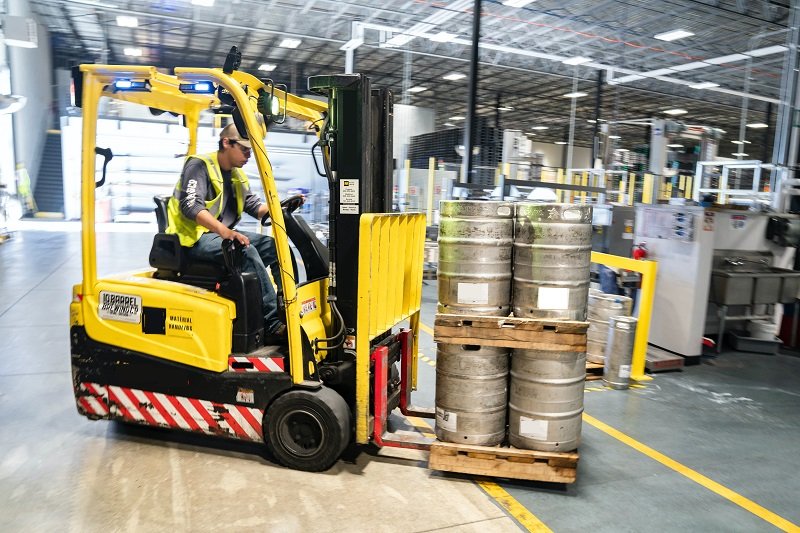
Electric forklifts have become an essential part of warehouses, manufacturing facilities, and distribution centres. Their reliable performance depends on proper maintenance and timely replacement of important components. Ignoring small issues can lead to costly repairs, unexpected downtime, and safety concerns.
Regular inspections help identify wear before it affects daily operations. Understanding electric forklift parts and their maintenance requirements allows businesses to improve equipment reliability while reducing long-term operating costs.
Why Regular Inspection of Electric Forklift Parts Matters
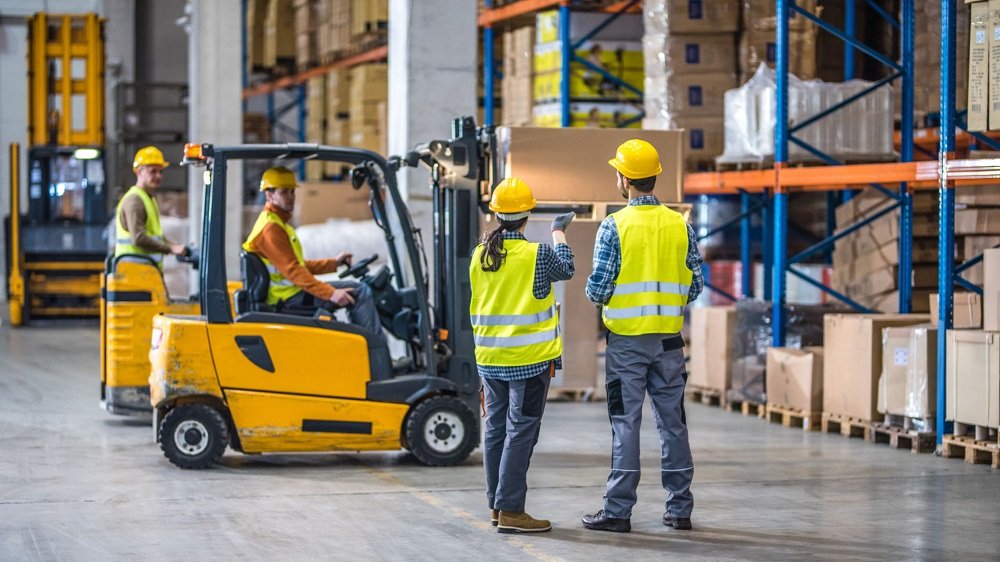
Every forklift contains components that experience continuous stress during lifting, travelling, braking, and steering. Even high-quality machines require routine checks because normal wear is unavoidable. Inspecting electric forklift parts on a scheduled basis helps detect damage early. Minor repairs are usually less expensive than replacing major assemblies after a complete failure. Routine maintenance also improves workplace safety. Faulty components can reduce lifting performance, affect stability, or create hazards for operators and nearby workers. Businesses that follow consistent inspection schedules often experience fewer breakdowns and smoother daily operations.
H2 Understanding the Most Important Electric Forklift Parts
Several components work together to keep an electric forklift operating efficiently. Knowing their function makes it easier to recognise when maintenance is required.
H3 Battery System
The battery powers every electrical function of the forklift. Its condition directly affects productivity, lifting capability, and operating hours. Battery inspections should include checking terminals, cables, connectors, charging levels, and visible damage. Loose connections can reduce efficiency and create unnecessary heat. Proper charging habits also extend battery life. Overcharging and deep discharging may shorten its service period.
H3 Electric Drive Motor
The drive motor moves the forklift across different surfaces. Continuous operation naturally causes wear over time. Routine inspections should look for unusual noises, overheating, loose mounting bolts, and electrical connection problems. Clean cooling passages help maintain proper operating temperatures and improve motor efficiency.
H3 Hydraulic Pump and Motor
Hydraulic systems generate lifting power for the mast and forks. Inspect hydraulic components for oil leaks, unusual sounds, and reduced lifting speed. Replacing worn seals before complete failure prevents contamination and expensive repairs.
H2 Electric Forklift Parts That Experience Frequent Wear
Some components naturally wear faster because they operate during every shift.
H3 Forks
Forks carry heavy loads throughout the day. Regular inspections should identify cracks, bending, uneven wear, or excessive thinning. Damaged forks reduce lifting capacity and increase safety risks.
H3 Lift Chains
Lift chains support the movement of the mast during lifting operations. Inspect for corrosion, stretching, broken links, and insufficient lubrication. Replacing worn chains before failure protects both equipment and operators.
H3 Hydraulic Hoses
Hydraulic hoses transport pressurised fluid throughout the lifting system. Look for leaks, surface cracks, abrasions, swelling, or damaged fittings. Replacing ageing hoses helps prevent sudden hydraulic failures.
H2 Wheels and Tyres Require Continuous Attention
Tyres influence stability, traction, and handling. Flat spots, uneven wear, or damaged surfaces reduce performance and increase operator fatigue. Inspect tyres regularly for cuts, chunking, and excessive wear.
Proper tyre condition also reduces stress on suspension and steering components.
H3 Wheel Bearings
Wheel bearings support smooth rotation. Grinding sounds or excessive movement often indicate bearing wear. Replacing damaged bearings prevents additional drivetrain damage.
H2 Brake Components Should Never Be Ignored
Braking performance directly affects workplace safety. Routine inspections should include brake pads, discs, drums, hydraulic components, and parking brake performance. Worn brake components increase stopping distance and reduce control. Early replacement helps avoid expensive repairs while maintaining safe operation.
H3 Brake Fluid System
Inspect fluid levels and check for leaks. Contaminated fluid may reduce braking efficiency. Following recommended maintenance intervals helps maintain reliable stopping performance.
H2 Steering Components Need Routine Maintenance
Steering systems experience continuous movement throughout every working day. Loose steering reduces operator control and increases component wear. Check steering cylinders, linkages, bearings, and mounting hardware regularly. Proper lubrication extends service life and improves handling.
H3 Steering Sensors
Modern electric forklifts may include electronic steering sensors. Damaged sensors can affect steering response and operational accuracy. Professional testing helps identify electrical faults before they become major issues.
H2 Mast Assembly Requires Detailed Inspection
The mast performs constant lifting and lowering operations. Wear within the mast assembly can reduce lifting precision and overall stability. Inspect rollers, guide rails, lift cylinders, and attachment points regularly.
Cleaning accumulated debris also improves smooth movement.
H3 Mast Rollers
Rollers guide mast movement. Flat spots or excessive wear create uneven lifting. Replacing worn rollers improves stability and reduces additional stress on surrounding components.
H3 Mast Bearings
Bearings allow controlled movement during lifting. Inspect for noise, looseness, and rough operation. Proper lubrication significantly extends bearing life.
H2 Electrical Components Deserve Equal Attention
Electrical systems control nearly every function of modern forklifts. Loose wiring or damaged connectors may cause intermittent faults. Regular inspections reduce unexpected electrical failures.
H3 Wiring Harness
Inspect wiring for damaged insulation, loose clips, and exposed conductors. Replacing damaged wiring prevents short circuits and electrical interruptions.
H3 Connectors and Relays
Moisture, dust, and vibration affect electrical connections. Corroded connectors should be cleaned or replaced immediately. Reliable electrical connections improve overall equipment performance.
H2 Warning Signs That Electric Forklift Parts Need Replacement
Small warning signs often appear before major failures.
Ignoring these symptoms increases repair costs and downtime.
Common indicators include:
- Unusual operating noises
- Slower lifting performance
- Hydraulic oil leaks
- Reduced battery operating time
- Steering stiffness
- Increased vibration
- Frequent electrical faults
Early attention prevents more extensive damage.
H2 Practical Inspection Checklist for Electric Forklift Parts

Following a simple inspection routine improves equipment reliability.
A basic checklist includes:
- Check battery terminals and charging condition.
- Inspect tyres for wear and damage.
- Examine forks for cracks or bending.
- Look for hydraulic leaks.
- Test brakes and steering.
- Verify warning lights function correctly.
- Inspect chains and mast rollers.
Completing these checks before operation supports safer working conditions.
H2 Maintenance Habits That Extend Component Life
Good maintenance practices reduce unnecessary wear.Simple habits often provide significant long-term benefits.
Helpful practices include:
- Keep equipment clean after every shift.
- Follow recommended charging procedures.
- Lubricate moving components regularly.
- Replace worn parts before complete failure.
- Store equipment in clean and dry environments.
- Record inspection findings consistently.
Preventive care reduces unexpected interruptions.
H2 Choosing Quality Replacement Electric Forklift Parts
Replacement components should match the forklift’s specifications. Incorrect parts may reduce performance or create compatibility issues. Review technical specifications carefully before installation.Properly fitted electric forklift parts help maintain lifting capacity, stability, and operational reliability. Professional installation also ensures safe operation after replacement.
H2 Safety Benefits of Replacing Worn Components
Equipment safety depends on every component functioning correctly. Replacing worn parts improves braking, steering, lifting accuracy, and load stability. Reliable equipment protects operators while reducing the likelihood of workplace incidents. Consistent maintenance also supports compliance with workplace safety requirements.
H2 Long Term Value of Preventive Maintenance
Routine maintenance is an investment rather than an expense. Replacing smaller components before major failures reduces repair costs over time. Well-maintained forklifts often provide longer service life and improved operational efficiency. Planned inspections also minimise unexpected downtime during busy work periods.
Conclusion
Understanding the condition of electric forklift parts is essential for maintaining reliable and safe equipment. Regular inspections help identify wear before it becomes a costly problem, while timely replacement keeps forklifts operating smoothly.
From batteries and motors to hydraulic systems, brakes, tyres, and mast components, every part contributes to dependable performance. A consistent maintenance routine improves safety, reduces unexpected breakdowns, and extends equipment life. Investing time in preventive care ensures forklifts remain productive assets for years to come.