

Gold leaf has been used for centuries now, to bring in this kind of elegance, that richness, and overall visual character to art, furniture, those architectural bits, frames, sculptures, and even small decorative objects. And yet over time, those gilded surfaces can start looking dull, worn, cracked, or downright damaged, mostly because of age, handling, environmental stuff, and also cleaning methods that just aren’t suitable. That is why gold leaf restoration is a specialised approach; it lets you revive the surface in a careful way while still keeping the original feel and character of the work.
Whether it’s a historic artwork, or a newer decorative feature, professional restoration really needs patience, precision, and a solid understanding of traditional gilding techniques, not just guessing. When the restoration is done properly and calmly, the piece can look better again while also helping protect its decorative and historical value, which is, honestly, the main point.
What Is Gold Leaf Restoration?
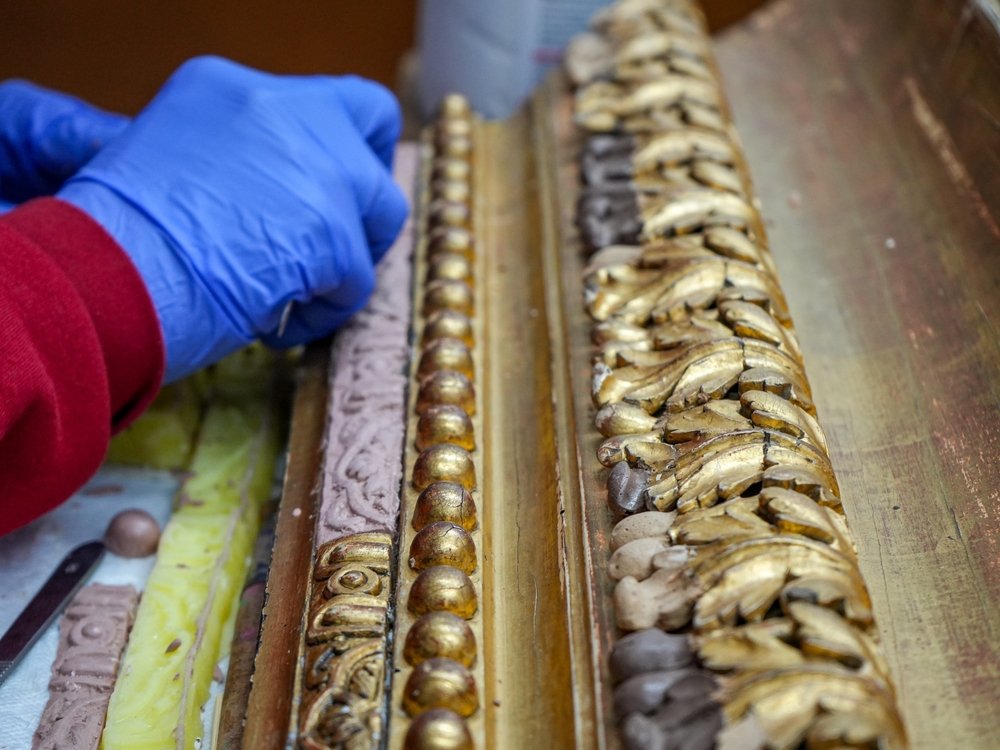
Gold leaf restoration is sort of about the slow repair and conservation of surfaces that are already finished with real or imitation gold leaf. Depending on how that object looks, like if its condition is rough or maybe steady, the restoration process can include cleaning, surface preparation, fixing any damaged areas, adding new gilding again, and then, matching the existing finish very closely.
Preserving Original Character
One of the most important aspects of professional gold leaf restoration is maintaining the character of the original piece. Restoration is not simply about making an object look new. The approach should consider its age, materials, existing finish, and decorative style.
For historic pieces, excessive intervention can potentially remove important original details. Skilled restoration specialists therefore assess the surface carefully before determining the appropriate treatment.
Why Professional Gold Leaf Restoration Matters
Gold leaf can be kind of extremely delicate, especially on older surfaces. If you try to fix, patch, or clean a gilded object without enough knowhow, it may end up making things worse, even if you mean well.
Careful Surface Preparation
Before new gold leaf is put on, the base layer under it might need to be cleaned and repaired a bit. Cracks, chips, small gaps, or places that have started to deteriorate could need careful attention, so you end up with something that’s actually stable to work on.
This prep stage really matters, because any unevenness or defects sitting underneath the gold leaf can shift how the final look turns out. Usually, professional restorers use fitting methods and materials, depending on what that specific piece requires, more or less.
Matching Existing Gilding
A restoration should ideally blend in kind of naturally with the surrounding surface. If there are differences in colour, texture, sheen or how it was applied, the repaired places can end up very noticeable, even when people think they’ve matched everything.
Skilled professionals can look at the existing finish, then choose matching materials and techniques so the result looks harmonious. At the same time, they usually keep some appropriate distinction between what’s original and what’s newly restored when it’s needed.
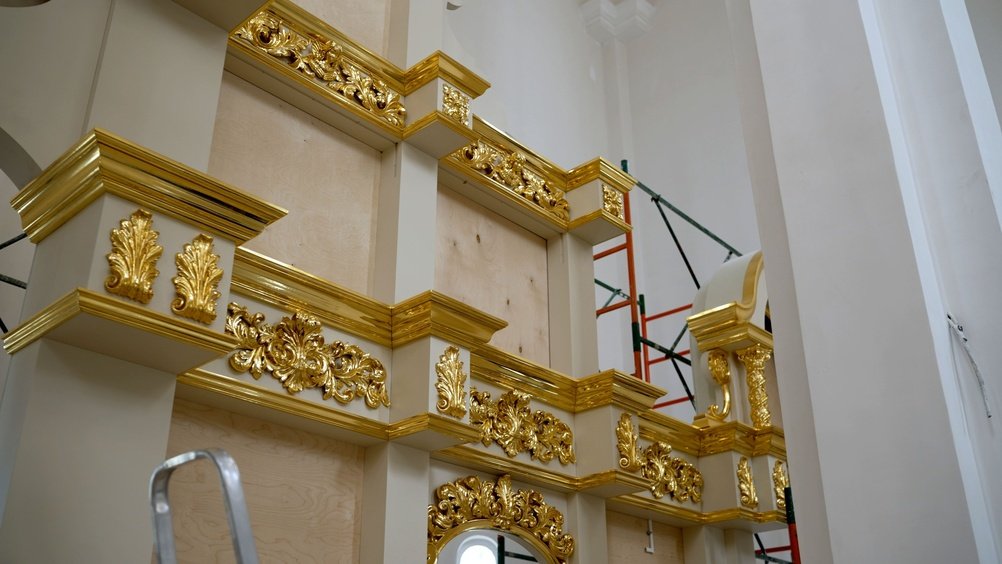
Gold Leaf Restoration for Historic Pieces
Historic frames, furniture, sculptures, religious objects, architectural ornaments, and artworks may contain intricate gilt details that ask for specialist attention.
Protecting Heritage Details
Historic objects can matter a lot artistically, culturally, or architecturally, and you know… they carry this specific weight. When people restore them, it’s supposed to be done in a way that respects the original workmanship and even the materials, not just the look.
Rather than swapping decorative parts out for new ones “just because”, restoration specialists often aim to stabilize weakened or cracked sections first, and then they meticulously re-create the missing or degraded gold leaf. In practice, this kind of method helps keep the objects overall appearance, and it guards the visual coherence, so it still feels like the same piece, you know.
Gold Leaf Restoration for Modern Decorative Pieces
Gold leaf is also kind of widely used in contemporary interiors and decorative artwork, like you know. In a lot of modern spaces, mirrors, furniture, wall features, sculptures, paintings and architectural details can use gilded finishes as well. It’s sort of a flexible, rather timeless covering, even when the look is more updated, less traditional.
Refreshing Contemporary Interiors
A carefully restored gold leaf feature can turn into an appealing focal point, inside a modern interior. Gold finishes can pair well with neutral colors schemes, luxurious materials, contemporary furnishings and even traditional architectural elements, just like that.
Professional gold leaf repair and restoration can help revive worn decorative surfaces without having to replace the entire feature.
The Gold Leaf Restoration Process
The exact restoration process sort of depends on material, age, condition and kind of gilding, more or less. However, a professional project commonly starts with an appraisal of the item first, and then it continues.
Assessment and Cleaning
The surface is carefully examined to spot damage, prior repairs, loose areas, and the actual state of the existing finish. Then cleaning methods are picked out, so that the original gold leaf isn’t disturbed unnecessary. Overall, this is done in a way that stays gentle, and still makes sure everything looks correct, ok.
Repair and Gilding
Damaged areas might be prepped and repaired first, before brand new gold leaf is carefully put in place. After that, the restoration can be further tuned a bit, so the end result looks consistent and visually, appropriate.
Choosing a Gold Leaf Restoration Specialist
When restoring an important decorative or historic piece, you really need experience and that careful attention to detail, because without its things can go a bit off even if the intentions are good. Try to find a specialist with knowledge of gilding methods, restoration materials, careful surface preparation, and also conservation practice s… not just “quick fixes”.
A professional assessment can help as well, it may clarify whether complete restoration is actually needed, or if a localized repair works better, or maybe conservation is the kinder route.
Preserve the Beauty of Gilded Pieces
Gold leaf restoration can help bring back the look of historic plus contemporary decorative items, sort of reviving their whole presence while also respecting the original craftsmanship. Think antique picture frames and furniture but also sculptures and those architectural accents when the gilded surfaces are restored carefully, they keep offering that elegance, and the visual character tends to last for years on end.
When property owners, collectors, or art fans choose an experienced gold leaf restoration specialist and then follow the right conservation methods, they can safeguard the beauty and the one-of-a-kind individuality of their gilded pieces. At the same time, they keep their distinctive character, almost like it was never interrupted, even if it had to be repaired a bit here or there.