


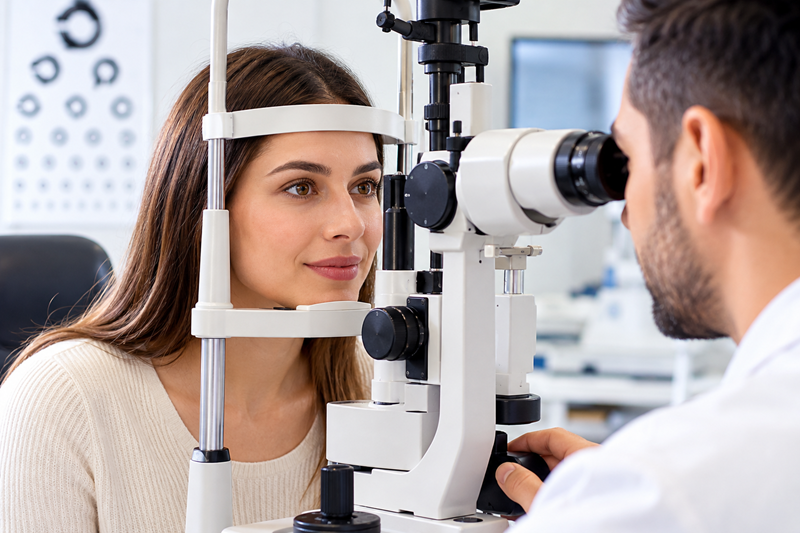
Getting reliable Eye tests In Midland covers everything – from simple vision checks to spotting early glaucoma, cataract or diabetic retinopathy signs – and the clinics blend modern gear with a friendly, no‑nonsense vibe, and the staff are quick.
So, in this guide I’ll walk you through why regular eye tests matter, what the day looks like, how to pick the right optometrist, and extra services that keep your eyes healthy in Midland WA’s hot, dry climate – sound good?
Why Regular Eye Tests Matter in Midland
From what I’ve seen, UV‑related damage tops the eye‑health worries here; bright summer skies and low humidity speed up cataracts and dry‑eye flare‑ups. Eye tests are the only way to catch those problems early, and data says up to 90 % of Australian blindness could be avoided with a quick check. Ever wonder how fast a simple exam can spot trouble?
- UV exposure is highest between 10 am‑3 pm during summer.
- Dust and pollen spikes in autumn increase allergic conjunctivitis.
- High‑myopia rates among teenagers are rising, boosting retinal‑detachment risk.
Honestly, a eye exam in Midland works like a health check for the whole body, and regular eye tests are often recommended alongside it. Want a quick check? And a glaucoma screen in WA often spots pressure shifts that hint at heart trouble. But retinal photos can catch early diabetic retinopathy, nudging you to see a GP before sugar spikes run wild.
What to Expect on the Day of Your Eye Test

And the whole thing runs in roughly 45 minutes, during which comprehensive eye tests are performed efficiently to keep pain to a minimum. First, you’ll tick off a quick health questionnaire. Then the optometrist checks your visual acuity on a Snellen chart, and an autorefractor takes a measurement. Sound good?
- Visual acuity, standard 6 metre chart.
- And autorefractor, fast electronic refraction.
- Pupil test, checks eye reaction to light.
- Intra‑ocular pressure, gentle air‑puff or tonometry.
- Slit‑lamp exam, shows cornea, lens and front eye.
- Retinal photography snaps the back of the eye.
And if they need to dilate, the doc drops a solution that expands the pupil for roughly 20 minutes, a step that forms part of the broader eye tests protocol. Bring sunglasses. And plan a light‑workday after, no driving if it’s blurry. The dilation isn’t painful, yet you’ll be light‑sensitive for a few hours. Ready for it?
Preparation Checklist
Here’s a quick checklist to make the day run smoothly and to ensure you’re prepared for the eye tests ahead:
- Grab your Medicare card and any private health‑fund details.
- And take out your contacts at least a day before the appointment.
- Jot down any meds you’re on, especially eye‑drops.
- Dress comfy; you’ll probably be sitting a while.
- Plan a quick break after dilation, need a coffee? Grab one nearby.
Choosing the Right Optometrist in Midland
When you’re looking for an optometrist near Midland, the key is to check qualifications and equipment, and to verify they offer thorough eye tests as part of their service. Most reputable clinics have at least one practitioner with a Master of Optometry and a registered Australian Health Practitioner Regulation Agency (AHPRA) number.
- And look for clinics that own an OCT scanner; it shows a cross‑sectional view of the retina.
- But ask if they’ve got a keratometry for spot‑on corneal curvature measurements.
- So confirm they do glaucoma screening WA as part of the routine exam.
And I’ve found the top spots actually explain every test, emphasize the importance of regular eye tests for early detection, answer whatever you ask, then hand you a written report for you. That openness builds trust, especially when you’re trying to get the right glasses or contacts prescription.
Comparing Service Levels
Not every eye test is the same. Here’s a brief comparison to help you decide what you need:
- Basic vision check, just visual acuity and refraction; perfect if you’re updating glasses. Quick, easy.
- Complete eye exam adds pupil test, pressure check, slit‑lamp, retinal photos; but it’s ideal for anyone over 40 or with risk factors. Need it?
- Specialist ophthalmology assessment includes OCT imaging and laser‑planning; and it’s required when a conditions already diagnosed.
Specialized Services: Children, Digital Strain, and Contact Lenses
Midland kids need a different plan. A paediatric eye test checks colour vision, a cover‑test for strabismus and binocular sight in one quick go, and routine eye tests are scheduled annually to monitor development. And the optometrist throws in game‑like charts, so they stay interested. Usually, they’ll set the next appointment for a year later unless something pops up. So, ready for the next check?
- Screen for amblyopia (lazy eye) before age 7.
- Check for convergence insufficiency if the child reports headaches after reading.
- Discuss proper screen distance, at least 40 cm for tablets.
And if you’re dealing with digital eye strain, a few Midland clinics now have a dry‑eye check‑up and can write you anti‑fatigue lenses. They’ll run a contrast‑sensitivity test and look at your meibomian glands, tweaking the plan for our dry, low‑humidity climate.
Contact Lens Fitting Midland
Midland’s lens fitting goes through three steps. First, you try trial lenses. Then, after a day, a slit‑lamp check confirms fit. Finally, we use corneal topography to write the prescription. And we make sure the lenses won’t dry out your eyes in the summer heat.
Emerging Options: Tele‑Optometry and AI‑Assisted Screening
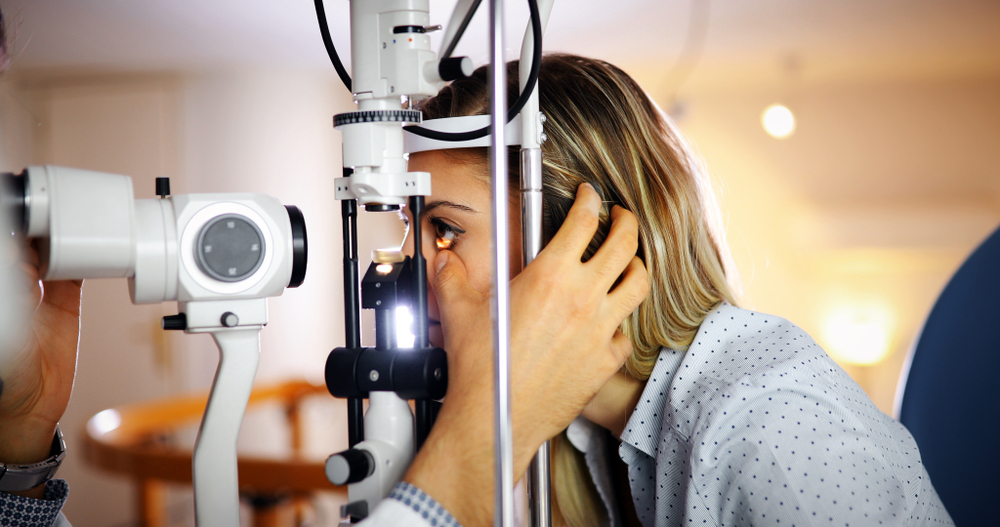
In 2026 tele‑optometry’s finally mainstream in Western Australia. Want to start an eye test? Many tele‑optometry platforms also schedule follow‑up eye tests after the initial assessment. Just fill a short questionnaire, snap a photo of your eye, and a virtual consult will tell you whether you need to swing by a clinic. And it’s a lifesaver for juggling parents or remote workers who can’t fit a visit into office hours.
- AI‑helped retinal snaps can spot early macular degeneration with 92 % spot.
- Virtual refraction tools spit out a rough prescription, but you still need a full eye test for glasses.
- Most tele‑optometry services hook into Medicare rebates for that first consult.
But remember, nothing replaces a hands‑on slit‑lamp exam. If you have a history of glaucoma or diabetes, you’ll still need a full eye test at a physical clinic to get accurate intra‑ocular pressure readings.
Managing Follow‑Up Care and When to Return
After any eye test, the optometrist will give you a written summary and a timeline for follow‑up, and the results are recorded alongside your previous eye tests for longitudinal tracking. If you’ve been prescribed new glasses, you’ll usually have a 2‑week check‑in to confirm the fit and vision clarity.
- And don’t drive for least two hours after dilation.
- But use the drops as directed, miss one and the pressure reading will be off.
- So, if you’re over 40, repeat the eye test every two years; if you have diabetes or high myopia or a glaucoma family history, go yearly.
And if you miss an eye test, call the clinic ASAP, explain why, and grab the next open slot. But when floaters, flashes or a quick vision shift pop up, treat it as an emergency and get an eye test right away instead of waiting for a routine visit today.
Conclusion
Regular eye tests in Midland catch vision problems early, guard against UV damage and flag systemic health issues before they get serious, making them essential for long‑term eye health. Knowing what each exam step does, getting ready for dilation, and picking a qualified optometrist with modern gear gives you the most accurate screening. And you’ll stay on top of your eye health, schedule the next test on time, and maintain a routine of regular eye tests to keep your vision optimal. Hot weather or a jam‑packed calendar? Don’t let them blur your sight.