


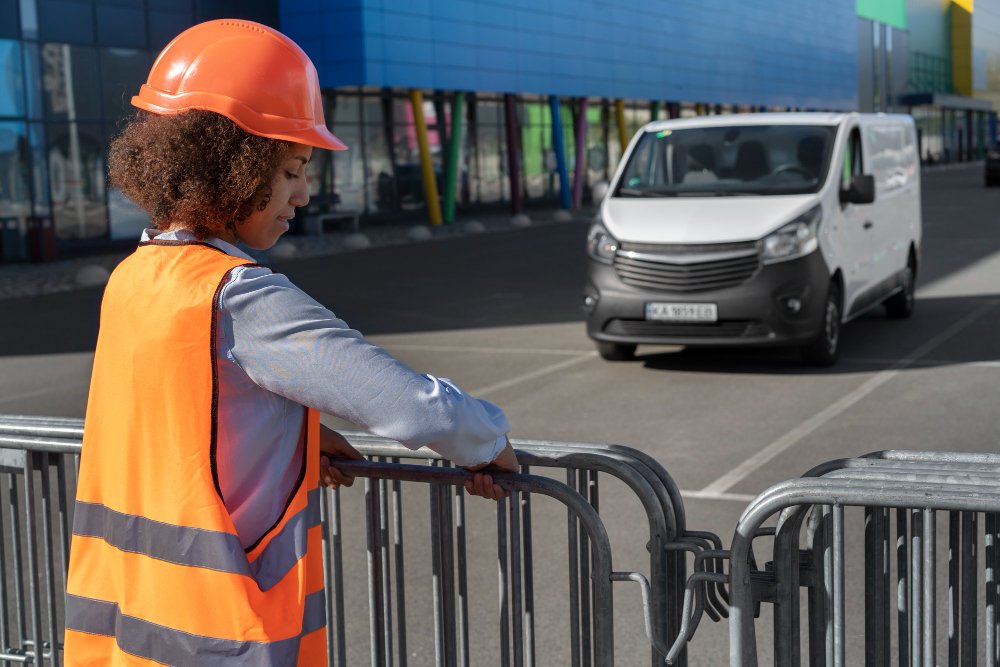
Ever walked through a warehouse and wondered what’s stopping a forklift from ploughing into a stack of expensive equipment? Or perhaps you’ve thought about what keeps pedestrians safe in busy loading docks? Getting your safety barrier choice right isn’t just about ticking a compliance box it’s about protecting your people, your assets, and ultimately, your business.
Safety barriers are physical structures designed to separate hazards from workers, equipment, and pedestrians. You’ll find them everywhere from manufacturing plants and distribution centres to car parks and retail spaces. They come in various forms, including guardrails, bollards, handrails, and flexible polymer systems. Each type serves a specific purpose, whether that’s preventing vehicle impacts, guiding foot traffic, or protecting machinery.
In this guide, we’ll walk you through five essential tips for selecting the right safety barriers for your workplace. You’ll learn how to identify your specific hazards, understand environmental factors, evaluate materials and durability, navigate Australian compliance requirements, and calculate the true cost of your investment. Plus, we’ve thrown in some bonus considerations and common pitfalls to avoid. Let’s get stuck into it.
Understand Your Specific Workplace Hazards
Identifying High-Risk Areas in Your Facility
Before you start browsing safety barrier catalogues, take a proper look at your workplace. Where are the danger zones? High-risk areas typically include forklift traffic routes, pedestrian crossings, machinery zones, loading docks, and storage areas with heavy racking.
Walk through your facility with fresh eyes. Watch how people move, where vehicles travel, and what happens during busy periods. You might spot hazards you’ve become blind to over time. Getting input from floor staff is invaluable here they know the near-misses that never make it into incident reports.
What Types of Safety Barriers Are Available?
The safety barrier market offers plenty of options. Steel guardrails provide heavy-duty protection against vehicle impacts. Polymer barriers absorb energy and flex on impact, reducing damage to both the barrier and the vehicle. Bollards protect specific points like doorways and equipment. Handrails guide pedestrians and prevent falls.
Each type has its strengths. Steel barriers are incredibly strong but can cause vehicle damage on impact. Polymer systems are more forgiving and often require less maintenance. Concrete barriers offer permanent, immovable protection for the most critical areas.
Matching Barrier Types to Your Industry Needs
Your industry significantly influences your barrier requirements. A food processing plant needs barriers that withstand regular washdowns and meet hygiene standards. A chemical facility requires barriers resistant to corrosive substances. A busy distribution centre prioritises impact resistance and quick installation.
Consider your specific operational demands. How fast do vehicles travel? What’s the weight of your heaviest forklift? Are there temperature extremes or chemical exposures? Matching your barriers to these real-world conditions makes all the difference.
Consider the Environment and Conditions
Indoor vs Outdoor Safety Barriers: What’s the Difference?
Indoor barriers generally face fewer environmental challenges than their outdoor counterparts. However, they still need to handle impacts, cleaning chemicals, and sometimes temperature variations in refrigerated facilities.
Outdoor barriers must withstand rain, UV exposure, temperature fluctuations, and potentially corrosive conditions. Galvanised steel or marine-grade materials become essential for coastal locations. Powder-coated finishes help maintain visibility and resist weathering.
How Do Weather Conditions Affect Safety Barrier Performance?
Australian weather throws everything at outdoor infrastructure. Intense UV radiation degrades plastic components and fades paint. Heavy rain tests drainage and corrosion resistance. Extreme heat can affect the flexibility of polymer barriers.
Choose barriers specifically rated for Australian conditions. Look for UV-stabilised materials and corrosion-resistant coatings. In regions with extreme temperatures, check how materials perform across the full range some polymers become brittle in cold conditions or too soft in extreme heat.
Chemical Exposure and Temperature Extremes
If your facility involves chemicals, acids, or solvents, standard barriers might not cut it. Chemical-resistant coatings or specialised polymer materials are essential. Similarly, food processing environments with regular steam cleaning or caustic washdowns need barriers that won’t degrade.
Temperature extremes affect material properties. Steel contracts and expands with temperature changes, potentially affecting fixings. Some polymer systems are specifically engineered for freezer environments or hot manufacturing areas.
Evaluate Durability and Material Quality
Steel, Polymer, or Concrete: Which Material Is Best for Safety Barriers?
There’s no single “best” material it depends on your application. Steel barriers offer exceptional strength and longevity, making them ideal for high-impact zones. They’re recyclable and relatively cost-effective for permanent installations.
Polymer barriers have gained popularity because they absorb impact energy, reducing damage to vehicles and the barriers themselves. They typically require less maintenance and can be easier to install. Concrete barriers provide the ultimate in immovable protection but lack flexibility for changing layouts.
How Long Do Safety Barriers Last?
Quality steel barriers with proper coatings can last 15-20 years or more with minimal maintenance. Polymer barriers typically offer 10-15 years of service, depending on impact frequency and environmental conditions.
The key factor is maintenance. Regular inspections, prompt repairs, and proper cleaning extend barrier life significantly. Cheap barriers that need replacing every few years cost more long-term than quality systems with proper upkeep.
Understanding Impact Ratings and Load Capacities
Not all barriers handle impacts equally. Impact ratings indicate how much force a barrier can absorb or deflect. This matters enormously a barrier rated for pedestrian protection won’t stop a 3-tonne forklift travelling at speed.
Check the specifications carefully. Look for independent testing certifications and clear impact ratings. Match these to your heaviest vehicles and typical operating speeds. Building in a safety margin is wise unexpected impacts happen.
Ensure Compliance with Australian Safety Standards
What Australian Standards Apply to Safety Barriers?
Several Australian Standards govern safety barriers, depending on their application. AS 4024.1 covers safeguarding of machinery. AS/NZS 4994 addresses fixed platforms, walkways, and stairways. AS 1657 covers fixed platforms, walkways, stairways, and ladders in industrial settings.
For traffic management barriers, relevant standards include those governing road safety barriers and pedestrian protection. Your specific industry may have additional requirements through sector-specific regulations.
Are Safety Barriers a Legal Requirement in the Workplace?
Under Australian Work Health and Safety legislation, employers must eliminate or minimise risks to workers. Where vehicle and pedestrian interactions occur, physical barriers are often the most effective control measure.
While specific barrier requirements vary by situation, failing to provide adequate protection where hazards exist creates legal liability. Workplace incidents involving inadequate barriers can result in significant penalties and prosecution.
How to Choose Compliant Barriers for Your Industry
Start by identifying which standards apply to your situation. Consult with your state’s workplace safety regulator if you’re uncertain. Request compliance documentation from barrier suppliers reputable manufacturers provide test certificates and compliance statements.
Consider engaging a workplace safety consultant for complex installations. They can conduct risk assessments and specify appropriate barrier systems. This documentation also demonstrates due diligence should any incidents occur.
Think About Installation, Maintenance, and Total Cost
Do Safety Barriers Require Professional Installation?
Some barrier systems are designed for simple installation by your maintenance team. Others require professional fitting, especially those needing concrete anchoring or precise positioning.
Professional installation makes sense for critical safety applications. Improper installation can compromise barrier performance when it matters most. Many suppliers offer installation services or can recommend qualified contractors.
Ongoing Maintenance: What Should You Expect?
All barriers need regular inspection monthly visual checks and detailed quarterly inspections are typical. Steel barriers may require repainting and rust treatment. Polymer barriers need checking for cracks or UV degradation.
Build maintenance costs into your budgeting. A well-maintained barrier system costs less over its lifetime than one that’s neglected and needs premature replacement.
Bonus Considerations When Choosing Safety Barriers
Visibility and Colour Coding for Maximum Effectiveness
Bright safety colours yellow, orange, red make barriers visible and communicate hazard levels. Consider reflective strips for low-light areas. Consistent colour coding across your facility helps workers instantly understand different zone types.
Can Safety Barriers Be Customised for Specific Applications?
Many manufacturers offer customisation options including specific lengths, heights, colours, and configurations. Custom solutions cost more but can address unique layout challenges effectively.
Flexible vs Fixed Barriers: Which Is Right for You?
Fixed barriers suit permanent hazards and high-impact zones. Flexible or removable barriers work well where layouts change frequently or access requirements vary. Many facilities use a combination of both.
Common Mistakes to Avoid When Buying Safety Barriers
Prioritising Price Over Quality
Cheap barriers fail when you need them most. A barrier that collapses on first impact provides zero protection and creates a false sense of security. Invest in quality systems from reputable suppliers.
Ignoring Future Expansion Needs
Choose modular systems that can grow with your facility. Barriers that can be extended, reconfigured, or relocated provide better long-term value than fixed solutions that become obsolete when your operations change.
Making a Confident, Informed Decision
Choosing the right safety barriers comes down to understanding your specific risks, matching solutions to your environment, and investing in quality that lasts. Don’t rush this decision take time to assess your hazards, compare options, and verify compliance requirements.
Remember that the cheapest option rarely delivers the best value. Consider total cost of ownership including installation, maintenance, and potential replacement. Quality barriers protect your people and assets for years, making them a smart investment rather than just an expense.
You’ve now got the knowledge to make an informed choice. Whether you’re protecting a small workshop or a major distribution centre, these principles apply. Take that next step conduct your risk assessment, talk to reputable suppliers, and create a safer workplace for everyone. Your team deserves nothing less.