



Missing teeth can affect more than the appearance of a smile. They may also make chewing difficult, influence speech and change the way surrounding teeth function. Modern dentistry offers several tooth replacement options, with dental implants providing a long-term solution for many suitable patients. Designed to replace missing tooth roots, dental implants can support individual crowns, bridges and full-arch restorations.
With advances in dental technology and treatment planning, implant dentistry has become an important option for people seeking functional and natural-looking tooth replacement. Understanding the procedure, benefits and available treatment options can help patients make informed decisions about restoring their smiles.
Understanding Dental Implants as a Tooth Replacement Solution
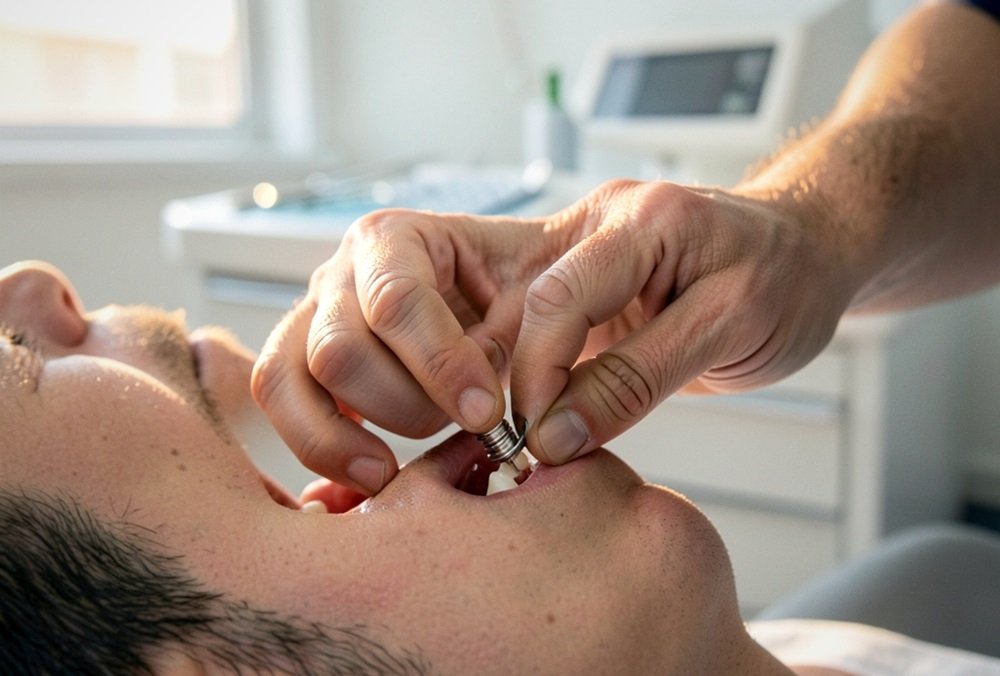
A dental implant is a small post, commonly made from titanium or another suitable biocompatible material, that is placed into the jawbone to act as an artificial tooth root. Once the implant integrates with the surrounding bone, it can support a replacement tooth. The complete restoration generally includes three components: the implant fixture, an abutment and the visible crown or prosthesis.
How Dental Implants Work
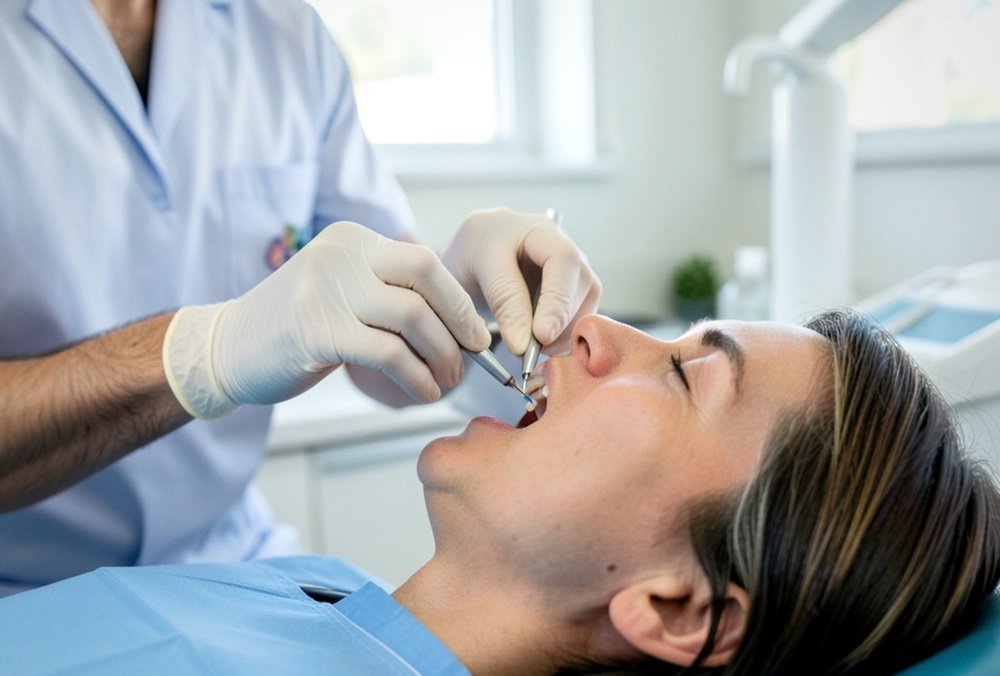
Dental implant treatment usually involves several stages. First, the dentist or implant specialist assesses the patient’s oral health, gum condition and jawbone structure. If the patient is suitable, the implant is placed into the jawbone through a planned surgical procedure. A healing period follows, allowing osseointegration, where the bone bonds with the implant surface. After healing, the replacement restoration is attached. Treatment timelines vary depending on individual circumstances, healing and whether additional procedures are required.
Different Types of Dental Implant Treatments
Dental implants can be used in several ways depending on how many teeth are missing and the patient’s oral health requirements.
Single Tooth Dental Implants
A single dental implant can replace one missing tooth without relying on neighbouring natural teeth for support. Once the implant has healed, a custom-made crown is attached to restore the visible part of the tooth. This approach may be suitable for patients who have lost an individual tooth due to injury, decay or other dental conditions.
Implant-Supported Dental Bridges
When several adjacent teeth are missing, an implant-supported bridge may be considered. Instead of using natural teeth as supports, the bridge is attached to strategically placed implants. The number of implants required depends on the size of the restoration, jawbone condition and treatment plan.
Full-Arch Dental Implants
Patients who have lost most or all teeth in an upper or lower arch may be suitable for full-arch implant-supported restorations. These treatments use multiple implants to support a fixed or removable prosthesis, depending on the selected system and individual requirements. A comprehensive assessment is necessary to determine suitability.
Benefits of Choosing Dental Implants
Dental implants offer several potential advantages for appropriately selected patients. Their suitability and expected outcomes depend on oral health, treatment planning and ongoing maintenance.
Natural Appearance and Function
Implant-supported crowns and bridges are designed to resemble natural teeth. Their appearance can be customised to complement the patient’s smile, while their fixed support can provide functional stability. Patients may find that implant restorations allow them to eat and speak more comfortably than certain removable alternatives.
Support for Jawbone Health
Following tooth loss, the jawbone in the affected area may gradually change because it no longer receives stimulation from the missing tooth root. Dental implants transfer functional forces to the surrounding bone and may help reduce bone loss in the implant area. However, individual outcomes depend on several clinical factors.
No Need to Prepare Adjacent Teeth for a Single Implant
Unlike a conventional tooth-supported bridge, a single dental implant generally does not require neighbouring healthy teeth to be reshaped for support. This can help preserve the natural structure of adjacent teeth.
Who Is Suitable for Dental Implant Treatment?
Not everyone is automatically suitable for dental implants. A dentist must assess several factors before recommending treatment.
Oral Health and Gum Condition
Healthy gums are important for successful implant treatment. Existing gum disease may need to be managed before implant placement. Patients should also maintain regular dental check-ups and good oral hygiene to reduce the risk of complications.
Jawbone Quality and Quantity
Adequate jawbone support is required to place an implant securely. If bone volume is insufficient, a dentist may discuss additional procedures, such as bone grafting, where appropriate.
General Health and Lifestyle Factors
Medical history, certain medications, smoking and other lifestyle factors can influence healing and treatment outcomes. Patients should provide their dental team with accurate health information before beginning treatment.
The Importance of Professional Implant Planning
Successful implant treatment involves careful assessment, precise placement and suitable restoration design. Dental professionals may use digital imaging, scans and clinical examinations to evaluate the treatment area.
Personalised Treatment Planning
Every patient has different dental needs. A personalised plan considers the number of missing teeth, bone structure, bite alignment, aesthetic preferences and budget. The dentist should explain the proposed procedure, possible risks, expected timeline and alternative tooth replacement options.
Aftercare and Long-Term Maintenance
Dental implants require ongoing care, just like natural teeth. Patients should brush twice daily, clean around implant restorations and attend recommended professional reviews. Avoiding smoking and following the dental team’s maintenance advice can also help support long-term implant health.
Conclusion
Dental implants provide an advanced option for replacing missing teeth and restoring everyday oral function. From single-tooth restorations to implant-supported bridges and full-arch solutions, different treatments can address a variety of tooth replacement needs.
Choosing dental implants begins with a professional assessment and a personalised treatment plan. By understanding the available options, maintaining good oral hygiene and following professional advice, patients can make informed decisions about restoring their smiles and supporting long-term oral health.