


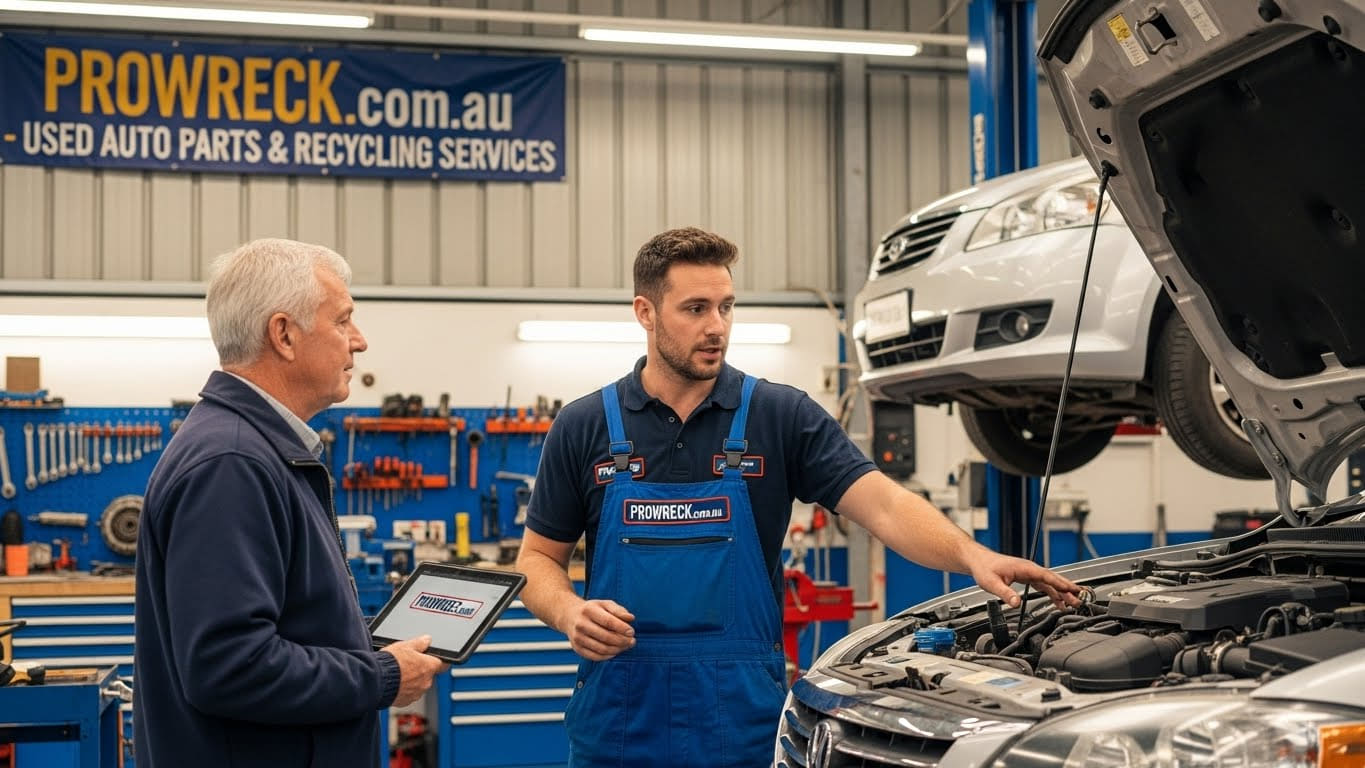
There is a sinking feeling every driver knows. You are driving along the highway or simply heading to the shops when a warning light flickers on the dashboard, or worse, you hear a loud clunk. Your vehicle is broken. For many Australians, a car is not a luxury; it is an absolute necessity for getting to work, dropping the kids at school, and managing daily life. When that vehicle is off the road, the clock starts ticking, and the stress begins to mount.
The traditional reaction is to take the car to a dealership or a mechanic and wait for new components to be ordered. This often results in a shocking bill and a long wait time as parts are shipped from overseas warehouses. However, there is a smarter, faster, and more economical alternative. Turning to used auto parts is becoming the preferred method for savvy car owners who want to get back behind the wheel without emptying their bank accounts.
The market for recycled vehicle components has evolved significantly. It is no longer about digging through a messy scrap heap. It is a sophisticated industry that provides quality, tested components that match the original specifications of your vehicle.
Why Australians Are Switching to Recycled Components
The cost of living in Australia is a topic on everyone’s mind. From groceries to fuel, prices are climbing. Vehicle maintenance is no exception. New car parts, particularly from dealerships, carry a premium price tag. By choosing used auto parts, you can often secure the exact item you need for a fraction of the price of a brand-new unit.
Beyond the financial savings, availability is a massive factor. Global supply chains have been volatile in recent years. Ordering a new headlight or a specific control module from a manufacturer can sometimes take weeks or even months if the stock is not in the country. In contrast, a local wrecker or auto recycler likely has that specific model sitting in their yard right now. The part is already in Australia, ready to be removed and installed. This immediacy is what makes second-hand parts the fastest solution for urgent repairs.
OEM Quality vs. Aftermarket Uncertainty
One of the strongest arguments for buying used is the quality of the materials. When you buy a part from a wrecker, you are typically buying an Original Equipment Manufacturer (OEM) part. This means the part was made by the company that built your car. It was designed specifically for your make and model, fitting perfectly into place.
Compare this to buying “new” aftermarket parts. Often, to save money, people buy cheap reproductions made by third-party companies. These parts might look similar, but they often lack the precise engineering of the original. A bumper might not line up with the fender correctly, or an alternator might not last as long as the factory unit.
When you purchase used auto parts from a reputable source, you are getting genuine factory equipment. Even though it has been used, a genuine Toyota or Ford part is often superior in quality and fitment to a brand-new generic copy.
The Environmental Benefit of the Circular Economy
Australia is a country that prides itself on its natural beauty, and automotive recycling plays a huge role in preserving it. Every time a new car part is manufactured, raw materials must be mined, refined, and processed. This consumes massive amounts of energy and water.
By opting for used auto parts, you are participating in the circular economy. You are extending the life of materials that have already been produced. It prevents perfectly good steel, plastic, and glass from ending up in a landfill. A car that has been written off due to rear-end damage still has a perfectly good engine, gearbox, and front panels. discarding these functional items is wasteful. Using them to repair another vehicle is one of the most eco-friendly choices a consumer can make.
Navigating the Search: How to Find the Right Part
Finding the correct component requires a little bit of preparation. The days of walking into a yard and pointing at a car are fading. Modern auto dismantlers use computerized inventory systems. To ensure you get the right used auto parts, you should have your Vehicle Identification Number (VIN) handy. This code, usually found on your registration papers or the bottom of the windscreen, tells the recycler exactly what features your car has.
Utilizing Professional Dismantlers
While you can find parts on social media marketplaces, dealing with professional wreckers like Pro Wreck offers security. A professional business tests the parts before selling them. They check if the engine runs smoothly, if the transmission shifts gears correctly, and if the electrical components are functioning. Buying from a private seller in a driveway offers no such assurance.
The Importance of Paint Codes
If you are looking for exterior body parts like a door, bonnet, or fender, knowing your paint code is a game changer. If you can find a used panel in the exact same colour as your vehicle, you save hundreds of dollars on painting costs. You can simply bolt the new panel on, and it matches the rest of the car instantly.
What to Buy Used and What to Buy New
While the range of used auto parts is vast, there are some items you should always buy new for safety and maintenance reasons. It is important to know the difference.
Great to Buy Used:
- Body Panels: Doors, bonnets, boot lids, and bumpers are perfect candidates.
- Interior Trim: Seats, dashboards, door cards, and buttons.
- Glass: Windows and mirrors are expensive to buy new but affordable second-hand.
- Lights:Headlights and taillights, provided they are not cracked.
- Engines and Transmissions: These are the most expensive parts of a car. buying a low-kilometer used unit is a standard repair method.
- Alloy Wheels: A great way to replace a damaged rim or upgrade the look of your car.
Better to Buy New:
- Consumables: never buy used oil filters, air filters, or spark plugs.
- Brake Pads and Rotors: These are wear items and critical for safety.
- Wiper Blades: Rubber degrades over time.
- Gaskets and Seals: These should always be replaced with new items during a repair to prevent leaks.
Understanding Warranties and Guarantees
A common misconception is that buying second-hand means buying “as is” with no comeback if the part fails. This might be true for private sales, but established businesses operate differently.
reputable Australian auto recyclers offer warranties on their used auto parts. This usually covers a specific period, giving you peace of mind that the engine will run or the alternator will charge. When you purchase from a provider like Pro Wreck, you are dealing with a business that values its reputation. If a part is faulty, they will generally swap it for another one or offer a refund. Always ask about the warranty terms before you hand over your money. This protection is what separates professional dismantlers from the rest of the market.
The Role of Auto Wreckers in the Community
Auto wreckers serve a vital function in the Australian automotive landscape. They act as the hub for vehicle recycling. When a car reaches the end of its life, the wrecker breaks it down. Hazardous fluids are drained and disposed of safely, preventing environmental contamination. The metal is sent for scrap recycling, and the good parts are shelved for resale.
For owners of older vehicles, wreckers are a lifeline. Manufacturers often stop making parts for cars once they are over ten years old. Without the inventory held by wreckers, keeping classic cars or older daily drivers on the road would be nearly impossible. They ensure that we can keep our trusty vehicles running longer, delaying the need to buy a new car.

Questions and Answers: Common Questions About used auto parts in Australia
Q: Will used parts void my car insurance or warranty?
In most cases, using recycled parts on an older vehicle will not affect your insurance. Insurance companies often authorize the use of used auto parts for repairs on older cars to keep the costs down and prevent the car from being a “total loss.” However, if your car is brand new and still under the manufacturer’s warranty, you should check with the dealer. For statutory warranties on used cars, recycled parts are generally acceptable provided they are fit for purpose.
Q: How do I know if the part will fit my car?
The most reliable way is to match the part numbers. Most components have a manufacturer number stamped or printed on them. If you provide this number to the wrecker, they can guarantee a match. Alternatively, providing your VIN allows the team to cross-reference their database to ensure compatibility.
Q: Are used airbags safe to install?
This is a complex area. In Australia, there are strict regulations regarding the sale and installation of second-hand safety equipment. While some wreckers may sell undeployed airbags, many mechanics refuse to install used safety restraint systems due to liability risks. It is generally recommended to prioritize safety and consult with a certified professional before considering used safety components.
Q: Can I return a part if it doesn’t work?
If you purchase from a legitimate business, yes. Australian Consumer Law provides protections. If a part is sold as “working” and it is faulty, you are entitled to a remedy. Most professional yards have a clear return policy for defective items. However, if you simply changed your mind or bought the wrong part because you guessed, they may charge a restocking fee or offer store credit instead.
Q: Do wreckers install the parts they sell?
Most auto wreckers and recyclers focus on the dismantling and sales side of the business. They usually do not have mechanics on-site to fit the parts for you. However, they almost always have a network of local mechanics they recommend. You can purchase the used auto parts you need and take them to your preferred local workshop for installation.
Conclusion: Your Path to a Successful used auto parts in Australia
Keeping a vehicle on the road in Australia does not have to be a financial burden. The stigma once associated with second-hand components has vanished, replaced by a recognition of their value, quality, and environmental benefits. Whether you are driving a sturdy work ute, a family SUV, or a commuter hatchback, the parts you need are likely waiting for you at a local dismantler.