


The pharmaceutical industry operates under some of the strictest quality and safety standards in the world. Medicines, vaccines, and biological products are highly sensitive to temperature variations, and even minor deviations can compromise their effectiveness. This is why temperature mapping services play a vital role in pharmaceutical manufacturing, storage, and distribution. By identifying temperature fluctuations and validating controlled environments, these services help pharma companies protect product integrity and meet global regulatory expectations.
Protecting Drug Quality and Patient Safety
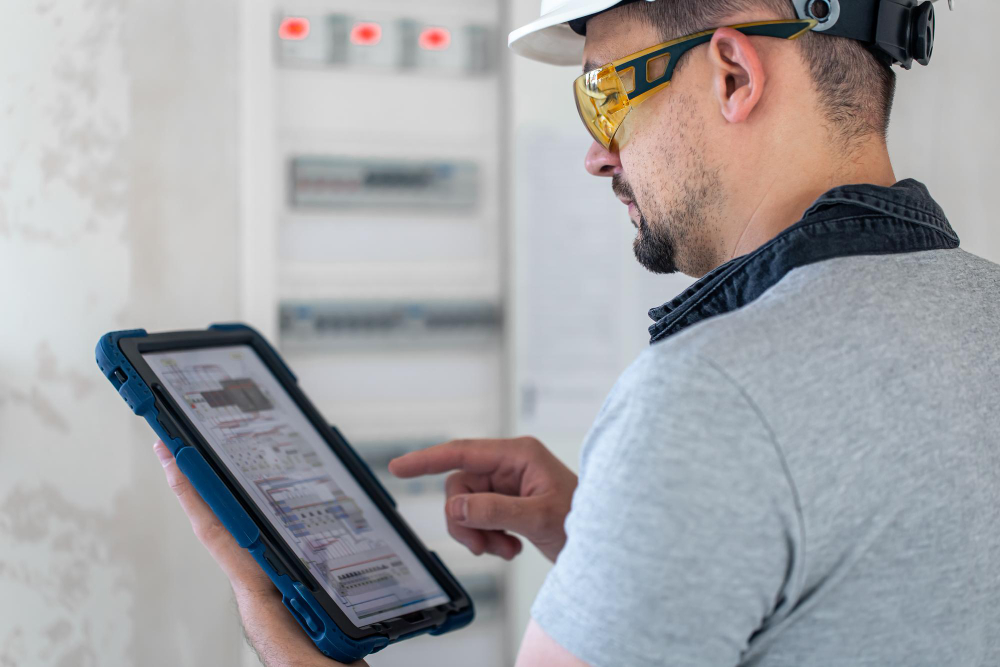
Pharmaceutical products are designed to work within specific temperature ranges. Exposure to temperatures outside these limits can reduce potency, alter chemical composition, or render products unsafe for use. Temperature mapping services help identify hot spots and cold spots within storage areas such as warehouses, cold rooms, and stability chambers. By understanding these variations, pharmaceutical companies can implement corrective actions that protect drug quality and ultimately safeguard patient health.
Meeting Regulatory and Compliance Requirements

Regulatory authorities require pharmaceutical companies to demonstrate that their storage and distribution environments are properly controlled. Guidelines such as Good Distribution Practice and Good Manufacturing Practice emphasize the importance of temperature-controlled conditions. Temperature mapping services provide documented evidence that facilities consistently maintain required temperature ranges. This documentation is essential during audits and inspections, helping companies avoid non-compliance issues, penalties, or product recalls.
Supporting Cold Chain Management
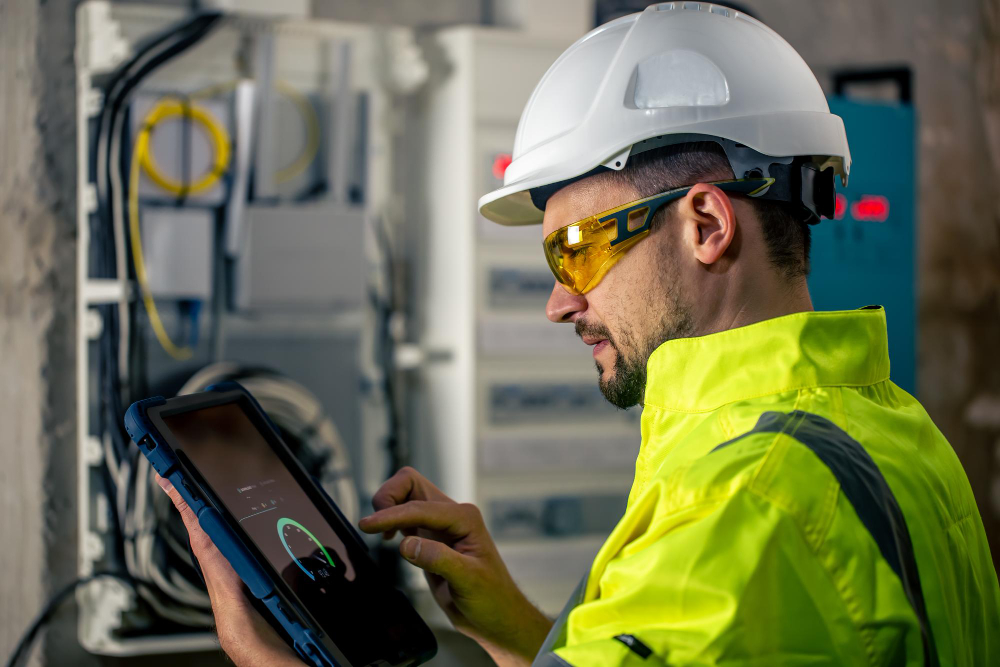
Cold chain products such as vaccines, insulin, and biologics demand precise temperature control from manufacturing to final delivery. Temperature mapping services are essential for validating cold rooms, refrigerators, freezers, and transport vehicles used in the pharma cold chain. By mapping temperature behavior under both empty and loaded conditions, companies can ensure that sensitive products remain stable throughout storage and transit, reducing the risk of costly losses.
Identifying Risks Before They Become Failures

One of the key benefits of temperature mapping services is proactive risk identification. Mapping studies reveal areas where airflow, insulation, or equipment performance may be inadequate. Detecting these issues early allows pharmaceutical companies to address them before they lead to temperature excursions. This preventive approach minimizes downtime, protects inventory, and supports uninterrupted operations.
Enhancing Operational Efficiency
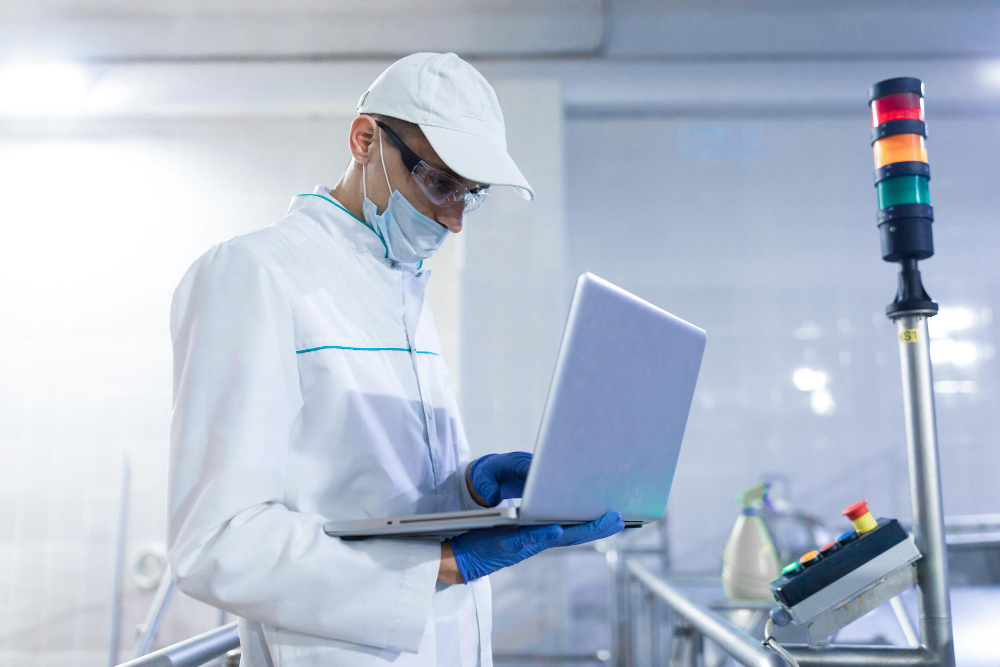
Temperature mapping services do more than ensure compliance; they also improve operational efficiency. Accurate mapping data helps optimize storage layouts, equipment placement, and monitoring sensor locations. With better insight into environmental behavior, pharma facilities can reduce energy consumption, improve equipment performance, and streamline monitoring processes without compromising compliance.
Ensuring Data Integrity and Traceability

Reliable data is at the heart of pharmaceutical quality systems. Professional temperature mapping services use calibrated sensors and validated methodologies to generate accurate and traceable data. This data supports quality assurance decisions and provides confidence that environmental controls are functioning as intended. Consistent data integrity strengthens internal audits and builds trust with regulatory authorities.
Adapting to Facility Changes and Expansion
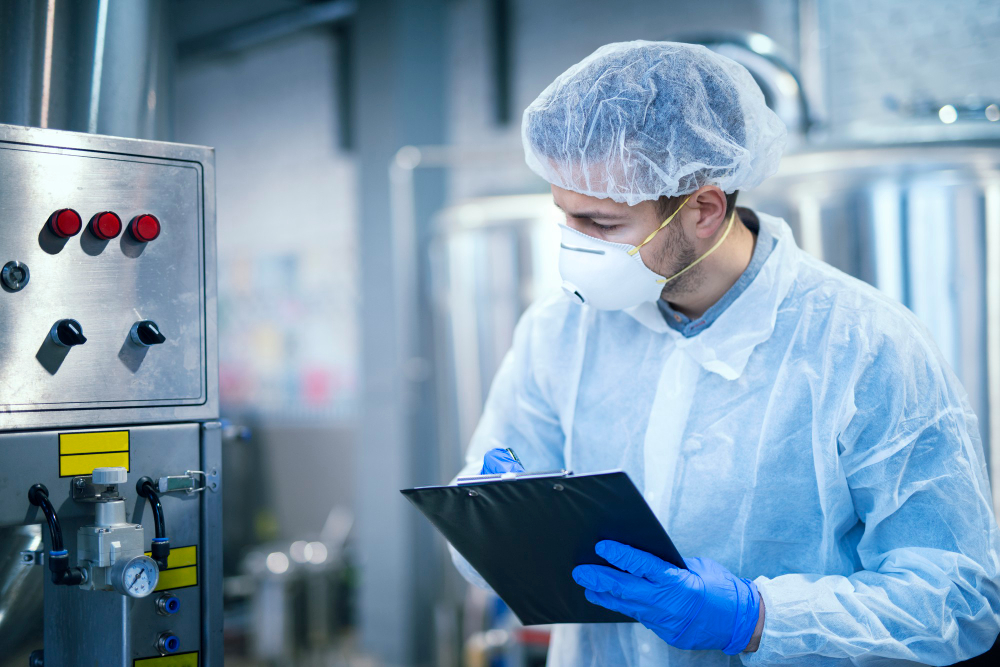
Pharmaceutical facilities often undergo changes such as expansion, equipment upgrades, or layout modifications. Each change can affect temperature distribution. Temperature mapping services are essential whenever significant changes occur, ensuring that new conditions remain compliant. Regular re-mapping helps facilities adapt to growth while maintaining control over critical storage environments.
FAQ
How often should temperature mapping be performed in pharma facilities?
Temperature mapping is typically performed during initial qualification and repeated after major changes or at defined intervals based on risk and regulatory guidance.
Is temperature mapping required for all pharmaceutical storage areas?
Yes, any area used for storing temperature-sensitive pharmaceutical products should undergo temperature mapping to ensure compliance and product safety.
Can temperature mapping help prevent product recalls?
Yes, by identifying and correcting temperature risks early, temperature mapping services significantly reduce the likelihood of temperature-related product recalls.
Conclusion
Temperature mapping services are not just a regulatory requirement for the pharmaceutical industry; they are a cornerstone of quality, safety, and operational excellence. By ensuring consistent temperature control, supporting cold chain integrity, and providing reliable compliance documentation, these services help pharmaceutical companies protect their products and patients alike. In an industry where precision matters, temperature mapping services remain essential for long-term success and regulatory confidence.