


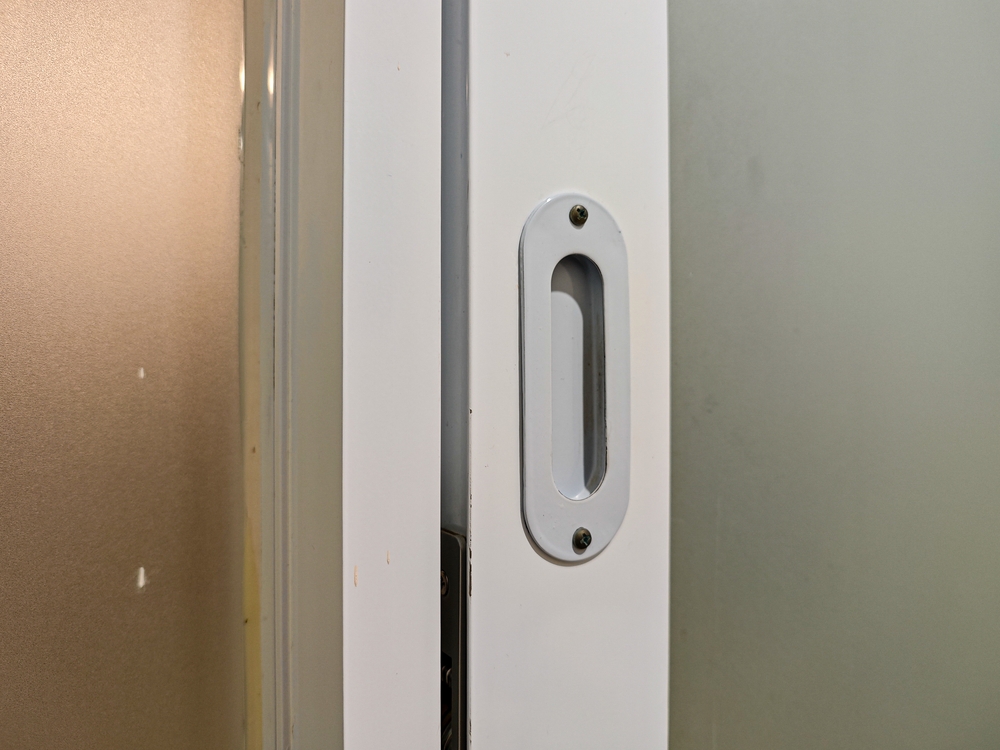
Modern interior design places a strong emphasis on simplicity, functionality, and efficient use of space. Flush cavity sliding doors embody these principles perfectly, offering a sleek solution that maximises room layout while maintaining a clean, uninterrupted aesthetic. Designed to slide neatly into the wall cavity and sit flush with surrounding surfaces, these doors are an ideal choice for contemporary homes and commercial interiors.
What Are Flush Cavity Sliding Doors?
Flush cavity sliding doors are doors that slide into a concealed cavity within the wall, becoming completely hidden when open. When closed, the door sits flush with the wall, creating a smooth, seamless finish without visible frames or protruding elements. This design allows the door to blend effortlessly into the interior, making it a popular option for minimalist and modern spaces.
Unlike traditional hinged doors, flush cavity sliding doors do not require swing space, making them especially useful in compact rooms or areas with limited floor space.
Maximising Space with Smart Design
One of the key benefits of flush cavity sliding doors is their space-saving capability. Because the door disappears into the wall cavity, valuable floor and wall space is preserved. This allows for greater flexibility in furniture placement and room layout, making even smaller spaces feel more open and functional.
In apartments, hallways, bathrooms, and wardrobes, flush cavity sliding doors help eliminate clutter and visual interruptions. In larger homes, they provide the flexibility to open or divide spaces as needed, supporting modern open-plan living without compromising privacy.
Clean Lines for Contemporary Interiors
Clean lines and understated design are at the heart of flush cavity sliding doors. With no visible hinges, tracks, or bulky frames, these doors contribute to a refined and streamlined interior look. Their flush finish creates visual continuity, allowing walls and surfaces to flow uninterrupted.
Flush cavity sliding doors can be finished in a range of materials, including painted timber, laminate, glass, or aluminium, to suit different interior styles. Whether matching the wall colour for a hidden-door effect or choosing a contrasting finish for subtle definition, these doors enhance modern interiors with effortless elegance.

Seamless Integration and Versatility
Flush cavity sliding doors are highly versatile and can be used throughout the home or workplace. They are ideal for separating living areas, bedrooms, bathrooms, home offices, and walk-in wardrobes. Their ability to disappear when open makes them particularly effective in multifunctional spaces where flexibility is essential.
Advanced hardware systems ensure smooth and quiet operation, with optional soft-close mechanisms for added comfort and safety. Acoustic and privacy-enhancing features can also be incorporated, making flush cavity sliding doors suitable for both residential and commercial environments.
Durability and Low Maintenance
Built with high-quality materials and precision-engineered components, flush cavity sliding doors are designed for long-term performance. The concealed track systems protect moving parts from dust and damage, ensuring reliable operation over time.
Maintenance requirements are minimal, usually limited to occasional cleaning and inspection. When professionally installed, flush cavity sliding doors offer a durable and dependable solution that maintains its clean appearance for years to come.
A Stylish and Practical Investment
Space-saving flush cavity sliding doors with clean lines are more than just a design feature—they are a practical investment in modern living. By enhancing space efficiency, improving visual flow, and offering flexible room separation, they add both functionality and aesthetic value to an interior.
For homeowners and designers seeking a refined, clutter-free look, flush cavity sliding doors provide the perfect balance of style and practicality. Their minimalist design and smart performance make them an essential element of contemporary interior architecture.