


Ever sliced your hand while working with sheet metal? Or perhaps you’ve had a close call with a sharp blade in the kitchen? If you’ve worked in any industry where sharp objects are part of your daily routine, you’ll know that hand injuries aren’t just painful—they can put you out of action for weeks. So, how do you protect yourself without sacrificing the ability to do your job properly?
Cut resistant gloves have become essential safety equipment across countless workplaces in Australia. From commercial kitchens to construction sites, these clever bits of kit are designed to stand between your hands and potential disaster. But here’s the thing: not all cut resistant gloves are created equal. The glove that works brilliantly for a chef might be completely wrong for someone handling glass panels.
In this guide, we’ll walk you through everything you need to know about choosing the right cut resistant gloves for your specific needs. You’ll learn about cut resistance ratings, the different materials available, and how to match gloves to your particular industry. We’ll also cover common mistakes to avoid and what to look for when shopping for cut resistant gloves online. By the end, you’ll have all the knowledge you need to make a confident, informed purchase.
Understanding Cut Resistance Levels
What Do Cut Resistance Ratings Mean?
Cut resistance ratings tell you exactly how much protection a glove offers against slicing hazards. Think of it like SPF ratings for sunscreen—the higher the number, the greater the protection. These ratings are determined through standardised testing that measures how much force is needed to cut through the glove material.
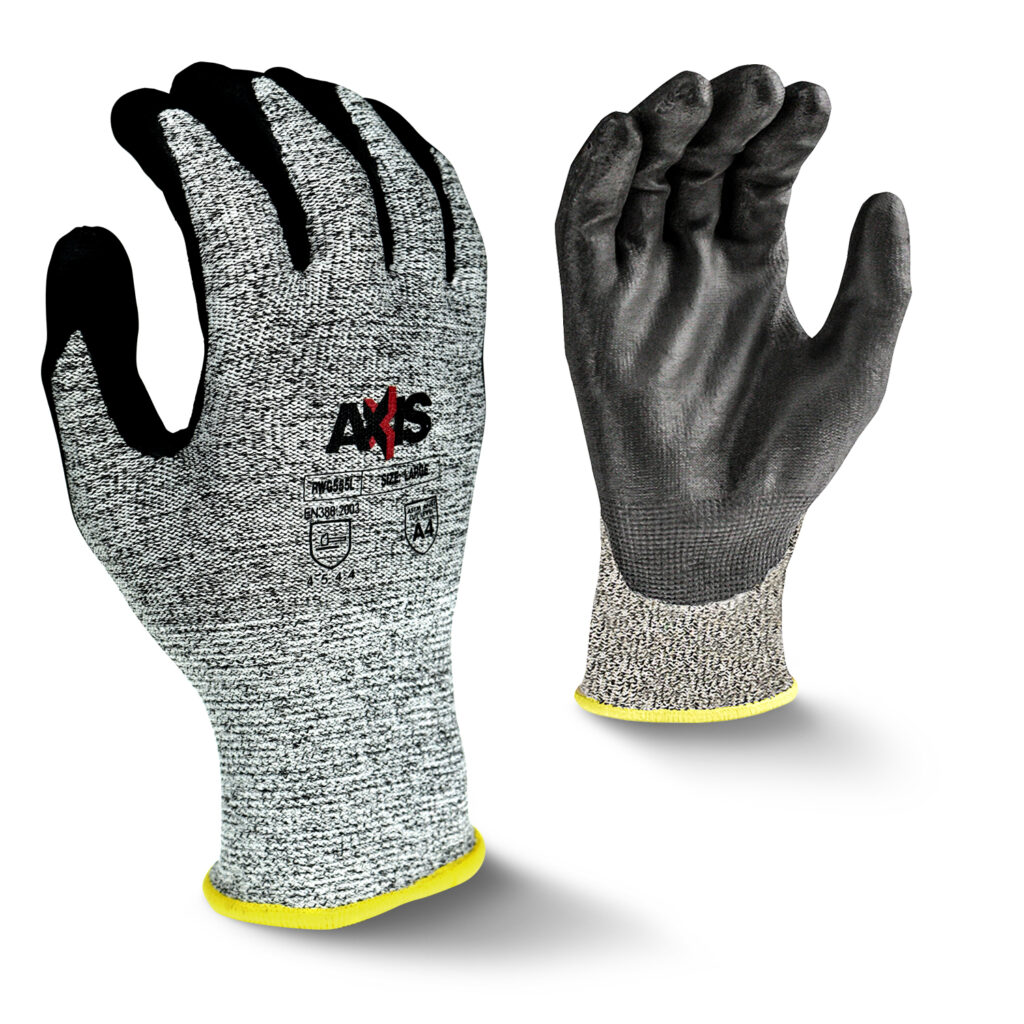
Ratings typically range from A1 (lowest protection) to A9 (highest protection) under the ANSI system. A glove rated A2 might be perfect for light assembly work, while A7 or higher would suit someone handling sharp metal edges daily.
ANSI vs EN388: Which Standard Should You Follow?
You’ll encounter two main standards when shopping: ANSI/ISEA 105 (American) and EN388 (European). In Australia, you’ll commonly see both. The ANSI system uses a straightforward A1-A9 scale, making it easy to compare gloves quickly.
EN388, on the other hand, uses a slightly different approach with letters and numbers covering various hazards. The most recent EN388:2016 update introduced an A-F scale specifically for cut resistance, aligning more closely with real-world testing conditions.
How Are Cut Resistant Gloves Tested?
Testing involves a blade being drawn across the glove material under controlled conditions. The TDM-100 test, used for ANSI ratings, measures how much weight (in grams) is needed to cut through the material in a single pass. The Coup test, traditionally used for EN388, involves a circular blade rolling back and forth.
Types of Cut Resistant Gloves Explained
Materials Used in Cut Resistant Gloves
Several high-performance materials make cut resistant gloves online. Kevlar, the same stuff used in bulletproof vests, offers excellent cut protection and heat resistance. Dyneema (also called HPPE) is incredibly lightweight yet remarkably strong.
Steel mesh gloves provide maximum protection for butchers and food processors. Composite materials blend several fibres together, offering a balance of cut resistance, comfort, and dexterity.
Coated vs Uncoated: What’s the Difference?
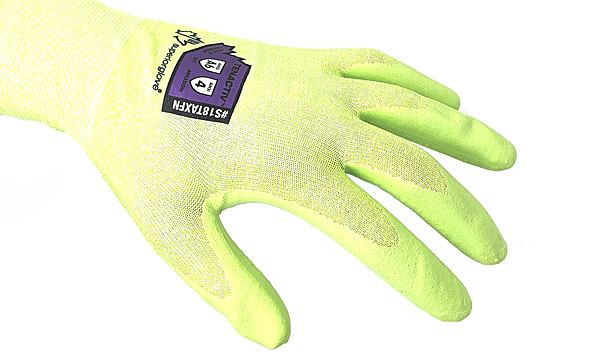
Uncoated gloves offer maximum breathability and touch sensitivity. They’re ideal for tasks requiring fine motor skills. Coated gloves, however, add a layer of nitrile, polyurethane, or latex to the palm and fingers.
This coating improves grip significantly, particularly in wet or oily conditions. It also adds some abrasion resistance and can extend the glove’s lifespan. The trade-off is slightly reduced dexterity and breathability.
Disposable vs Reusable Cut Resistant Gloves
Most cut resistant gloves are designed for repeated use over weeks or months. These reusable options offer better value and higher protection levels. Disposable cut resistant gloves do exist, primarily for food handling applications where hygiene is paramount.
Reusable gloves can typically be washed multiple times without losing their protective properties. Disposable options should be single-use only.
Matching Gloves to Your Industry
Best Cut Resistant Gloves for Food Handling and Commercial Kitchens
Food service workers need gloves that meet food safety standards while protecting against knife cuts. Look for gloves made from food-grade materials—typically Dyneema or HPPE fibres. A cut level of A4 or A5 usually provides adequate protection for most kitchen tasks.
Comfort matters hugely here, as chefs often wear gloves for extended periods. Lightweight, breathable options reduce hand fatigue considerably.
Cut Resistant Gloves for Construction and Metal Work
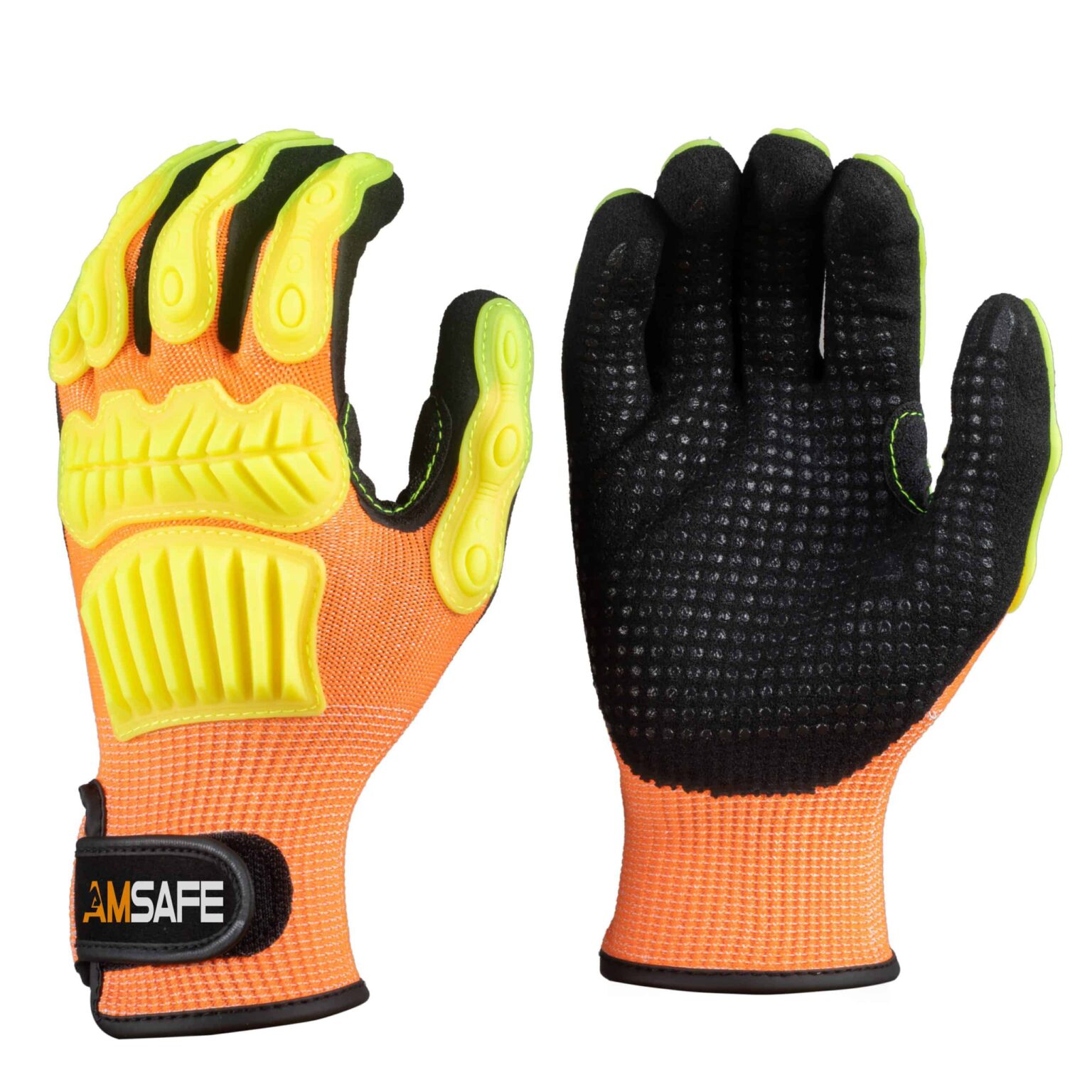
Construction and metalwork demand serious protection. Workers handling sheet metal, sharp tools, or rough materials need gloves rated A6 or higher. Durability is crucial, as these gloves face constant abrasion.
Look for reinforced palms and fingertips. Impact protection features can also prove valuable on busy worksites.
Warehouse and Logistics: Finding the Right Protection
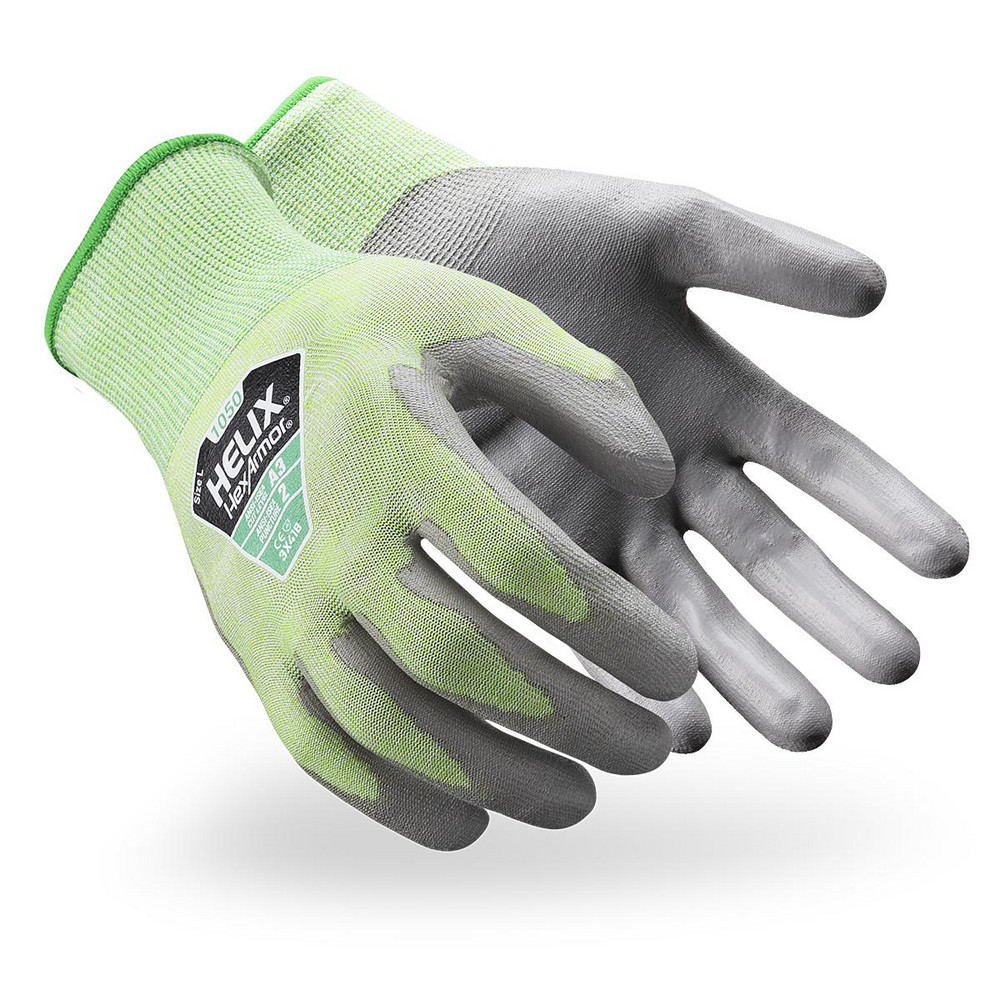
Warehouse workers face a mix of hazards—cardboard cuts, sharp packaging, and rough handling tasks. A moderate protection level (A3-A5) typically suits these environments. Grip is essential for handling packages securely.
Consider gloves with touchscreen-compatible fingertips if workers use handheld devices frequently.
Glass Handling and Manufacturing Applications
Glass handling requires specialised protection. High cut ratings (A7-A9) are non-negotiable. The smooth surface of glass also demands exceptional grip to prevent slippage.
Some manufacturers produce gloves specifically designed for glass work, featuring tacky coatings that grip smooth surfaces effectively.
Key Features to Consider When Buying Cut Resistant Gloves
What Level of Cut Resistance Do I Need?
Assess your specific hazards honestly. Light-duty tasks like handling cardboard or plastic might only need A2-A3 protection. Heavy-duty applications involving sharp metals or glass require A6 or higher.
Over-specifying isn’t necessarily better—higher-rated gloves often sacrifice dexterity. Match the protection to your actual risk level.
Dexterity and Grip: Can You Still Work Comfortably?
Protection means nothing if you can’t do your job effectively. Try performing typical tasks while wearing the gloves. Can you pick up small objects? Operate machinery controls? Write legibly?
Thinner gloves offer better dexterity but potentially less protection. Find the sweet spot for your needs.
Are Cut Resistant Gloves Puncture Proof?
Here’s a vital point: cut resistant doesn’t mean puncture resistant. These are different hazards requiring different protection. While some gloves offer both, many cut resistant gloves perform poorly against puncture threats like needles or splinters.
If puncture hazards exist in your workplace, check the glove’s puncture resistance rating separately.
Sizing and Fit: How Should Cut Resistant Gloves Fit?
Gloves should fit snugly without being restrictive. Excess material at the fingertips reduces dexterity and creates snagging hazards. Too tight, and you’ll experience hand fatigue and reduced circulation.
Most manufacturers provide sizing guides. Measure your hand and compare against their charts before ordering.
Common Mistakes to Avoid When Choosing Cut Resistant Gloves
Overlooking the Specific Hazard Type
A common error is assuming all sharp hazards are identical. Slicing, shearing, and cutting involve different mechanics. A glove excellent at resisting knife cuts might fail against abrasive materials.
Analyse your specific workplace hazards thoroughly before selecting gloves.
Prioritising Price Over Protection
Cheap gloves often prove expensive in the long run. Poor quality means frequent replacement and inadequate protection. Hand injuries cost far more than premium gloves—in medical bills, lost productivity, and workers’ compensation claims.
Invest appropriately in quality protection.
How to Care for and Maintain Your Cut Resistant Gloves
Can You Wash Cut Resistant Gloves?
Most cut resistant gloves can be machine washed on gentle cycles. Use mild detergent and avoid bleach, which can degrade fibres. Air drying is preferable to tumble drying.
Always check manufacturer instructions—some coated gloves have specific care requirements.
When Should You Replace Cut Resistant Gloves?
Replace gloves showing visible wear, holes, or thinning material. Also replace them after any cut-through incident, even if damage isn’t obvious. Fibres may be compromised invisibly.
Establish regular inspection routines in your workplace.
Buying Cut Resistant Gloves Online: What to Look For
How to Verify Quality When Shopping Online
When purchasing cut resistant gloves online, look for detailed product specifications. Reputable sellers display cut ratings prominently. Check for certification marks and standards compliance.
Read customer reviews, particularly from verified purchasers in similar industries.
Understanding Product Specifications and Certifications
Legitimate products clearly state their ANSI or EN388 ratings. Look for independent testing verification. Be wary of vague claims like “cut resistant” without specific ratings.
Australian workplace safety regulations require appropriate PPE—ensure your chosen gloves meet compliance requirements.
Frequently Asked Questions About Cut Resistant Gloves
Do Cut Resistant Gloves Work?
Absolutely. When properly matched to hazards and correctly fitted, cut resistant gloves significantly reduce hand laceration injuries.
Can Cut Resistant Gloves Be Cut?
Yes—they’re cut resistant, not cut proof. Sufficient force or highly aggressive materials can still penetrate any glove.
Are Cut Resistant Gloves Food Safe?
Many are specifically designed for food contact. Look for food-grade certifications and materials explicitly approved for food handling.
Making the Right Choice for Your Workplace Safety
Choosing the right cut resistant gloves comes down to understanding your specific hazards, knowing the rating systems, and balancing protection against practical usability. We’ve covered the key standards, materials, and features that matter most when making your selection.
Remember that the best glove is one you’ll actually wear consistently. All the protection in the world means nothing if gloves sit unused because they’re uncomfortable or impractical for your tasks. Take time to assess your real-world needs, try different options when possible, and don’t compromise on quality.
Your hands are irreplaceable tools—protecting them properly is one of the smartest workplace investments you can make. Whether you’re working in a busy commercial kitchen, handling glass panels, or sorting packages in a warehouse, the right cut resistant gloves will keep you safe and productive. Now you’ve got the knowledge to choose wisely, so get out there and find your perfect pair.