


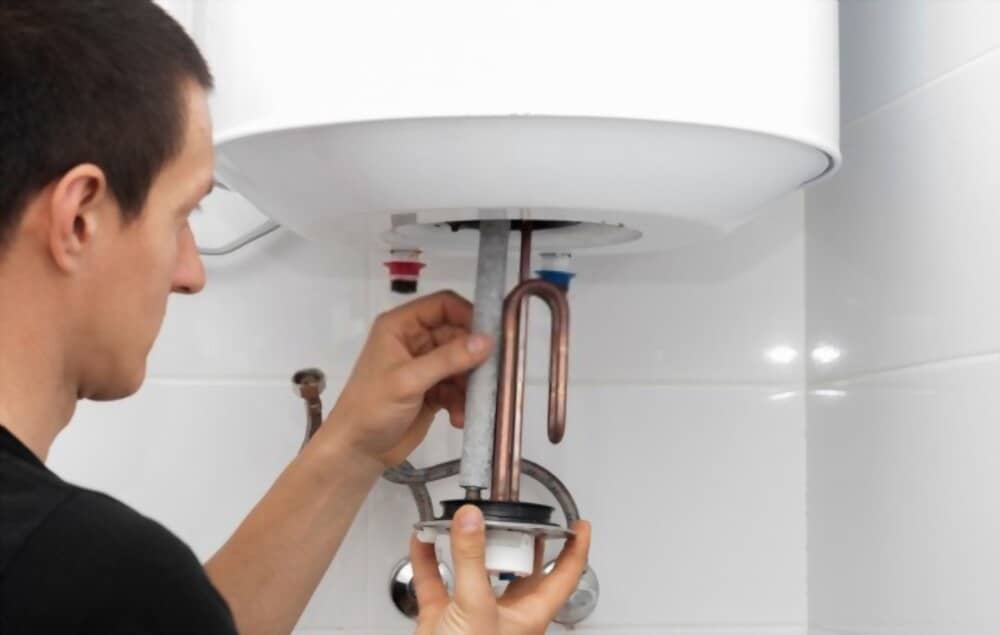
People need hot water because they use it for activities which include bathing and cooking and doing laundry and cleaning. Your home and business environments require correct hot water system selection because it provides users with comfortable service and delivers energy conservation advantages while reducing future operational costs. The debilitating decision of picking out the most suitable system from a range of options requires a comprehension of differences of available options, and meanwhile, the specific requirement of the user must be taken into consideration.
Types of Hot Water Systems
Many system types exist specifically designed for hot water with various advantages:
Storage Tank Systems:
The systems heat water which they store in a tank until customers need it. The systems come in three different power options which include electric and gas and solar models. Storage systems work best for homes which require steady hot water supply, yet they will exhaust their supply when demand goes beyond their storage limit.
Instant (Tankless) Systems:
Instant systems heat water on demand rather than storing it. The system operates with high energy efficiency while delivering an uninterrupted stream of hot water. The systems work best in small residential spaces and for households with restricted space.
Gas Hot Water Systems:
Gas systems provide two advantages which include quick heating capabilities and lower operating expenses when compared to electric systems. The system works best for families who require large amounts of hot water throughout the day.

Electric Hot Water Systems:
Electrical systems require lower installation expenses compared to their operational expenses which become more expensive during their operational lifetime. They are a good option for smaller households or properties without gas access.
Solar Hot Water Systems:
Solar water heaters save energy when they heat water, using an environmentally friendly and cost-effective design. The solar systems base their operations on solar energy which functions as their primary power source.
Assess Your Household Size and Usage
The system selection process depends primarily on the number of people who live in your home. A small household with one or two people may only require a compact electric or instant system. Families who have multiple bathrooms and dishwashers and washing machines should choose a system which provides extra storage capacity or select a gas system that operates during peak usage times. You should examine how you use your hot water throughout the day. To be able to cope with a few more tenets and still provide hot water, the system is required to generate more hot water.
Energy Efficiency and Running Costs
The process of selecting a hot water system requires assessment of its energy efficiency performance. The higher initial expense of certain systems results in financial benefits which will accumulate through decreased energy usage. The most energy-efficient systems available are solar and heat pump systems which need a higher initial financial commitment. Instant systems create energy savings because they heat water only during periods of actual demand. Energy-efficient models provide reduced utility costs while they simultaneously decrease environmental effects.

Space and Installation Requirements
The choice you make will depend on the space available in your home. Instant systems need less space than storage tanks because they can be installed on walls. Solar systems require roof space to set up their collectors, while gas systems need proper ventilation for their functioning. The installation process demands that professionals must operate under safe standards which they need to follow while executing their work and both regulatory requirements and maximum system effectiveness must be achieved. A qualified technician can assess your property and recommend the most suitable system.
Budget Considerations
The process of selecting a hot water system requires evaluation of its initial purchase price and its future operational costs. The less expensive system will lead to increased operational costs throughout its entire operational time, whereas the higher priced energy-efficient system will deliver superior value throughout its entire lifespan. Your budget should include all costs which will take place during maintenance periods and throughout the entire period of equipment use.
Maintenance and Lifespan
The hot water system, as you see often, needs to be well maintained for better performance and long life. The storage tanks need periodic flushing to eliminate sediment buildup while solar systems require scheduled inspections. The selection of a dependable brand together with regular maintenance scheduling will effectively reduce chances of sudden equipment failures.
Conclusion
The process of selecting a hot water system requires assessment of your home size, energy needs, financial capacity, and space limitations. Your hot water system selection between storage tank and instant and gas and electric and solar systems should match your actual requirements to deliver continuous hot water service and greater energy efficiency and cost savings throughout its lifespan. The proper system installation enables daily access to comfort and convenience and security for your entire home.