


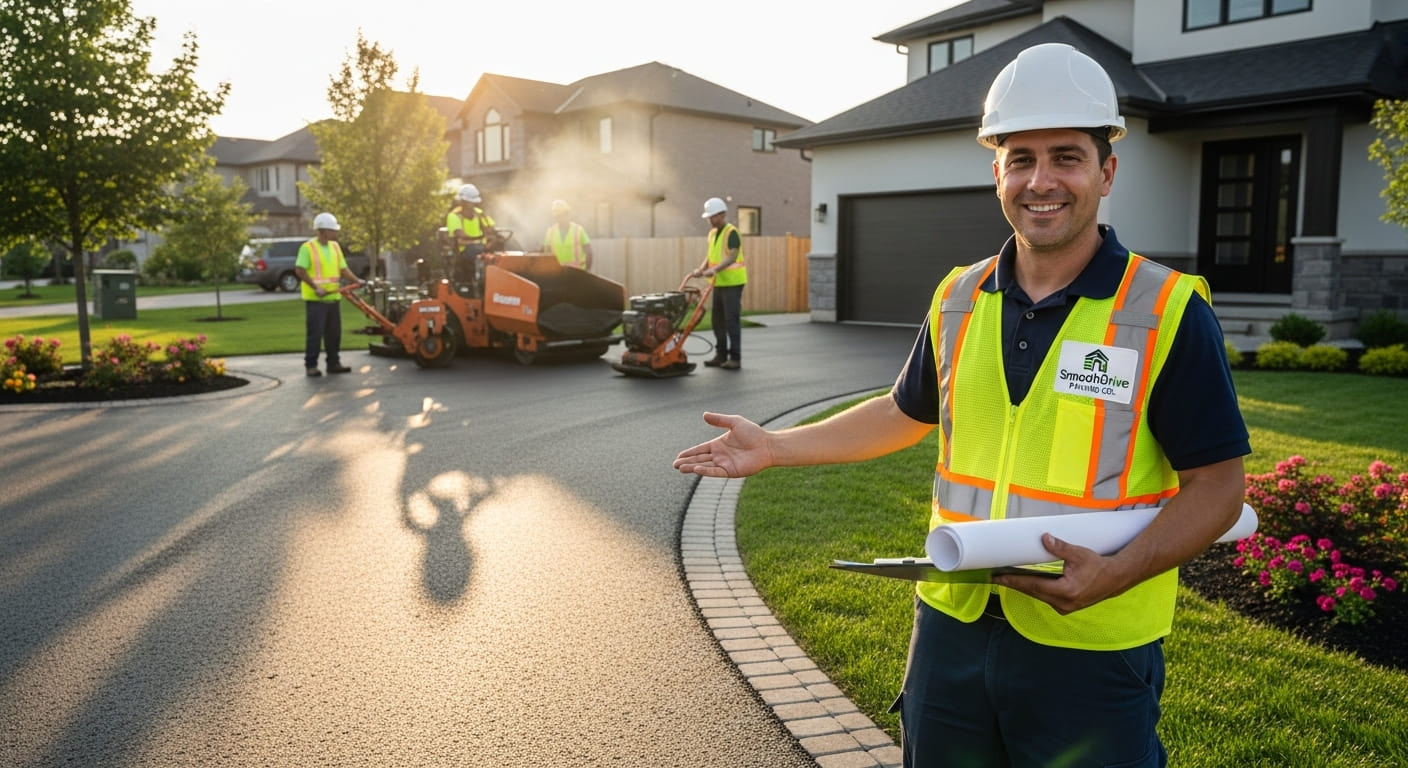
Transforming your outdoor space is a rite of passage for many Australian homeowners. Whether you are dreaming of a travertine entertainment area for summer barbeques or a rugged bluestone driveway to boost your curb appeal, the vision starts with the stone but relies on the skill of the installer. A beautiful tile can look terrible if laid poorly, while a skilled hand can make even simple pavers look like a masterpiece.
Finding the right tradesperson is often the most stressful part of the renovation. You need someone reliable, skilled, and honest. The relationship you build with your paving contractors will determine the success of your project. It is about clear communication, understanding the process, and knowing what to ask before the first shovel hits the ground.
To help you navigate this process and ensure your landscaping project runs smoothly, here are ten essential tips for working with professional pavers.
1. Define Your Scope Before You Call
Before you start dialing numbers, you need a clear plan. Contractors cannot give you an accurate estimate if you are vague about what you want. Are you looking to pave a driveway that needs to hold the weight of a caravan? Or is it a decorative garden path?
The usage dictates the construction method. A driveway needs a much deeper, stronger concrete or road-base foundation compared to a pedestrian patio. Knowing the approximate square meterage and the purpose of the area helps paving contractors understand the scale of the job immediately.
2. Separate Supply from Installation
Many homeowners assume the contractor must supply the tiles. While they can, it is often smarter to source the material yourself from a dedicated supplier like City Tile & Stone.
When you buy the stone yourself, you have total control over the aesthetic. You can visit the showroom, feel the texture, and select the exact batch of Limestone or Granite you want. It also ensures you are paying a fair market rate for the product without a markup. When speaking to paving contractors, ask them to quote on “labour and construction materials” (like sand, cement, and road base) while you handle the purchase of the pavers.
3. Check Licenses and Insurance
In Australia, the regulations around structural landscaping and paving can vary between states, but the need for legitimacy does not. You are inviting a tradesperson onto your property to perform major work.
Always ask to see their license. In New South Wales, for example, residential building work over a certain value requires a license from Fair Trading. In Victoria, structural work falls under the Victorian Building Authority. A license proves they have the qualifications to meet Australian Standards.
Equally important is insurance. Public Liability Insurance is non-negotiable. If a contractor accidentally hits a water pipe, damages your neighbour’s fence, or if a worker is injured on your site, you need to know they are covered. Never risk your financial safety by hiring an uninsured operator.
4. Prioritize the Sub-Base Conversation
The most critical part of any paving job is the part you will never see again: the sub-base. If a contractor talks only about the tiles and not about what goes underneath, be wary.
Australian soil conditions can be reactive, meaning they expand and shrink with moisture. Reliable paving contractors will explain their excavation plan. They should be digging down deep enough to install a layer of crushed rock (road base) and compacting it mechanically. This stable foundation prevents your new patio from sinking or becoming wavy over time. Ask them specifically: “How deep will you excavate and what base material will you use?”
5. Discuss Drainage and Gradients
Water is the enemy of longevity. If water pools on your pavers, it can cause staining, efflorescence (white salty deposits), and eventual destabilization of the base.
A professional must plan for water runoff. The paved area needs a slight gradient—usually imperceptible to the eye—that encourages water to flow away from your house and into garden beds or stormwater drains. If you are paving a pool area, the slope must prevent dirty water from running back into the pool. Ensure your paving contractors include drainage solutions like strip drains or ag-lines in their scope of work.
6. Understand Edge Restraints
Pavers that are not locked in will eventually move. This is especially true for the pavers on the outer edge of a patio or driveway. Over time, foot traffic and weather will cause them to drift into the garden, opening up gaps in your paving.
Ask your contractor how they plan to secure the perimeter. The standard method is a “concrete haunch.” This is a wedge of concrete applied to the outside edge of the border pavers, usually hidden under the grass or garden mulch. This locks the entire paved area together tightly.
7. Get Detailed, Written Quotes
Avoid verbal estimates. A “guesstimate” usually leads to conflict when the final bill arrives. You want a comprehensive written quote that breaks down the costs.
Look for line items such as:
- Excavation and waste removal (soil disposal fees in Australia can be high).
- Supply of road base, bedding sand, and cement.
- Laying labour.
- Cutting fees (complex cuts around drains or pillars take time).
When you compare quotes from different paving contractors, ensure you are comparing apples with apples. If one quote is significantly cheaper, check if they have included waste removal or if they are planning a shallower base.
8. Verify Past Work
A portfolio of photos is good, but seeing the work in real life is better. Photos can be filtered or taken from just the right angle to hide flaws.
Ask the contractor if they have a completed project in your local area that you can drive past. Look at the finish. Are the lines straight? Is the surface flat? Does the grouting look consistent? Seeing how a job has weathered over a year or two is the ultimate test of quality.
9. Clarify the Timeline and Schedule
Construction works can be disruptive. You need to know how long your driveway or backyard will be out of action. Ask for a realistic timeline, but be prepared for the Australian weather factor.
Paving contractors cannot work in heavy rain. You cannot lay grout in a downpour, and you cannot compact wet soil effectively. A good contractor will communicate these delays. Establish a clear line of communication early on. Ask them: “If it rains, when will you return?” and “Do you work consecutive days until the job is done?”
10. Talk About Sealing and Maintenance
Natural stone is beautiful, but it is porous. Materials like Sandstone and Travertine can absorb spills like red wine or oil from the BBQ.
Discuss sealing before the job starts. Some paving contractors include cleaning and sealing in their package, while others view it as an optional extra. A “dip seal” (sealing the tile before laying) might be recommended for very porous stone, while a topical seal is applied after the installation is finished. Knowing who is responsible for this step ensures your expensive stone is protected from day one.

Questions and Answers: Common Questions About Paving Contractors in Australia
Q: Do I need council approval for paving my driveway?
A: It depends on your local council regulations. generally, replacing an existing driveway or paving a backyard patio does not require a permit. However, if you are altering the “crossing” (the section of driveway on the council nature strip) or if the paved area exceeds a certain size and affects stormwater runoff (impervious surfaces), you may need approval. Your contractor should be able to advise you on this or you can check your council’s website.
Q: Why do pavers sometimes sink after a few years?
A: Sinking pavers are almost always the result of a poor sub-base. If the contractor did not excavate deep enough, or if they did not compact the road base layer correctly, the ground underneath will settle. This creates dips where water pools, making the problem worse. This is why hiring experienced paving contractors who prioritize preparation is vital.
Q: Can pavers be laid over existing concrete?
A: Yes, this is often possible and can save on excavation costs. However, there are conditions. The existing concrete must be in good condition (not cracked or heaving). Also, you need to consider height levels. Adding pavers on top will raise the floor level by 30-50mm. You must ensure this doesn’t block doors from opening or create a trip hazard where the path meets the street.
Q: How do contractors handle the gap between pavers?
A: The gap is filled with grout or jointing sand. For natural stone on a concrete base, a cement-based grout is used to lock the tiles together. For driveway pavers on a flexible sand base, specialized jointing sand (often with a polymer binder) is swept into the gaps. This stops weeds from growing and prevents the sand from washing away in the rain.
Q: What happens if a paver gets damaged later?
A: One of the huge benefits of paving over concrete slabs is repairability. If a heavy object cracks a paver, a professional can chip out the damaged stone and replace it with a new one. It is highly recommended to keep a few spare tiles from your original batch (supplied by City Tile & Stone) stored in your garage for this exact scenario.
Conclusion: Your Path to a Successful Paving Contractors in Australia
Investing in professional paving adds significant value and lifestyle appeal to your home. It creates the stage for your outdoor living, from family cricket matches to quiet morning coffees. However, the quality of the stone is only as good as the installation.
By following these tips, you take the guesswork out of hiring. You move from hoping for a good result to ensuring one. Defining your scope, understanding the technical importance of the sub-base, and verifying the credentials of your paving contractors protects your investment.
Remember that the journey begins with the material. Sourcing high-quality natural stone or pavers from City Tile & Stone gives you the best starting point. Once you have the perfect product, partnering with a transparent, licensed, and skilled installer will bring your vision to life. Take your time, ask the hard questions, and enjoy the process of creating a landscape that will stand the test of time.