


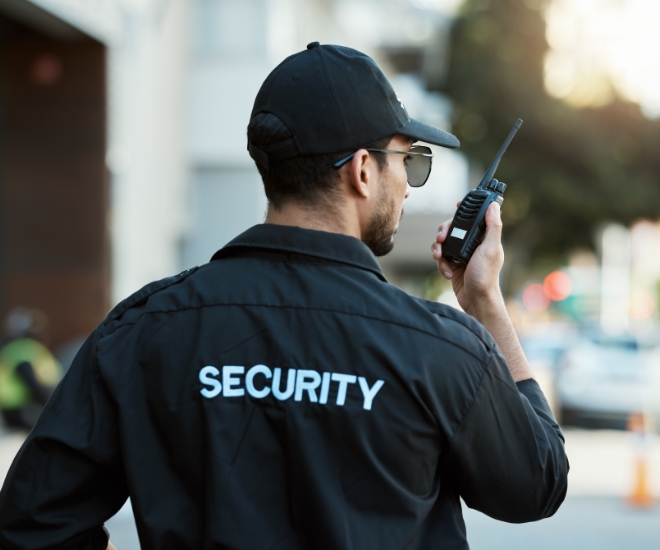
Have you ever wondered whether your property is truly protected? Are you confident that your current security measures would stand up against a determined intruder? And most importantly, do you know where to start when it comes to finding the right security provider?
Choosing the right security services isn’t just about hiring someone to stand at a door or installing a few cameras. It’s about understanding your unique security service requirements and finding solutions that genuinely fit your situation. Whether you’re protecting a bustling retail space in Sydney, a construction site in Melbourne, or your family home in Brisbane, getting this decision right matters more than you might think.
In this guide, we’ll walk you through everything you need to know about selecting security services that actually work for you. From understanding your current vulnerabilities to asking the right questions before signing any contracts, you’ll have a practical roadmap by the end. Let’s get stuck into it.
Understanding Your Security Service Requirements
Assessing Your Current Security Situation
Before you start shopping around for security providers, take a honest look at what you’ve already got in place. Walk through your property with fresh eyes. Are there dark corners where someone could hide? Do your locks actually work properly? Is your existing alarm system reliable, or does it go off every time a bird lands on a windowsill?
Make a list of your current security measures—everything from deadbolts to motion sensors. Then, consider how effective they’ve been. Have you experienced any break-ins, theft, or vandalism? Even near-misses count here. This assessment gives you a baseline to work from.
Identifying Potential Risks and Vulnerabilities
Every property has its weak points. Retail shops face shoplifting and after-hours break-ins. Construction sites deal with equipment theft. Residential properties might struggle with opportunistic burglars. Understanding your specific risks helps you match your security service requirements to actual threats.
Consider factors like your location, foot traffic patterns, valuable assets on-site, and operating hours. A warehouse storing expensive electronics faces different challenges than a café in a busy shopping strip.
Determining Your Budget and Resources
Let’s be realistic—security costs money. However, the cheapest option isn’t always the worst, and the priciest isn’t automatically the best. Work out what you can reasonably afford monthly, then prioritise your biggest vulnerabilities. You might not need round-the-clock guards if a quality alarm system with monitoring would do the job.
Types of Security Services Available
Manned Guarding and On-Site Security Personnel
Having trained security officers physically present offers visible deterrence that cameras simply can’t match. Guards can respond immediately to incidents, manage access points, and provide customer service alongside their protective duties. They’re particularly valuable for high-risk locations or businesses dealing with valuable stock.
Mobile Patrol Services
If 24/7 on-site guards aren’t practical or affordable, mobile patrols offer a smart middle ground. Security officers conduct regular checks of your property at random intervals, creating unpredictability that keeps potential troublemakers guessing. This works brilliantly for multiple locations or large sites.
CCTV and Remote Monitoring Solutions
Modern surveillance has come a long way. Today’s CCTV systems offer crystal-clear footage, night vision, and remote access from your smartphone. Paired with professional monitoring services, cameras become proactive security tools rather than just evidence collectors after something goes wrong.
Access Control Systems
Controlling who enters your property—and when—prevents problems before they start. From simple key card systems to sophisticated biometric scanners, access control lets you manage entry points efficiently. You’ll also get valuable data about movement patterns throughout your premises.
Alarm Response Services
An alarm only works if someone responds to it. Professional alarm response services ensure trained personnel investigate when your system triggers, often arriving before police can. This rapid response can mean the difference between a failed attempt and a successful break-in.
Event Security and Crowd Management
Hosting a corporate function, festival, or public gathering? Event security specialists handle everything from entry screening to emergency procedures. They keep your guests safe while ensuring your event runs smoothly.
What Should I Look for in a Security Company
Licensing and Accreditation Requirements
In Australia, legitimate security providers must hold appropriate state-based licences. Don’t be shy about asking to see credentials. Reputable companies display their licensing details proudly. Additionally, look for industry accreditations that demonstrate commitment to professional standards.
Industry Experience and Reputation
How long has the company operated? What do their existing clients say? Online reviews tell part of the story, but asking for references gives you direct insight. A provider with solid experience in your specific industry understands your unique challenges.
Staff Training and Qualifications
Security guards need proper training—not just a certificate they got online in an afternoon. Ask about ongoing professional development, first aid qualifications, and any specialised training relevant to your situation. Well-trained staff handle situations calmly and professionally.
Insurance and Liability Coverage
What happens if something goes wrong? Proper insurance protects both you and the security company. Request proof of public liability coverage and professional indemnity insurance before signing anything.
How Do I Know If I Need Professional Security Services?
Warning Signs Your Property Needs Better Protection
Trust your instincts here. If you’re finding signs of attempted break-ins, noticing unfamiliar people loitering nearby, or experiencing inventory shrinkage you can’t explain, these are red flags. Similarly, if your staff feel unsafe or you’ve received threats, professional security becomes essential rather than optional.
Business vs Residential Security Needs
Commercial properties typically require more comprehensive solutions—multiple access points, valuable assets, and employee safety considerations all factor in. Residential security often focuses on deterrence and rapid response. However, high-value homes or those in isolated locations might need approaches typically associated with commercial clients.
How Much Do Security Services Typically Cost?
Factors That Influence Pricing
Several elements affect what you’ll pay. These include:
– Hours of coverage needed
– Number of guards or patrol visits
– Technology requirements
– Location and accessibility
– Level of risk involved
– Contract length
A construction site requiring 24/7 guarding will obviously cost more than occasional mobile patrols for a small office.
Getting Value For Money Without Compromising Safety
The goal isn’t finding the cheapest provider—it’s getting genuine protection that fits your budget. Compare quotes from multiple companies, but look beyond the headline price. What’s actually included? Are there hidden fees? Sometimes paying slightly more for a reputable provider saves money long-term through better service and fewer incidents.
Questions to Ask Before Hiring a Security Provider
Contract Terms And Flexibility
Before committing, understand exactly what you’re agreeing to. How long is the contract? What notice period applies if you need to cancel? Can you scale services up or down as requirements change? Flexible providers adapt to your needs rather than locking you into rigid arrangements
Response Times And Availability
When something happens, every minute counts. What’s the average response time for alarm activations? Is there genuine 24/7 support, or just an answering machine after hours? Get specific commitments in writing.
Technology And Equipment Standards
Ask about the equipment they use. Is it modern and well-maintained? How often do they upgrade systems? Technology changes rapidly, and providers using outdated gear might leave gaps in your protection.
Taking The Next Steps Towards Better Security
Choosing the right security services doesn’t need to feel overwhelming. By understanding your specific security service requirements, researching your options thoroughly, and asking the right questions, you’ll find a provider that genuinely protects what matters to you.
Remember, good security is an investment in peace of mind. The right provider becomes a trusted partner, not just another contractor. They’ll understand your concerns, respond when you need them, and adapt as your situation changes.
So take that first step today. Assess your vulnerabilities, start conversations with reputable providers, and make an informed choice. Your property—and everyone in it—deserves protection that actually works.