


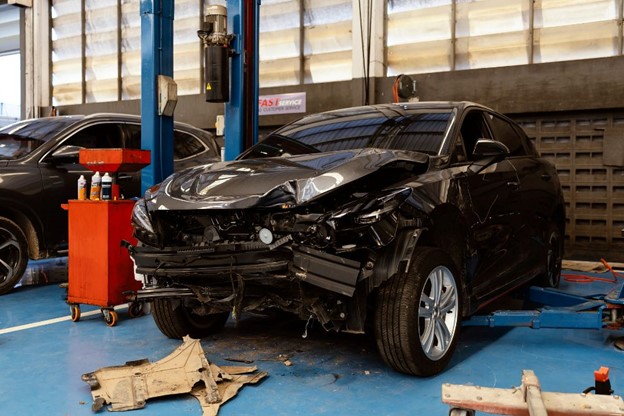
Ever wondered why some cars look brand new after a decade while others seem to fall apart within just a few years? Have you noticed how small rust spots can turn into gaping holes if left untreated? Or perhaps you’ve questioned whether that tiny paint chip really matters in the grand scheme of things?
Here’s the thing: your car’s body takes a beating every single day. From harsh Australian sun to coastal salt air, road debris to those sneaky shopping trolley dings in car parks, your vehicle faces constant threats. What many drivers don’t realise is that regular vehicle maintenance isn’t just about keeping the engine running smoothly—it’s your first line of defence against costly body repairs that could set you back thousands of dollars.
In this guide, we’ll explore why car service is important for protecting your vehicle’s exterior, what is auto maintenance when it comes to bodywork, and how simple weekly, monthly, and yearly car maintenance routines can save you from major headaches down the track. You’ll discover the surprising link between mechanical upkeep and body integrity, learn about common car maintenance tasks that specifically protect your paintwork and panels, and understand exactly how often you should service your car. By the end, you’ll have all the knowledge needed to create your own maintenance schedule that keeps your car looking sharp while saving serious money.
What Is Auto Maintenance? Understanding the Basics
Defining Regular Vehicle Maintenance
Regular vehicle maintenance encompasses all the routine checks, services, and care activities that keep your car functioning at its best. Think of it as preventative healthcare for your vehicle. Just as you’d visit a doctor for check-ups rather than waiting until you’re seriously ill, typical car maintenance addresses potential issues before they become expensive problems.
This includes everything from oil changes and tyre rotations to brake inspections and fluid top-ups. However, many people overlook the maintenance tasks that protect their car’s body and exterior components.
The Difference Between Mechanical and Body Maintenance
Mechanical maintenance focuses on what’s under the bonnet—engine health, transmission, brakes, and suspension. Body maintenance, on the other hand, protects the exterior shell, paintwork, panels, and structural integrity of your vehicle.
Both types work together. A leaking fluid can cause corrosion to body panels. Poor suspension alignment can lead to uneven wear and damage. Understanding this connection is crucial for comprehensive car care.
Why Car Service Is Important for Every Vehicle Owner
Protecting Your Investment
Your car is likely one of your biggest purchases. Normal car maintenance protects this investment by preserving both mechanical function and aesthetic appeal. A well-maintained vehicle retains significantly more value than a neglected one.
Australian buyers are particularly savvy when it comes to spotting poorly maintained cars. Rust, faded paint, and visible damage can slash your resale value by thousands.
Safety Implications You Can’t Ignore
Body damage isn’t just cosmetic. Compromised structural integrity can affect how your car performs in an accident. Crumple zones, for instance, need to be in perfect condition to protect you during a collision.
Rust weakening critical body sections could mean the difference between walking away from an accident and serious injury. This alone makes regular inspections absolutely vital.
How Small Issues Become Expensive Body Repairs
That small paint chip from a loose stone? Left untreated, moisture gets underneath, causing rust to spread beneath the surface. Within months, what could have been a $50 touch-up becomes a $500 panel respray—or worse, a full panel replacement costing well over $1,000.
Common Car Maintenance Tasks That Protect Your Vehicle’s Body
Regular Washing and Wax Protection
Washing your car isn’t just about looking good. It removes contaminants like bird droppings, tree sap, and road salt that eat into paintwork. A quality wax creates a protective barrier against UV damage and minor scratches.
Aim for a thorough wash every fortnight, with wax application every three months. Pay special attention to wheel arches where mud and debris accumulate.
Rust Prevention and Treatment
Australia’s coastal regions and humid climates make rust a constant threat. Inspect your car regularly for any bubbling paint or orange discolouration.
Treat rust spots immediately with rust converter and touch-up paint. For vehicles frequently exposed to salt air, consider applying an underbody rust protection treatment annually.
Checking Seals, Weatherstripping, and Drainage Points
Rubber seals around doors, windows, and the boot deteriorate over time. Cracked or loose weatherstripping allows water to enter, causing interior damage and corrosion in hidden areas.
Drainage points in doors and sunroofs can become blocked with debris. Clear these regularly to prevent water pooling inside panels where rust can develop unnoticed.
Inspecting for Minor Dents and Paint Chips
Make it a habit to walk around your car weekly, looking for new damage. Check after visits to busy car parks or driving on unsealed roads.
Address paint chips with touch-up paint before rust takes hold. Small dents can often be fixed with paintless dent removal—far cheaper than traditional panel beating.
What Does Typical Car Maintenance Include? A Complete Breakdown
Normal Car Maintenance: Weekly Checks
– Walk around your vehicle checking for new damage
– Wipe down bird droppings or tree sap immediately
– Check tyre condition and pressure
– Ensure all lights function properly
– Look for any fluid leaks beneath the car
Monthly Maintenance Essentials
– Thorough exterior wash including wheel arches and undercarriage
– Inspect weatherstripping and door seals
– Check windscreen for chips (which can spread into cracks)
– Clean drainage holes in doors
– Examine brake pads for wear
Yearly Car Maintenance Checklist
Annual car maintenance should include a comprehensive inspection covering:
– Professional rust inspection and treatment
– Full detail including paint correction if needed
– Suspension and alignment check
– Complete brake system inspection
– All fluid replacements as per manufacturer guidelines
– Battery testing and terminal cleaning
How Often Should You Service Your Car to Prevent Body Damage?
Understanding Annual Car Maintenance Schedules
Most manufacturers recommend servicing every 12 months or 15,000 kilometres—whichever comes first. However, body-specific maintenance often needs attention more frequently.
Your yearly car maintenance schedule should include at least two thorough body inspections—one before summer’s harsh UV exposure and another before winter’s wet season.
Seasonal Considerations for Australian Drivers
Living in Australia means dealing with extreme conditions. Summer sun fades paint and cracks rubber seals. Winter rain tests every seal and drainage point.
If you live near the coast, salt exposure demands more frequent washing and inspection. Those in dusty rural areas should clean their vehicles more often to prevent abrasive damage.
Signs Your Vehicle Needs Immediate Attention
Don’t wait for your scheduled service if you notice:
– Bubbling paint (rust developing underneath)
– Water inside the cabin after rain
– Unusual rattles from panels
– Visible cracks in windscreen
– Loose or damaged trim pieces
The Link Between Mechanical Maintenance and Body Integrity
Suspension and Alignment Issues
Worn suspension components don’t just affect ride comfort. They cause uneven stress on body mounting points, potentially cracking welds and damaging structural elements over time.
Poor alignment makes your car track unevenly, leading to accelerated wear on specific body areas and tyres alike.
Brake System Health and Panel Damage
Failing brakes mean longer stopping distances, increasing collision risk. Plus, seized brake components can cause vibrations that damage nearby panels and mounting points.
Fluid Leaks and Corrosion Risks
Brake fluid, coolant, and battery acid are all corrosive to paintwork and metal. A small leak dripping onto body panels can cause significant damage within weeks.
Regular under-bonnet inspections catch these leaks before they cause expensive body repairs.
Real-World Scenarios: When Skipped Maintenance Led to Major Repairs
Consider Sarah from Brisbane, who ignored a small paint chip on her bonnet. Eighteen months later, rust had spread beneath the surface, requiring a full bonnet replacement costing $2,800—a problem a $30 touch-up pen could have prevented.
Then there’s Mike from Melbourne, whose blocked door drains caused water to pool inside his doors for months. The resulting rust required both front doors to be replaced—a $4,500 repair bill that regular drain cleaning would have avoided entirely.
How Regular Vehicle Maintenance Saves You Money Long-Term
Comparing Prevention Costs vs Repair Costs
Annual maintenance including washing supplies, wax, touch-up paint, and professional rust treatment might cost $300-500. A single major rust repair averages $1,500-3,000. The maths speaks for itself.
Maintaining Resale Value
Well-maintained vehicles with documented service histories sell faster and for higher prices. Buyers trust that a car cared for cosmetically has likely been maintained mechanically too.
Creating Your Personal Maintenance Schedule
Start by reviewing your manufacturer’s recommendations. Add body-specific tasks based on your local climate and driving conditions. Set calendar reminders for weekly walk-arounds and monthly washes.
Keep a maintenance log documenting everything you do. This proves invaluable for warranty claims and when selling your vehicle.
Prevention Is Always Better Than Cure
Throughout this guide, we’ve explored why car service is important beyond just mechanical function. From understanding what auto maintenance is to creating your own yearly car maintenance schedule, you now have the knowledge to protect your vehicle’s body from costly damage.
The key takeaway is simple: small, consistent efforts prevent massive repair bills. That weekly walk-around, those regular washes, and prompt attention to minor damage all add up to significant savings and a car that looks great for years to come. And if you do notice dents, scratches, or paint damage that need professional attention, seeking expert car body repairs Carrum Downs early can prevent the issue from worsening.
So, take a few minutes this weekend to give your car a thorough inspection. Check those seals, treat any rust spots, and wash away the grime that’s slowly attacking your paintwork. Your wallet—and your car—will thank you for it.