


Have you ever wondered what’s really going on behind your walls? When was the last time you thought about the electrical system powering your home? And more importantly, could hidden faults be putting your family at risk right now?
These aren’t questions designed to scare you. They’re genuinely important considerations for every Australian homeowner. Our homes today are packed with more electrical devices than ever before. From smart home systems and electric vehicle chargers to multiple air conditioning units and home offices, we’re demanding far more from our electrical infrastructure than previous generations ever did.
In this guide, we’ll explore everything you need to know about advanced electrical safety checks for modern homes. You’ll discover the key components of your electrical system, learn about cutting-edge inspection methods like thermal imaging, and understand when it’s time to call in a professional. We’ll also cover common hazards lurking in Australian homes, what you can safely check yourself, and how to choose the right electrician for the job. By the end, you’ll feel confident about protecting your home and loved ones through proactive electrical safety measures.
Understanding Your Home’s Electrical System
Key Components Every Homeowner Should Know
Your home’s electrical system might seem like a mystery, but understanding the basics helps you spot potential problems early. The switchboard is essentially the heart of your system—it’s where power enters your home and gets distributed to various circuits. Modern switchboards contain safety switches (RCDs) and circuit breakers that protect against electrical faults.
Your home also relies on a network of wiring hidden behind walls and in ceiling spaces. This wiring connects to power points, light fixtures, and hardwired appliances throughout your property. The earthing system provides a safe path for electricity to flow into the ground if something goes wrong, preventing electric shocks.
How Modern Electrical Demands Differ from Older Homes
Homes built 30 or 40 years ago were designed for a completely different lifestyle. Back then, a household might have had a television, a fridge, and a few lights. Today, we’re running laptops, gaming consoles, multiple televisions, air conditioning systems, and countless rechargeable devices simultaneously.
This dramatic increase in electrical demand means older systems often struggle to cope. Circuits designed for minimal loads now face constant strain, increasing the risk of overheating and electrical fires. That’s why advanced safety checks have become so critical for modern living.
Essential Advanced Electrical Safety Checks
Switchboard and Safety Switch Inspections
Your switchboard deserves regular attention from a qualified electrician. They’ll check for signs of wear, corrosion, or damage that could compromise safety. Safety switches should be tested to confirm they trip within the required timeframe—typically 30 milliseconds.
A thorough inspection also involves checking that your switchboard meets current Australian standards. Many older boards contain outdated components that no longer provide adequate protection for modern electrical demands.
Thermal Imaging for Hidden Electrical Faults
Here’s where things get interesting. Thermal imaging technology allows electricians to detect problems invisible to the naked eye. Using specialised cameras, they can identify hotspots in your wiring, switchboard, and connections that indicate potential faults.
These hotspots often signal loose connections, overloaded circuits, or deteriorating components. Catching these issues early prevents them from developing into serious hazards. It’s a non-invasive technique that provides incredible insight into your electrical system’s health.
Circuit Breaker and RCD Testing
Circuit breakers and RCDs (residual current devices) are your frontline defence against electrical accidents. Testing confirms they’ll actually work when you need them most. Electricians use specialised equipment to verify these devices trip at the correct thresholds.
This testing isn’t just about checking if they work—it’s about confirming they respond quickly enough to prevent injury or damage. A delayed response, even by fractions of a second, could mean the difference between safety and disaster.
Earthing and Bonding Assessments
Proper earthing and bonding protect you from electric shock by providing a safe path for fault currents. Over time, earth connections can corrode or become damaged, reducing their effectiveness. Professional testing measures the resistance of these connections to verify they meet safety standards.
Bonding ensures all metallic parts of your electrical installation are connected together, preventing dangerous voltage differences from occurring. This is particularly important in wet areas like bathrooms and kitchens.
How Often Should You Have Your Home Electrics Checked?
Recommended Inspection Intervals
Most electrical safety check experts recommend having your home’s electrics professionally inspected every five years. However, this timeline varies depending on your property’s age, condition, and how heavily you use electricity. Rental properties in many Australian states require more frequent safety checks.
If you’ve recently purchased an older property, getting an inspection before moving in makes sense. Similarly, after major renovations or additions, a professional assessment confirms everything meets current standards.
Signs Your Home Needs an Urgent Electrical Inspection
Don’t wait for your scheduled inspection if you notice warning signs. Flickering lights, burning smells near outlets, frequently tripping circuit breakers, or discoloured power points all indicate potential problems requiring immediate attention.
Buzzing sounds from outlets or switches, warm or hot switch plates, and sparks when plugging in appliances are serious red flags. These symptoms suggest your electrical system needs urgent professional assessment.
What Does an Electrical Safety Check Include?
Visual Inspections vs Comprehensive Testing
A basic visual inspection involves examining accessible components for obvious damage, wear, or non-compliance. While valuable, visual checks can’t detect hidden faults or verify that safety devices function correctly.
Comprehensive testing goes much deeper. It includes measuring insulation resistance, testing earth fault loop impedance, and verifying RCD operation times. This thorough approach identifies problems that visual inspection alone would miss.
What to Expect During a Professional Assessment
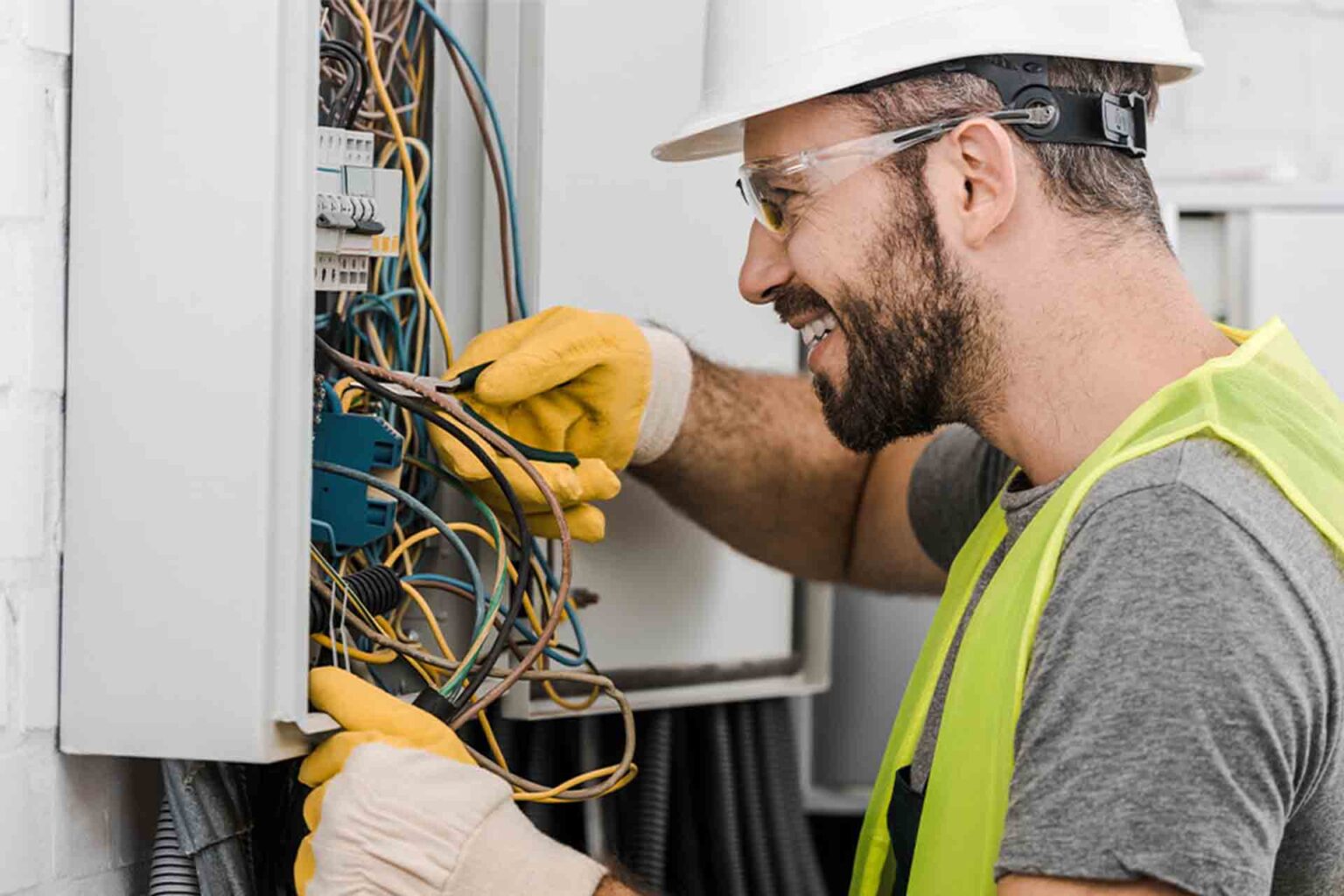
When an electrician arrives for a safety check, they’ll typically start by examining your switchboard. They’ll then work through your home testing power points, light switches, and fixed appliances. Expect the process to take several hours for an average-sized home.
You’ll receive a detailed report outlining any issues discovered and recommendations for remediation. A good electrician will explain findings in plain language and prioritise repairs based on risk level.
Common Electrical Hazards in Australian Homes
Outdated Wiring and Its Risks
Many Australian homes still contain old wiring systems that weren’t designed for modern electrical loads. Rubber-insulated wiring, common in homes built before the 1970s, deteriorates over time and presents a significant fire risk.
Aluminium wiring, used in some properties during the 1960s and 70s, can also cause problems. It expands and contracts more than copper, potentially loosening connections and creating fire hazards.
Overloaded Circuits and Power Points
Plugging multiple high-draw appliances into a single power point using double adaptors is asking for trouble. This practice overloads circuits and can cause wiring to overheat. Power boards with overload protection offer a safer alternative, though they’re not a permanent solution.
Faulty Appliances and Extension Lead Misuse
Damaged appliances and misused extension leads cause numerous electrical fires annually. Frayed cords, cracked plugs, and appliances that spark or smell burnt should be removed from service immediately.
Extension leads are designed for temporary use, not as permanent wiring solutions. Running them under carpets or through doorways damages insulation and creates serious hazards.
Can I Do Electrical Safety Checks Myself?
DIY Checks You Can Safely Perform
You can safely perform some basic checks without professional help. Test your safety switches monthly using the test button—they should trip immediately. Visually inspect power points and switches for damage, discolouration, or signs of overheating.
Check cords and plugs on appliances for damage. Look for scorch marks around outlets. These simple observations help identify problems early.
When to Call a Licensed Electrician
Any work involving your home’s fixed wiring must be performed by a licensed electrician. This includes replacing power points, installing new circuits, or working on your switchboard. DIY electrical work is illegal in Australia and extremely dangerous.
How Much Does an Electrical Safety Inspection Cost?
Is It Worth the Investment?
Absolutely. The cost of an inspection is minimal compared to the potential consequences of undetected electrical faults. House fires, electrocution risks, and appliance damage all carry far higher price tags—both financially and emotionally.
Choosing the Right Electrician for Advanced Safety Checks
Qualifications and Licencing to Look For
Always verify your electrician holds a current licence for your state or territory. Look for additional qualifications in areas like thermal imaging if you want comprehensive testing.
Questions to Ask Before Booking
Ask what their inspection includes, how long it takes, and whether they provide a written report. Request references and check online reviews from previous customers.
Protecting Your Home and Family Through Proactive Electrical Safety
Taking electrical safety check seriously isn’t about being paranoid—it’s about being smart. Your home’s electrical system works tirelessly behind the scenes, and regular advanced checks help keep it functioning safely. The small investment in professional inspections pays dividends in peace of mind.
Remember, modern homes place unprecedented demands on electrical infrastructure. What worked adequately decades ago may no longer provide sufficient protection for today’s lifestyle. Staying proactive rather than reactive could prevent a tragedy.
So, when did you last have your home’s electrics professionally checked? If you can’t remember, that’s probably your answer. Reach out to a licensed electrician and schedule an inspection. Your family’s safety is worth every cent.