


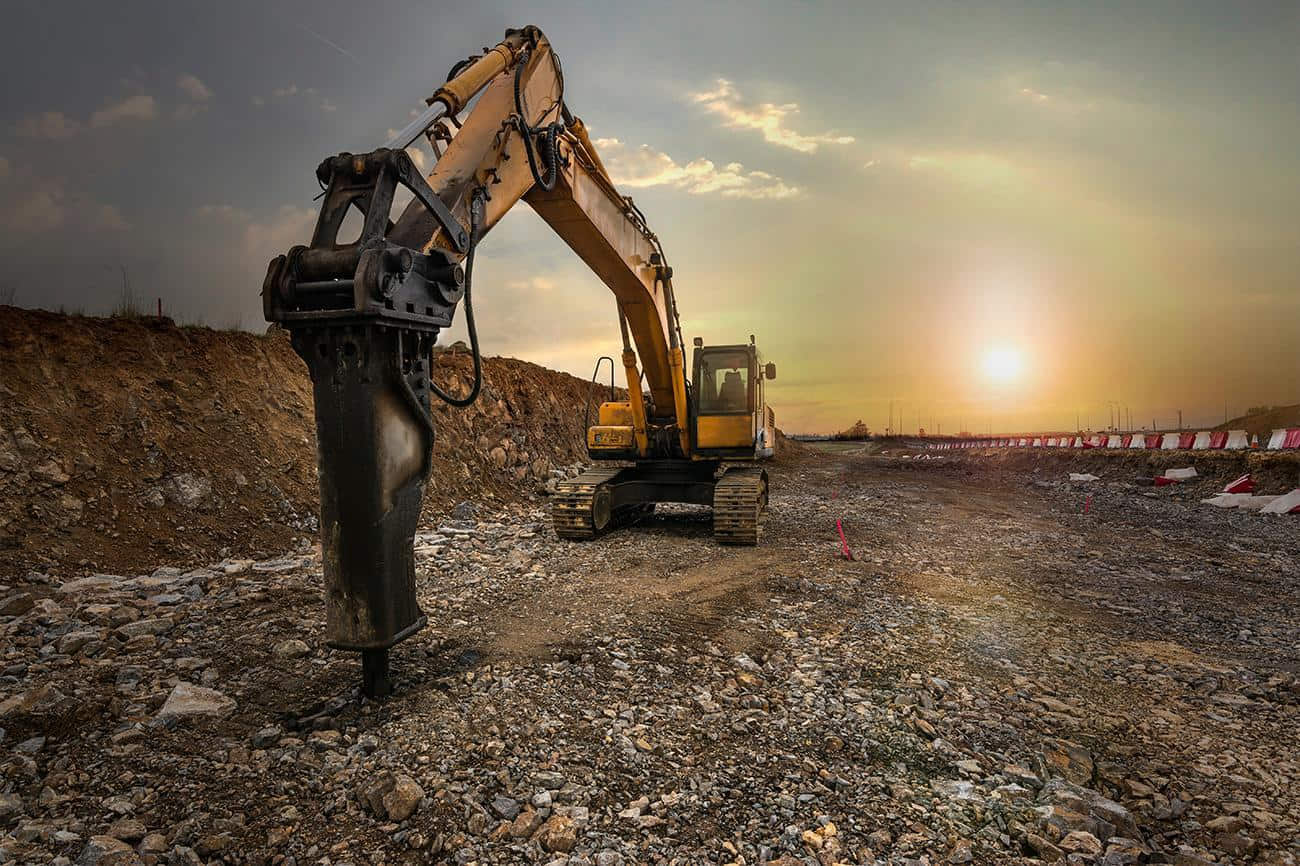
Hydraulic rock breakers bring raw power and precision to some of the toughest jobs on site, turning solid rock into manageable pieces with speed and control. Whether shaping foundations or tackling massive boulders, they keep projects moving efficiently while demanding skilled handling. A closer look at their real-world uses and essential safety practices can make all the difference in performance, durability, and operator safety.
Heavy construction and mining operations often require machines that can break extremely hard materials. The hydraulic rock breaker is designed to deliver strong impact force to break rocks, reinforced concrete, and other hard surfaces efficiently.
These machines use hydraulic pressure from excavators to drive a piston that repeatedly strikes the breaker tool, producing powerful impact energy. This system allows operators to break materials quickly while maintaining controlled and efficient operation.
Major Applications in Construction and Mining
Hydraulic breakers are widely used across several heavy industries. Their ability to break tough materials makes them suitable for many demanding environments.
In construction projects, breakers are often used to remove old concrete structures, break foundation layers, and prepare sites for new development. They also assist in excavation tasks where large rocks must be broken before removal.
Mining and quarrying operations use breakers to reduce oversized rocks into manageable pieces. This helps maintain smooth material processing and prevents blockages in crushing equipment.
Road construction projects also rely on breakers to remove asphalt, break rock formations, and clear existing road surfaces. These applications allow projects to progress faster and with greater control over material removal.
Performance Benefits of Hydraulic Breakers
Hydraulic breakers are valued for their ability to deliver steady and powerful impact energy. This allows operators to break hard materials efficiently while maintaining good control.
Hydraulic systems also reduce vibration and energy loss, meaning more force reaches the surface being broken. This improves productivity during demanding work.
Another advantage is equipment compatibility. Breakers can be paired with different excavator sizes, helping maintain machine stability. In many heavy-duty projects, the hydraulic rock breaker improves efficiency through strong impact force and reliable hydraulic control.
Safety Practices for Breaker Operation
Operating hydraulic breakers requires strong safety awareness to protect both operators and nearby workers. Pre-operation inspections are essential. Checking hydraulic hoses, mounting parts, and the breaker tool ensures the equipment is safe to use.
Proper positioning is also important. The tool should remain straight against the surface to avoid equipment damage and maintain efficiency. Operators must wear protective gear such as helmets, gloves, eye protection, and hearing protection. Maintaining safe distance and clear communication on site further improves safety.
Maintenance for Reliable Performance
Regular maintenance is essential for keeping breakers operating efficiently. Well-maintained equipment performs better and lasts longer.
Lubrication is one of the most important maintenance tasks. Proper lubrication reduces friction between moving parts and helps prevent premature wear.
Hydraulic oil should also be monitored regularly. Clean oil supports smooth hydraulic operation and protects internal components from contamination.
Breaker tools should be inspected for wear and replaced when necessary. Worn tools reduce breaking efficiency and place additional stress on equipment parts.
Storage conditions also matter. Keeping breakers clean and dry when not in use helps prevent corrosion and mechanical damage.
Final Thoughts
Hydraulic breakers are powerful tools that support critical tasks in construction, mining, and demolition projects. Their ability to break extremely hard materials allows operators to complete heavy work faster and with greater precision.
However, performance depends on responsible operation and proper maintenance. Operators must follow safe working practices, conduct regular equipment inspections, and ensure tools remain in good condition. These steps reduce operational risks while maintaining reliable performance.
When used correctly, a hydraulic rock breaker becomes an essential part of efficient site operations. By combining strong hydraulic power with careful maintenance and safety awareness, organisations can achieve improved productivity while maintaining safer working conditions across demanding industrial environments.