

Ever wondered what’s lurking beneath your beautiful bathroom tiles? Have you noticed a musty smell that just won’t shift, or perhaps spotted some suspicious staining on your ceiling below? If you’re a Melbourne homeowner, bathroom waterproofing should be right at the top of your home maintenance checklist.
Here’s the thing – water damage is sneaky. It doesn’t announce itself with fanfare. Instead, it quietly seeps through gaps and cracks, causing structural damage that can cost thousands to repair. In Melbourne’s variable climate, where humidity levels fluctuate throughout the year, proper waterproofing isn’t just a nice-to-have. It’s absolutely essential for protecting your home and your investment.
In this guide, we’ll walk you through everything you need to know about bathroom waterproofing in Melbourne. From understanding Australian standards to choosing the right membrane, we’ve got you covered. You’ll learn how to spot the warning signs of failed waterproofing, what it costs to get the job done properly, and how to find a reliable specialist. Let’s get stuck into it.
What Is Bathroom Waterproofing and How Does It Work?
Understanding Waterproofing Membranes
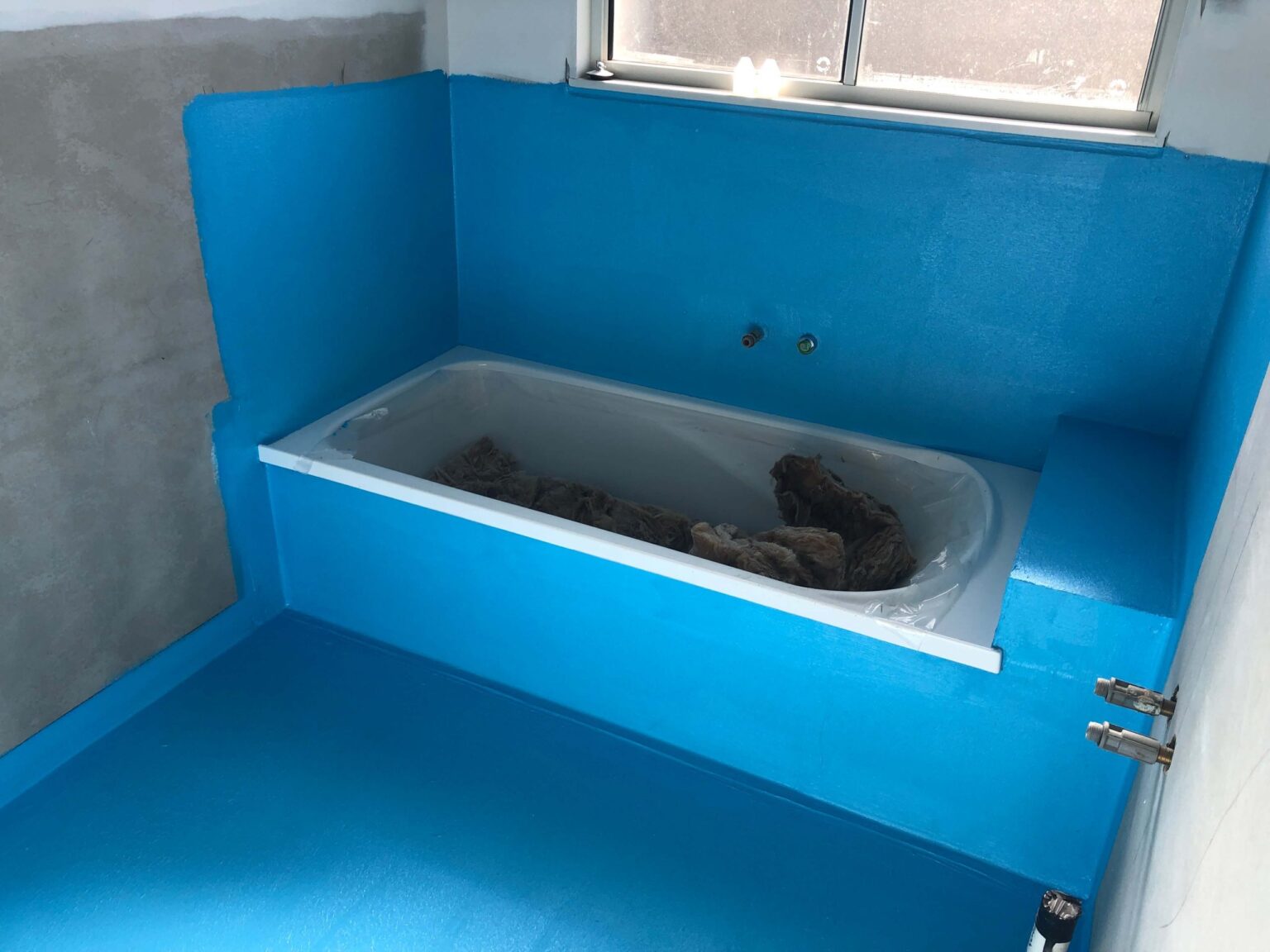
Waterproofing is essentially creating a barrier that stops water from penetrating surfaces where it shouldn’t go. In your bathroom, this means protecting the structural elements beneath your tiles from moisture damage. The star of the show? Waterproofing membranes.
These membranes come in various forms – liquid-applied, sheet membranes, and cementitious coatings. Liquid membranes are painted on and cure to form a flexible, waterproof layer. Sheet membranes, on the other hand, are pre-formed and applied using adhesive. Each type has its advantages depending on your specific situation.
The Australian Standards You Need to Know
In Australia, bathroom waterproofing isn’t optional – it’s mandated by Australian Standard AS 3740. This standard specifies exactly which areas must be waterproofed and how. For Melbourne homeowners, compliance isn’t just about following rules. It’s about ensuring your waterproofing will actually work and last.
AS 3740 requires waterproofing in wet areas including shower recesses, floors, and around baths. The standard also dictates minimum heights for waterproofing on walls and specific requirements for different bathroom configurations.
Do You Need Waterproofing in Your Bathroom?
Signs Your Bathroom Waterproofing Has Failed
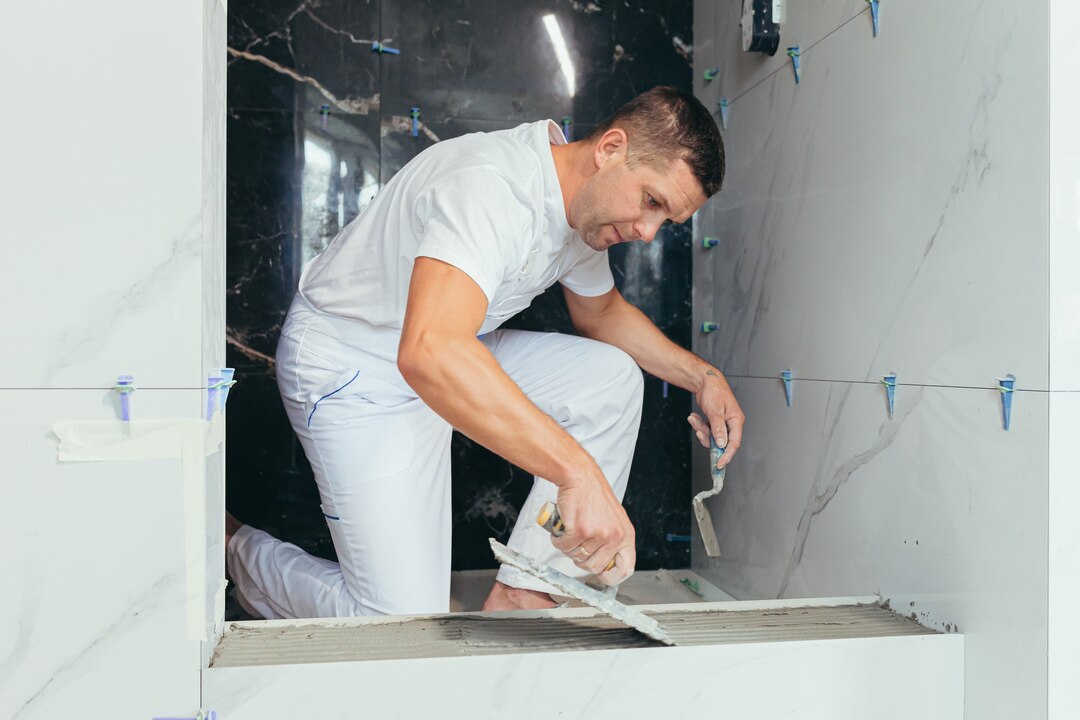
So how do you know if your current waterproofing has given up the ghost? There are several telltale signs to watch for. Cracked or loose tiles often indicate water has gotten underneath. Musty odours suggest hidden moisture. Water stains on ceilings below bathrooms are a dead giveaway.
Plus, if your grout is crumbling or you notice mould growth that keeps returning despite cleaning, your waterproofing membrane may have failed. Don’t ignore these warning signs – addressing them early can save you from major headaches down the track.
Which Areas of the Bathroom Must Be Waterproofed?
According to Australian standards, certain areas absolutely must be waterproofed. Your shower floor and walls up to at least 1800mm high require protection. The bathroom floor needs waterproofing extending at least 100mm up the walls. Around your bath, waterproofing should cover areas likely to get wet.
Any horizontal surfaces where water can pool need attention too. This includes hob areas, niches, and ledges within wet zones.
How Much Does Bathroom Waterproofing Cost in Melbourne?
Factors That Affect Waterproofing Prices
Let’s talk money. In Melbourne, professional bathroom waterproofing typically ranges from per square metre for the membrane application alone. However, the total cost depends on several factors. The size of your bathroom obviously matters, as does its current condition.
If significant preparation work is needed – like removing old tiles or repairing substrate damage – costs climb accordingly. The type of membrane chosen and the complexity of your bathroom layout also influence pricing. A straightforward rectangular shower is cheaper to waterproof than one with multiple niches and built-in seats.
DIY vs Professional Waterproofing: Is It Worth the Savings?
Here’s where many Melbourne homeowners get tempted to cut corners. DIY waterproofing products are readily available, and the potential savings look attractive. But is it worth the risk? Honestly, probably not.
Waterproofing requires precision and experience. Mistakes might not show up for years, but when they do, you’re looking at complete bathroom renovations to fix them. What’s more, DIY waterproofing may void warranties and create insurance complications. In most states, including Victoria, waterproofing must be carried out by licensed professionals to meet building codes.
Best Practices for Bathroom Waterproofing Projects
Choosing the Right Waterproofing Membrane for Your Bathroom
Not all membranes are created equal. For Melbourne bathrooms, you’ll want a membrane that handles temperature fluctuations and remains flexible over time. Polyurethane-based liquid membranes are popular for their excellent adhesion and flexibility. They work brilliantly on concrete and cement sheet substrates.
Consider the specific needs of your bathroom. High-traffic family bathrooms might benefit from more durable options, while ensuites could use standard-grade products. Always check that your chosen membrane meets AS 4858 requirements.
Proper Surface Preparation Before Waterproofing
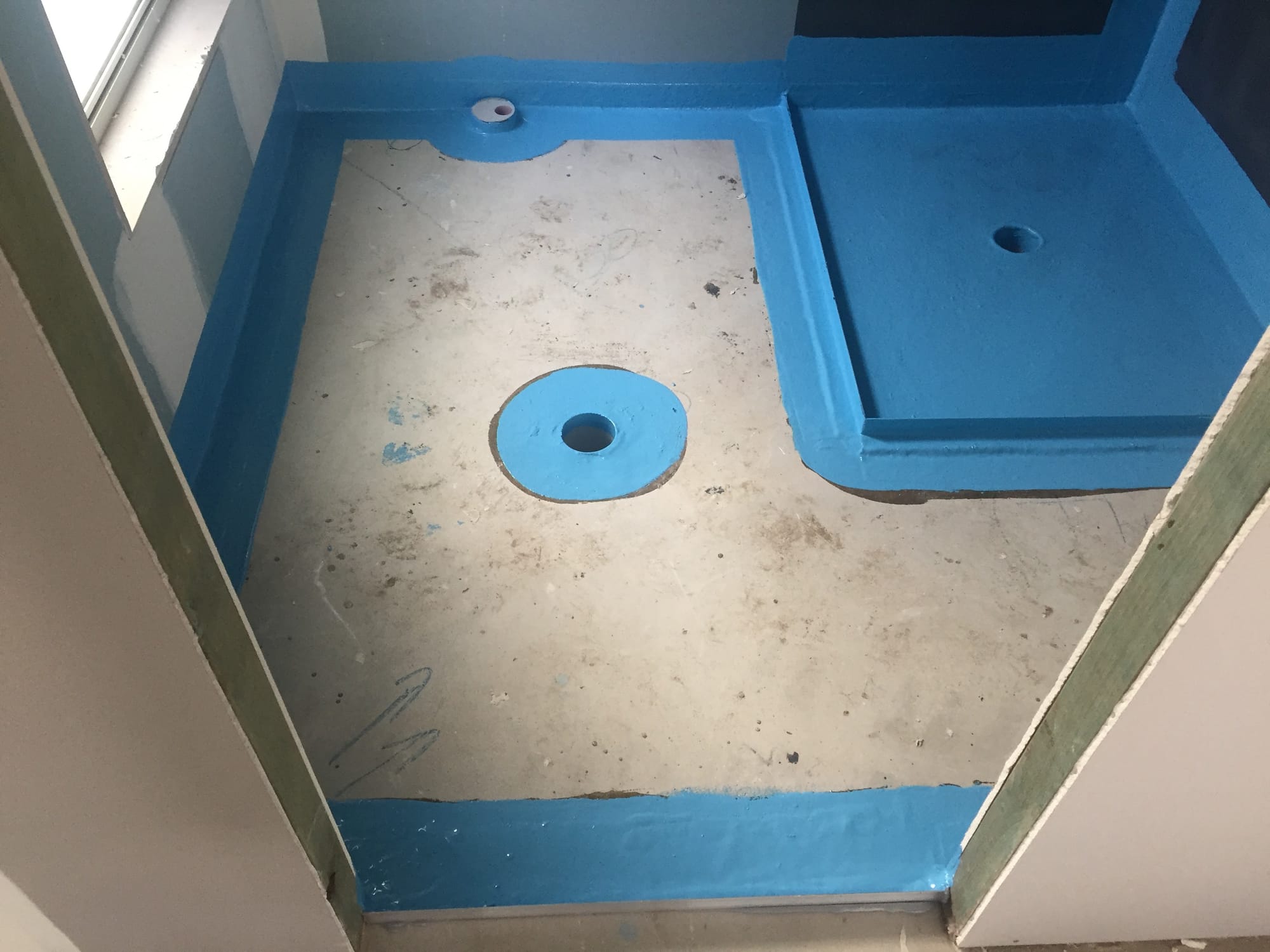
Preparation makes or breaks a waterproofing job. The substrate must be clean, dry, and free from contaminants. Any cracks need filling, and surfaces should be primed appropriately. Corners and joints require special attention with reinforcing tape or bandaging.
This step takes time, but rushing it undermines everything that follows. A properly prepared surface ensures the membrane bonds correctly and performs as intended for years to come.
Getting the Application Right: Common Mistakes to Avoid
Even with great preparation, application errors can ruin your waterproofing. Applying membrane too thinly is a classic mistake – most products require specific wet film thickness to work properly. Missing spots around fixtures, not extending waterproofing high enough on walls, and poor treatment of corners all cause failures.
Another common blunder? Not allowing proper drying between coats. Each layer needs to cure fully before the next is applied.
Drying and Curing Times: Why Patience Pays Off
Speaking of drying, this is where patience truly pays off. Rushing the curing process is tempting when you’re eager to finish your renovation, but it’s a recipe for disaster. Most membranes need 24-72 hours to cure completely, depending on temperature and humidity conditions.
In Melbourne’s cooler months, curing takes longer. Factor this into your project timeline and resist the urge to proceed before the membrane has fully set.
How Long Does Bathroom Waterproofing Last?
Extending the Lifespan of Your Waterproofing
Quality waterproofing should last 10-15 years minimum, often longer with proper care. To extend its lifespan, maintain your grout and silicone seals diligently. These are your first line of defence against water penetration. Address any cracked tiles promptly and keep an eye out for early warning signs.
Regular bathroom ventilation also helps. Running exhaust fans during and after showers reduces moisture buildup that can stress waterproofing membranes over time.
When Should You Re-Waterproof Your Bathroom?
If your bathroom is approaching 15 years old, it’s worth having the waterproofing inspected. Any bathroom showing signs of water damage definitely needs attention. During renovations involving tile removal, re-waterproofing is typically required since disturbing tiles often damages existing membranes.
Can You Waterproof Over Existing Tiles?
Options for Waterproofing Without a Full Renovation
Good news for those dreading major works – waterproofing over existing tiles is sometimes possible. Specialised coatings can be applied directly over tiles, creating a new waterproof surface. This approach works best when existing tiles are in good condition and firmly adhered.
However, this isn’t suitable for every situation. If there’s existing water damage or tiles are lifting, you’ll need to remove them and start fresh. A professional assessment will determine which option suits your bathroom.
Hiring a Bathroom Waterproofing Specialist in Melbourne
What to Look for in a Licensed Waterproofer
Finding the right contractor matters enormously. In Victoria, look for waterproofers with appropriate licensing and insurance. Check their experience specifically with bathroom waterproofing – not all waterproofers specialise in wet areas.
References and reviews provide valuable insights. Don’t be shy about asking for examples of previous work. A reputable contractor will happily share their track record.
Questions to Ask Before Hiring a Contractor
Before signing anything, ask potential contractors several key questions. What membrane do they use and why? What warranty do they offer on their workmanship? How long will the job take, including curing time?
Request a detailed written quote that breaks down costs. Ask about their process for surface preparation and how they handle corners and penetrations. The answers will tell you a lot about their professionalism and expertise.
Protecting Your Melbourne Home from Water Damage
We’ve covered a lot of ground, from understanding what waterproofing actually does to finding the right specialist for your Melbourne bathroom. The key takeaways? Never underestimate the importance of proper waterproofing, always use licensed professionals, and don’t rush the process.
Your bathroom waterproofing protects more than just your bathroom – it safeguards your entire home’s structural integrity. The cost of doing it right pales in comparison to repairing water damage later. Whether you’re building new, renovating, or concerned about an existing bathroom, addressing waterproofing properly gives you peace of mind.
Ready to tackle your bathroom waterproofing project? Start by getting quotes from several licensed Melbourne waterproofers. Ask questions, compare approaches, and choose someone who takes the time to explain their process. Your future self will thank you for making this investment in your home’s protection.