

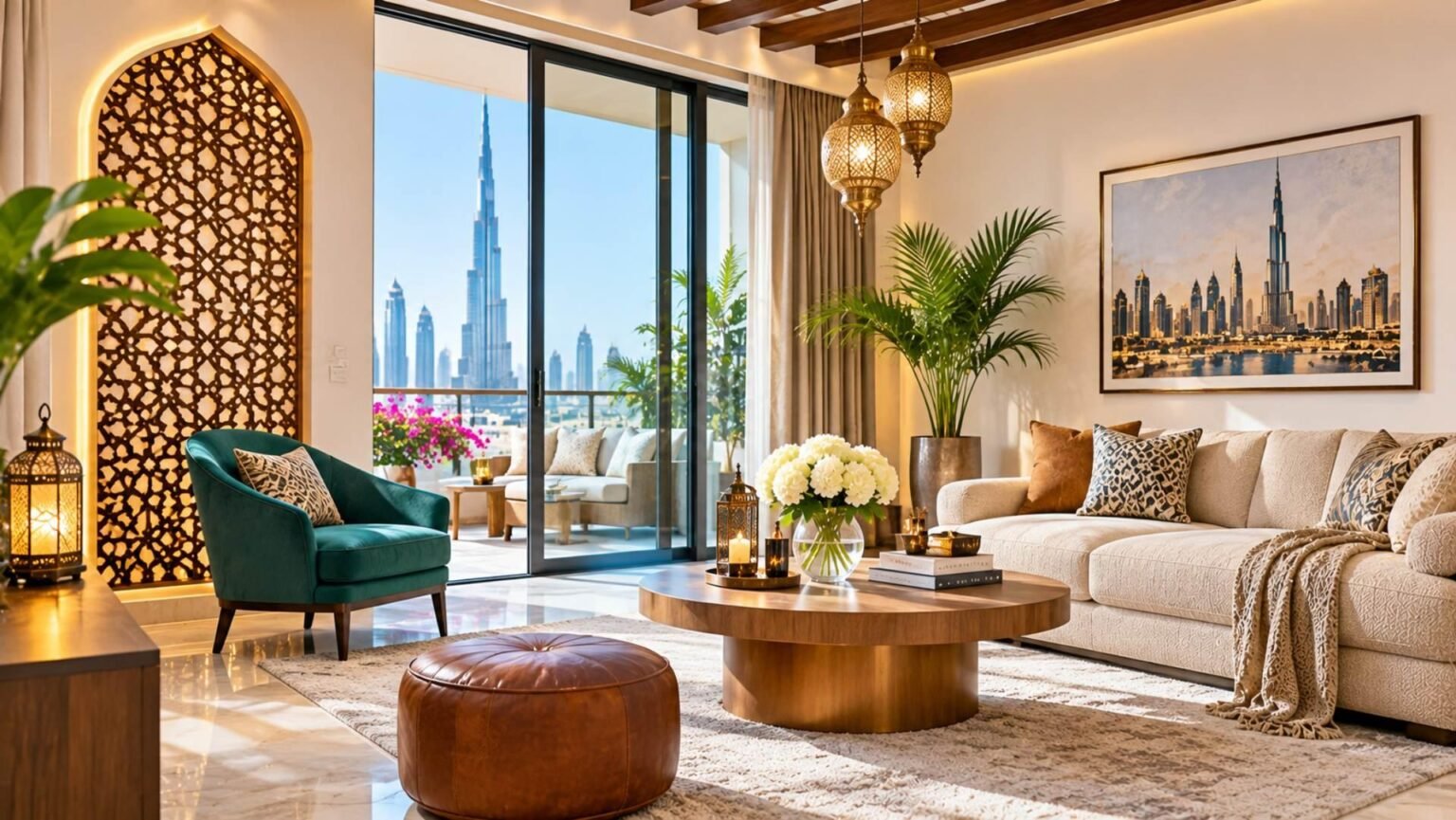
Modern Emirati interiors reflect a thoughtful relationship between cultural heritage and contemporary living. Traditional Arabic design is known for its geometric patterns, decorative details, natural materials and welcoming spaces. When combined with modern layouts, understated furnishings and practical features, these elements create homes that feel culturally meaningful without appearing outdated.
The growing interest in interior design Dubai reflects a preference for homes that balance regional identity with modern comfort. Whether updating a traditional villa or furnishing a contemporary apartment, homeowners can incorporate Arabic influences through architecture, materials, lighting and carefully selected decorative features.
What Makes Emirati Interior Design Unique?
Traditional Emirati interiors have developed around cultural customs, family relationships and the region’s climate. Privacy, hospitality and comfortable gathering spaces remain important considerations in residential design.
The majlis, a dedicated reception and gathering area, holds cultural significance in many Emirati homes. Traditionally arranged to encourage conversation and hospitality, it often features generous seating, decorative textiles and carefully considered lighting.
Arabic geometric patterns, carved wooden screens, arches and ornamental detailing also contribute to regional architectural character. These features can be adapted for contemporary spaces without reproducing every traditional element.
Understanding the purpose behind these design choices helps homeowners incorporate heritage in a respectful and practical way.
Creating a Balanced Colour Palette
Colour provides an effective starting point when combining Arabic influences with modern interior styles. Traditional regional palettes often draw inspiration from desert landscapes, natural stone, earthy materials and decorative craftsmanship. Warm neutrals such as beige, ivory, sand and soft brown create a welcoming foundation. These colours work well with contemporary furniture while allowing traditional architectural details to remain visible.
Deeper shades, including terracotta, burgundy, emerald green and muted gold, can introduce character through cushions, upholstery, rugs and smaller decorative pieces. Rather than using several strong colours throughout the property, establish a consistent base palette and introduce richer tones selectively. This approach maintains visual balance and prevents decorative features from competing for attention.
Incorporating Traditional Arabic Architectural Features
Architectural details can communicate cultural identity more effectively than excessive decoration. Arched openings, decorative wall panels and geometric screens offer opportunities to introduce Arabic design into modern homes.
A contemporary interpretation of a traditional arch can create a subtle transition between rooms. Similarly, decorative screens inspired by mashrabiya craftsmanship can provide privacy while allowing filtered light to pass through. These features should suit the property’s existing proportions and construction. Installing heavy decorative elements in smaller spaces may make rooms feel crowded.
For structural alterations, homeowners should consult qualified professionals and confirm any necessary building or community approvals before construction begins.
Selecting Materials That Connect Heritage and Modern Design
Material selection plays an important role in establishing a connection between traditional craftsmanship and contemporary interiors.
Natural stone, timber, textured plaster and woven fabrics complement Arabic-inspired design. Their varied textures introduce warmth without requiring elaborate ornamentation. Marble and stone finishes can provide a refined appearance, while timber cabinetry and decorative joinery introduce traditional character. Contemporary furniture with clean lines helps balance these more detailed surfaces.
Dubai’s climate also requires practical consideration. Strong sunlight, indoor cooling and humidity can affect certain materials over time. Choose finishes according to their intended location, maintenance requirements and suitability for local conditions. Materials used near large windows or in moisture-prone areas may require additional protection.
Designing a Contemporary Majlis
The majlis remains an important element of Emirati residential design, but its appearance can be adapted to modern lifestyles.
Contemporary majlis interiors often favour comfortable seating, uncluttered arrangements and restrained decorative details. Traditional hospitality requirements can still be respected without relying on heavily ornamented furniture.
Space planning should consider seating capacity, movement between furniture and the relationship between private and guest areas. In residential interior design Dubai, combining traditional gathering spaces with contemporary layouts requires attention to circulation, privacy and everyday comfort.
Soft furnishings, patterned cushions and carefully selected artwork can introduce cultural character while maintaining a calm atmosphere. Lighting should also support different activities, from family gatherings to formal hospitality, without creating excessive glare.
Practical Ways to Combine Traditional and Modern Elements
Achieving a balanced interior requires thoughtful decisions rather than adding decorative features without a clear purpose.
The following considerations can help homeowners maintain consistency:
Choose a clear focal point: Use a decorative screen, Arabic-inspired artwork or architectural feature as the room’s main visual element.
Balance detailed and simple surfaces: Pair patterned tiles or carved timber with plain walls and contemporary furnishings.
Maintain comfortable proportions: Select furniture that suits the room’s dimensions and allows easy movement.
Introduce traditional textiles selectively: Use woven fabrics, rugs and embroidered cushions to add texture without overwhelming the space.
Consider lighting carefully: Combine natural daylight with ambient and focused lighting to highlight important design details.
Prioritise practical maintenance: Select surfaces and furnishings that suit household routines and cleaning requirements.
These decisions help establish a consistent appearance while allowing individual cultural features to stand out.
Using Lighting to Highlight Arabic Design
Lighting can strengthen the connection between architectural heritage and contemporary design.
Traditional Arabic interiors frequently incorporate decorative lanterns and patterned light effects. Modern interpretations can achieve a similar atmosphere through pendant lighting, wall fixtures and concealed illumination. Warm lighting can emphasise timber textures, stone finishes and decorative wall features. Adjustable lighting also allows rooms to accommodate different activities and preferences.
Natural daylight should be managed carefully, especially where large windows receive prolonged direct sunlight. Curtains, blinds and suitable window treatments can improve privacy and reduce unwanted glare while preserving the overall design.
Avoiding Common Interior Design Mistakes
One common mistake is introducing too many traditional patterns, colours and decorative elements into the same room. Although individual features may be attractive, excessive combinations can weaken the overall appearance.
Another issue is prioritising visual style over practical requirements. Furniture dimensions, storage, privacy and maintenance should be considered before finalising decorative choices. Homeowners should also avoid treating Arabic design as a single decorative style. Emirati heritage has its own architectural traditions, social customs and regional influences.
For extensive renovations, an experienced interior designer can assist with space planning, material coordination, technical drawings and the integration of culturally appropriate details.
Closing Thoughts
Modern Emirati interiors work best when cultural heritage and contemporary design support each other. Thoughtful colours, traditional architectural features, natural materials and practical layouts can create comfortable homes with a strong sense of identity.
When planning interior design Dubai, begin with the household’s functional needs and introduce heritage-inspired elements gradually. Prioritise quality materials, balanced proportions and culturally meaningful details to achieve an interior that remains practical and visually consistent.