


Are you running a business in Perth that relies on efficient material handling? Have you ever found yourself stuck on a job site, watching precious time tick away while waiting for materials to be unloaded? Or perhaps you’re wondering whether your current trailer setup is actually costing you money rather than making it?
Choosing the right side tipper trailer isn’t just about picking the shiniest option on the lot. It’s a decision that affects your daily operations, your bottom line, and ultimately, your business’s success. Whether you’re in mining, construction, agriculture, or waste management, the trailer you choose becomes an essential part of your workflow. Get it right, and you’ll see improved productivity and happier crews. Get it wrong, and you’ll be dealing with constant headaches, delays, and unexpected costs.
In this guide, we’ll walk you through everything you need to know about selecting the perfect side tipper trailer for your Perth operations. From understanding how these trailers work to exploring costs, maintenance requirements, and compliance regulations in Western Australia, we’ve got you covered. By the time you finish reading, you’ll have the knowledge to make a confident, informed decision that suits your specific business needs.
What Is a Side Tipper Trailer and How Does It Work?
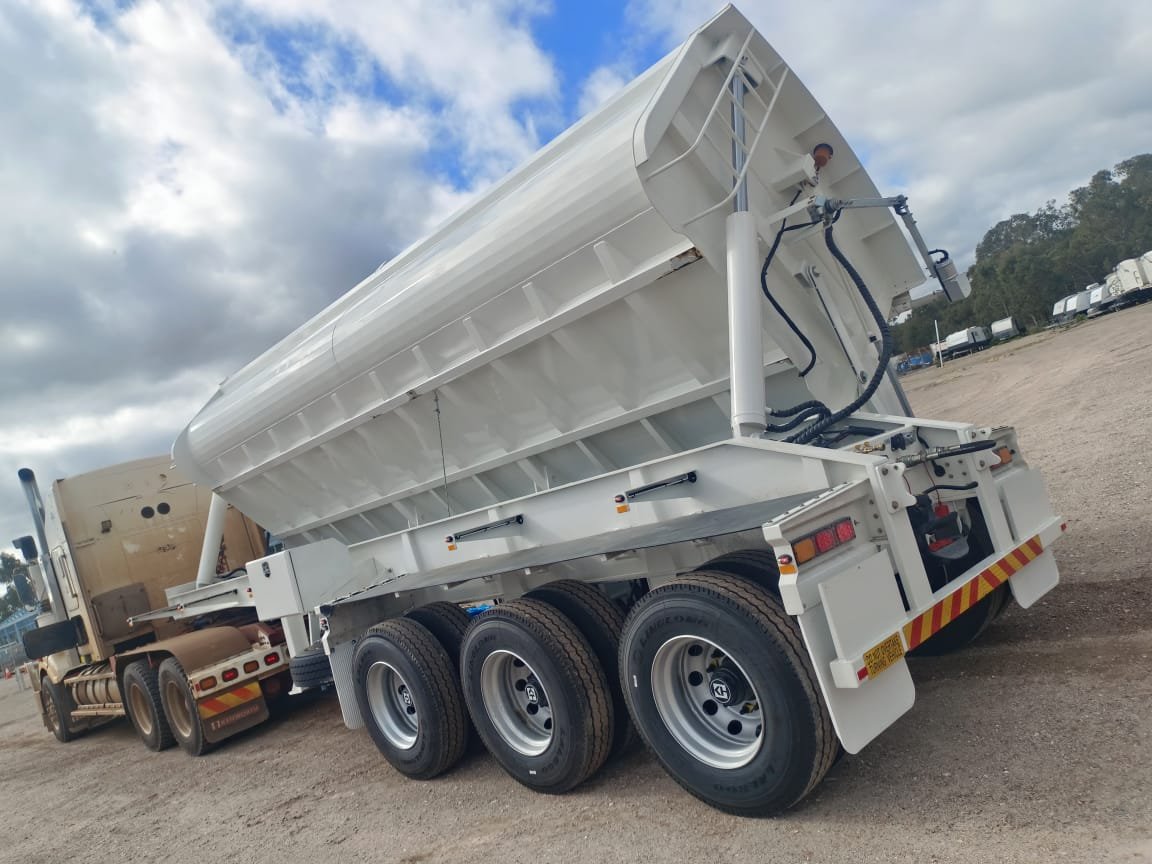
A side tipper trailer is exactly what it sounds like—a trailer designed to tip its load out from the side rather than the rear. This design feature makes it incredibly useful for specific applications where space is limited or where materials need to be deposited along a linear path, like alongside a trench or road edge.
Key Components of a Side Tipper Trailer
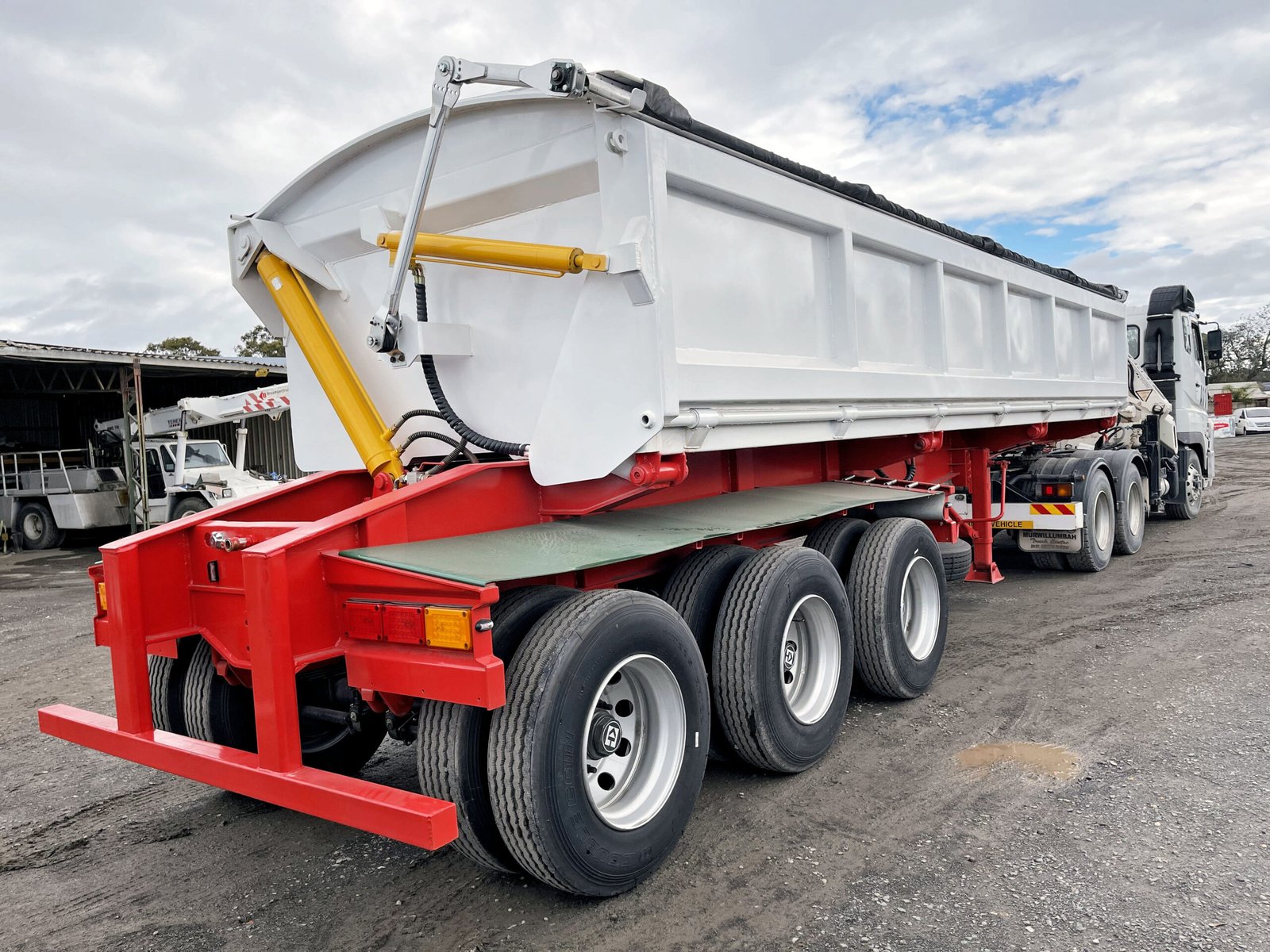
The main components include a sturdy bin or body mounted on a chassis, hydraulic rams that power the tipping mechanism, and a suspension system designed to handle heavy loads. The hydraulic system is the heart of the operation, allowing operators to control the tipping angle and speed with precision. Most modern side tippers also feature reinforced floors and sides to withstand the impact of loading with excavators or front-end loaders.
Side Tipper vs Rear Tipper: Which Is Better for Your Needs?
The choice between side and rear tippers depends largely on your specific applications. Rear tippers work well when you’ve got plenty of space behind the vehicle and need to dump materials in a pile. Side tippers, on the other hand, excel when working in tight spaces or when you need to spread materials along a strip. For many Perth businesses working on roadworks or in confined mining areas, side tippers offer the flexibility that rear tippers simply can’t match.
What Are the Benefits of Using a Side Tipper Trailer?
Improved Unloading Efficiency on Perth Job Sites
Time is money, and side tippers save plenty of both. The ability to unload from the side means drivers can position themselves parallel to the drop zone, reducing the need for complex manoeuvring. On busy Perth construction sites where space is at a premium, this translates to faster turnaround times and more loads delivered per day.
Enhanced Safety Features for Australian Conditions
Safety is paramount in any industry, and side tippers offer some distinct advantages here. The lower centre of gravity during tipping reduces rollover risks compared to rear tippers on uneven terrain. Many modern models also include stability systems and graduated tipping controls, giving operators greater confidence in challenging conditions.
Versatility Across Industries
From carting grain in the Wheatbelt to hauling ore in the Pilbara, side tippers prove their worth across multiple sectors. Their ability to handle various materials—from bulk commodities to aggregates and waste—makes them a versatile investment for businesses with diverse hauling needs.
What Size Side Tipper Trailer Do I Need?
Understanding Payload Capacity Requirements
Before you start shopping, take a good look at what you’ll be hauling most frequently. Different materials have different densities, meaning a trailer that’s perfect for lightweight mulch might be undersized for heavy iron ore. Calculate your typical load weights and add a buffer for flexibility.
Matching Trailer Size to Your Truck and Operations
Your prime mover’s capacity sets the upper limit for what you can tow. There’s no point buying a massive trailer if your truck can’t legally or safely pull it. Consider factors like Gross Combination Mass ratings, axle configurations, and the routes you’ll typically travel.
Common Sizes Available in the Australian Market
In Australia, side tipper trailers typically range from single-axle units carrying around 20 tonnes to road train configurations capable of hauling well over 100 tonnes across multiple trailers. For most Perth-based operations, semi-trailer configurations with payloads between 30 and 45 tonnes hit the sweet spot between capacity and manoeuvrability.
What Industries Use Side Tipper Trailers in Perth?
Perth’s diverse economy creates demand for side tippers across multiple sectors. Mining and resources operations in WA rely heavily on these trailers for moving bulk materials. Construction and civil works projects use them for aggregate delivery and spoil removal. Agriculture benefits from their efficiency in grain transport, while waste management companies appreciate their versatility in handling various refuse types.
Key Features to Look for When Buying a Side Tipper Trailer
Build Quality and Materials
Look for high-tensile steel construction and quality welding throughout. The body should withstand years of loading and unloading without developing cracks or fatigue points. Pay attention to wear plates in high-impact areas and check the chassis integrity carefully.
Hydraulic System Reliability
The hydraulic system should feature quality components from reputable manufacturers. Check ram specifications, pump capacity, and the control system’s responsiveness. A reliable hydraulic setup means fewer breakdowns and consistent performance.
Tipping Mechanism and Angle
The tipping angle affects how completely materials discharge. Most side tippers achieve angles between 45 and 55 degrees. Consider what materials you’ll carry—sticky clay requires steeper angles than free-flowing grain.
Compliance with Australian Standards
Make sure any trailer you’re considering meets Australian Design Rules and carries appropriate compliance plates. Non-compliant trailers can result in fines and insurance headaches.
Should I Buy or Hire a Side Tipper Trailer?
When Purchasing Makes Financial Sense
If you’ll use the trailer regularly over several years, purchasing often makes better financial sense. You’ll build equity in an asset while having equipment available whenever needed.
Benefits of Hiring for Short-Term Projects
For one-off projects or seasonal peaks, hiring provides flexibility without long-term commitment. You avoid maintenance responsibilities and can access different configurations as needed.
Calculating Total Cost of Ownership
Factor in purchase price, financing costs, insurance, registration, maintenance, and eventual resale value when comparing buying versus hiring. Sometimes the numbers favour options you wouldn’t initially expect.
Maintenance Tips to Extend Your Side Tipper Trailer’s Lifespan
Regular maintenance keeps your trailer working reliably and holds its resale value. Create an inspection checklist covering hydraulic fluid levels, ram seals, structural integrity, and braking systems. Address minor issues before they become expensive repairs. Finding a reliable service provider in Perth who specialises in trailer maintenance ensures you’ve got expert support when needed.
Compliance and Regulations for Side Tipper Trailers in Western Australia
Operating in WA means adhering to specific weight limits and road regulations. Main Roads WA sets maximum mass limits depending on axle configurations and route classifications. Regular inspections and certifications keep your operation legal and safe. Stay informed about any regulatory changes that might affect your operations.
Making the Right Investment for Your Perth Business
Choosing the right side tipper trailer comes down to understanding your specific needs and matching them with the right equipment. We’ve covered the essentials—from how these trailers work to the costs involved, the industries that rely on them, and the features that matter most.
The key takeaway? Don’t rush this decision. Take time to assess your payload requirements, consider your typical operating conditions, and factor in the total cost of ownership. Visit suppliers, inspect trailers in person, and ask plenty of questions. The right side tipper will serve your business reliably for years, while the wrong choice will cause ongoing frustration.
Whatever sector you’re working in across Perth, a well-chosen side tipper trailer can transform your material handling efficiency. So go ahead, do your research, crunch the numbers, and invest in equipment that’ll help your business thrive. Your future self will thank you for making a smart, informed decision today.