


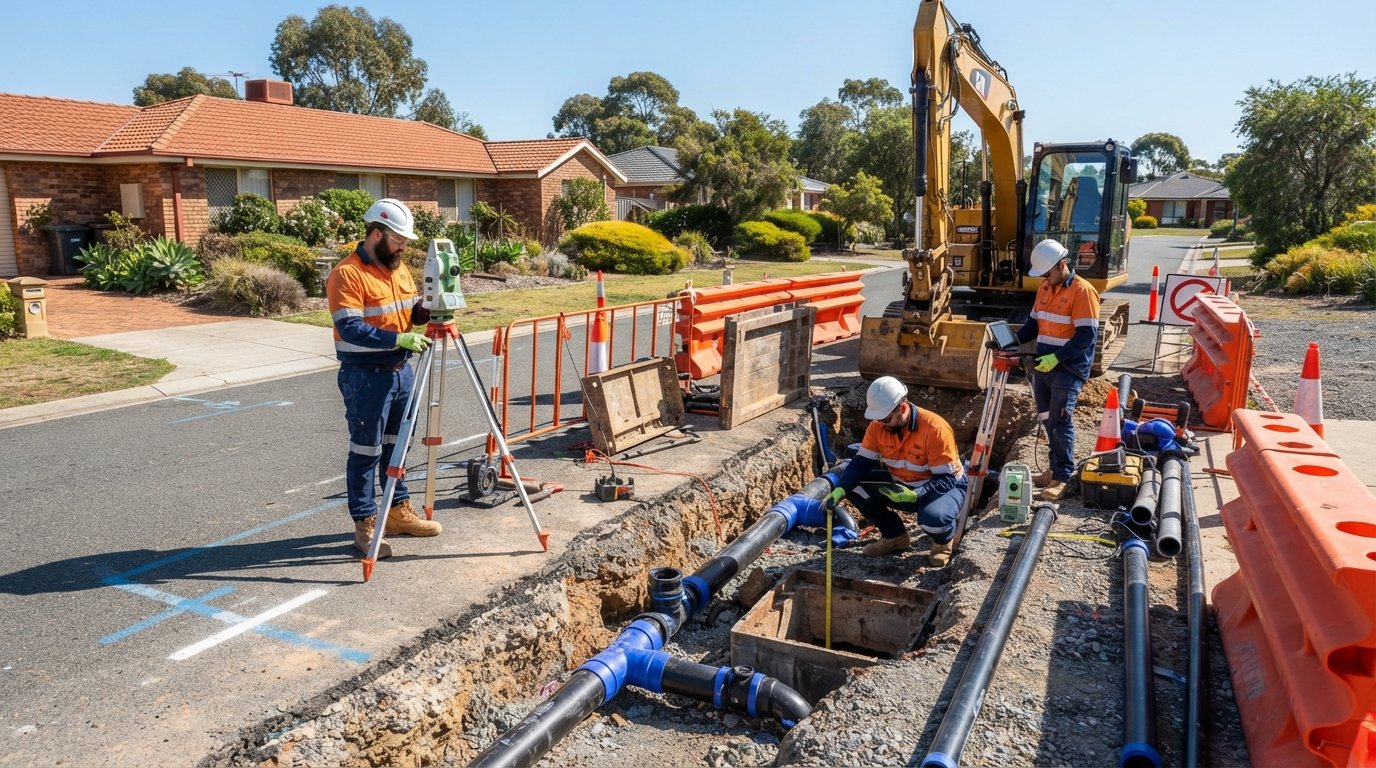
Construction plumbing is the backbone of any new building, whether it’s a suburban home, a high-rise office tower, or a regional school. In Australia, the climate, local regulations, and the growing focus on sustainability all shape how plumbing systems are designed, installed, and maintained. This guide walks you through the essential steps, standards, and practical tips that keep your plumbing running smoothly for decades. By following these best practices, you’ll reduce costly repairs, stay compliant with Australian law, and deliver a safe, efficient water network that meets the expectations of homeowners, developers, and regulators alike.
Understanding Construction Plumbing in Australia
Definition and Scope
Construction plumbing covers the entire lifecycle of water, gas, and waste systems in a new building. It includes planning, design, material selection, installation, testing, and hand-over to the owner. In the Australian context, this also means aligning with national standards, state regulations, and local council requirements that govern everything from pipe diameters to back-flow prevention.
Key Australian Standards
The most referenced standard is AS/NZS 3500, which outlines the design and installation of water services, sanitary plumbing, and gas systems. Other important references include:
- AS 3959 –Construction of buildings in bushfire-prone areas (affects pipe routing and material choice).
- AS 2419 –Fire hydrant systems (relevant for large commercial projects).
- National Construction Code (NCC) – Sets performance requirements for plumbing fixtures and water efficiency.
Planning and Design Best Practices
Site Assessment and Soil Considerations
Before any pipe is laid, a thorough site survey is essential. Australian soils vary dramatically—from the expansive clays of Victoria to the sandy loams of Queensland. Conducting a geotechnical report helps identify potential ground movement, corrosion risk, and the need for protective bedding. In coastal regions, salt-laden air can accelerate metal corrosion, so selecting corrosion-resistant materials becomes a priority.
System Layout and Pipe Sizing
A well-planned layout reduces pressure loss, minimizes pipe length, and eases future maintenance. Use hydraulic modelling software to size pipes according to peak demand, which is often higher in Australian homes during summer when outdoor showers and irrigation are common. Remember to allocate separate risers for hot and cold water to meet NCC requirements for temperature control.
Sustainable Materials and Water Efficiency
Australia’s water scarcity in many states drives the adoption of water-saving fixtures and recyclable piping. Consider the following:
- Polypropylene (PP) and cross-linked polyethylene (PEX) for flexibility and resistance to corrosion.
- Dual-flush toilets and low-flow taps to meet the Water Efficiency Labelling and Standards (WELS) scheme.
- Rainwater harvesting systems integrated into the plumbing design, especially in South Australia and Western Australia.
Installation Techniques for Longevity
Excavation and Trenching
Proper trenching protects pipes from external loads. In Australia, it is common to use a minimum 300 mm cover for domestic water lines, increasing to 600 mm for gas mains. Use sand bedding and compacted backfill to avoid settlement. In areas prone to frost, such as the Australian Alps, deeper trenches prevent pipe freeze.
Jointing Methods and Sealants
Choosing the right jointing method is critical for durability. For copper pipes, soldered joints remain reliable, but many contractors now prefer press-fit fittings for speed and consistency. When using PEX, push-fit or clamp-fit connections provide a watertight seal without the need for adhesives. Always verify that sealants are approved under AS/NZS 3500 to avoid chemical incompatibility.
Testing and Commissioning
After installation, conduct pressure testing at 1.5 times the design pressure for at least 30 minutes. Use air or water testing according to the relevant standard. Document all test results and hand them to the client and the local council as part of the final inspection package.
Common Challenges and How to Overcome Them
Corrosion and Material Degradation
In coastal towns like Perth and Brisbane, salt spray can corrode steel and copper. Mitigate this by using stainless-steel fittings or protective sleeves, and by applying anti-corrosion coatings approved for Australian conditions.
Ground Movement and Earthquake Zones
While Australia is not known for high seismic activity, certain regions such as the Adelaide Hills experience minor tremors. Flexible pipe materials like PEX and proper expansion joints accommodate slight ground shifts, reducing the risk of pipe rupture.
Managing Legacy Infrastructure
Renovating older buildings often means interfacing new construction plumbing with legacy systems that may not meet current standards. Conduct a detailed audit, replace outdated asbestos-capped pipes, and use transition fittings that comply with modern codes.
Choosing the Right Contractors and Suppliers
Vetting Criteria
When selecting a plumbing contractor, look for:
- Current licence with the state plumbing board.
- Experience with AS/NZS 3500 and NCC compliance.
- Positive references from recent residential or commercial projects.
Ability to provide a detailed project schedule and cost breakdown.
Leading Australian Providers
Some well-known suppliers of plumbing materials across Australia include:
- Reece – offers a wide range of PEX, copper, and PVC products.
- Tradelink – provides certified fittings and compliance documentation.
- Bunnings Warehouse – a convenient source for smaller projects and DIY supplies.
Maintenance and Future-Proofing
Routine Checks
Even the best-installed system needs regular inspection. Schedule annual visual checks for leaks, corrosion, and water pressure. In multi-storey buildings, inspect fire-rated pipe sections and back-flow preventers to ensure they remain functional.
Smart Monitoring Systems
IoT water-monitoring devices are gaining popularity in Australian homes and commercial properties. These sensors detect abnormal flow patterns, alerting owners to leaks before they cause major damage. Integrating such technology can also help meet the NCC’s energy-efficiency targets.
Questions and Answers: Common Questions About Construction Plumbing in Australia
Q: What licences are required for a plumber to work on construction projects in Australia?
A: Plumbers must hold a valid licence issued by the state or territory plumbing authority, such as the NSW Fair Trading licence or the Victorian Building Authority licence. For large construction projects, a contractor may also need a Class 2 or Class 3 plumbing licence, which covers commercial and high-rise installations.
Q: How does the Water Efficiency Labelling and Standards (WELS) scheme affect new builds?
A: WELS rates fixtures based on water usage. New residential and commercial buildings must install fixtures that meet at least a 4-star rating for showers, taps, and toilets. This requirement helps reduce overall water consumption and can earn developers points toward sustainability certifications.
Conclusion: Your Path to a Successful Construction Plumbing in Australia
By understanding the unique Australian regulations, selecting appropriate materials, and following proven installation techniques, you can deliver construction plumbing systems that stand the test of time. Start with a thorough site assessment, design to AS/NZS 3500 and NCC standards, and involve licensed contractors who understand local council processes. Incorporate sustainable fixtures and smart monitoring to future-proof your project and meet water-efficiency goals. Finally, schedule regular maintenance and keep detailed documentation to ensure long-term performance and compliance. With these steps, you’ll build reliable, cost-effective plumbing infrastructure that supports the needs of homeowners, businesses, and communities across Australia.