

For many people, allergies feel like a constant battle. Sneezing, itchy eyes, congestion, and fatigue can turn everyday life into a struggle. While outdoor pollen often receives most of the attention, indoor air can contain just as many allergens.
Inside homes, dust mites, pet dander, mold spores, and pollen particles circulate through the air. These microscopic irritants settle on furniture, carpets, bedding, and even clothing. Over time, they accumulate and continue to trigger symptoms.
Fortunately, there are effective ways to improve indoor air quality and reduce these irritants. One of the most powerful tools available today is an air purifier. When used properly, it can help people take a break from your allergies with an air purifier and create a cleaner indoor environment.
This guide explores how air purifiers work, the benefits they offer for allergy sufferers, and how to choose the best one for your home.
1. The Hidden Allergens Lurking Inside Your Home
Many homeowners assume allergies come primarily from outdoor sources such as pollen or seasonal plants. However, research consistently shows that indoor allergens often play an even larger role in triggering symptoms.
Indoor air pollutants accumulate over time because modern homes are designed to be energy-efficient. While sealed windows and insulation help maintain indoor temperatures, they also limit natural airflow.
Common indoor allergens include:
- Dust mites that live in bedding and carpets
- Pet dander from cats and dogs
- Mold spores in damp areas
- Pollen that enters through windows or clothing
- Fine dust particles from everyday activities
These particles remain suspended in the air and circulate throughout the home through ventilation systems. As a result, allergy sufferers may experience symptoms even indoors.
Air purifiers help remove these airborne irritants before they settle on surfaces or reach your breathing space.
2. How Air Purifiers Improve Indoor Air Quality
Air purifiers are designed to remove harmful particles from indoor air. They work by drawing air through specialized filters that capture dust, allergens, and other airborne contaminants.
Once the air passes through the filtration system, cleaner air is returned to the room. Over time, this process significantly reduces the number of allergens circulating inside the home.
High-quality air purifiers often use multi-stage filtration systems. These systems capture particles of different sizes, ensuring a broader range of contaminants is removed.
Typical air purifier filtration systems include:
- Pre-filters that capture large dust particles
- HEPA filters that trap fine allergens and pollen
- Carbon filters that help remove odors and chemical particles
These filtration stages work together to create a cleaner breathing environment. As the purifier continuously circulates air, indoor air quality gradually improves.
Many households report noticeable relief from allergies after installing an air purifier in frequently used rooms.
3. Key Benefits of Using an Air Purifier for Allergy Relief
Air purifiers offer several advantages for individuals who struggle with allergies or respiratory sensitivity. By improving indoor air quality, they create a healthier living space.
One of the most important benefits is the reduction of airborne allergens. By removing particles such as pollen and pet dander, air purifiers help reduce exposure to common allergy triggers.
Additional benefits include:
- Improved sleep due to cleaner air
- Reduced dust accumulation in living areas
- Better breathing comfort for allergy sufferers
- Lower risk of irritation for asthma patients
Many homeowners also notice that rooms feel fresher when air purifiers are operating regularly.
When used consistently, air purifiers can help people take a break from their allergies and experience noticeable relief from daily symptoms.
4. Choosing the Right Air Purifier for Your Home
Not all air purifiers perform the same. Choosing the right model requires understanding several important factors that influence performance.
One key consideration is room size. Air purifiers are designed to clean specific areas based on airflow capacity. Selecting a purifier that matches the size of your room ensures efficient operation.
Other important factors include filtration technology and noise levels.
When evaluating air purifiers, homeowners should consider:
- HEPA filtration capability
- Clean Air Delivery Rate (CADR)
- Room coverage area
- Filter replacement frequency
- Noise levels during operation
Models with HEPA filters are widely recommended for allergy sufferers because they capture extremely small airborne particles.
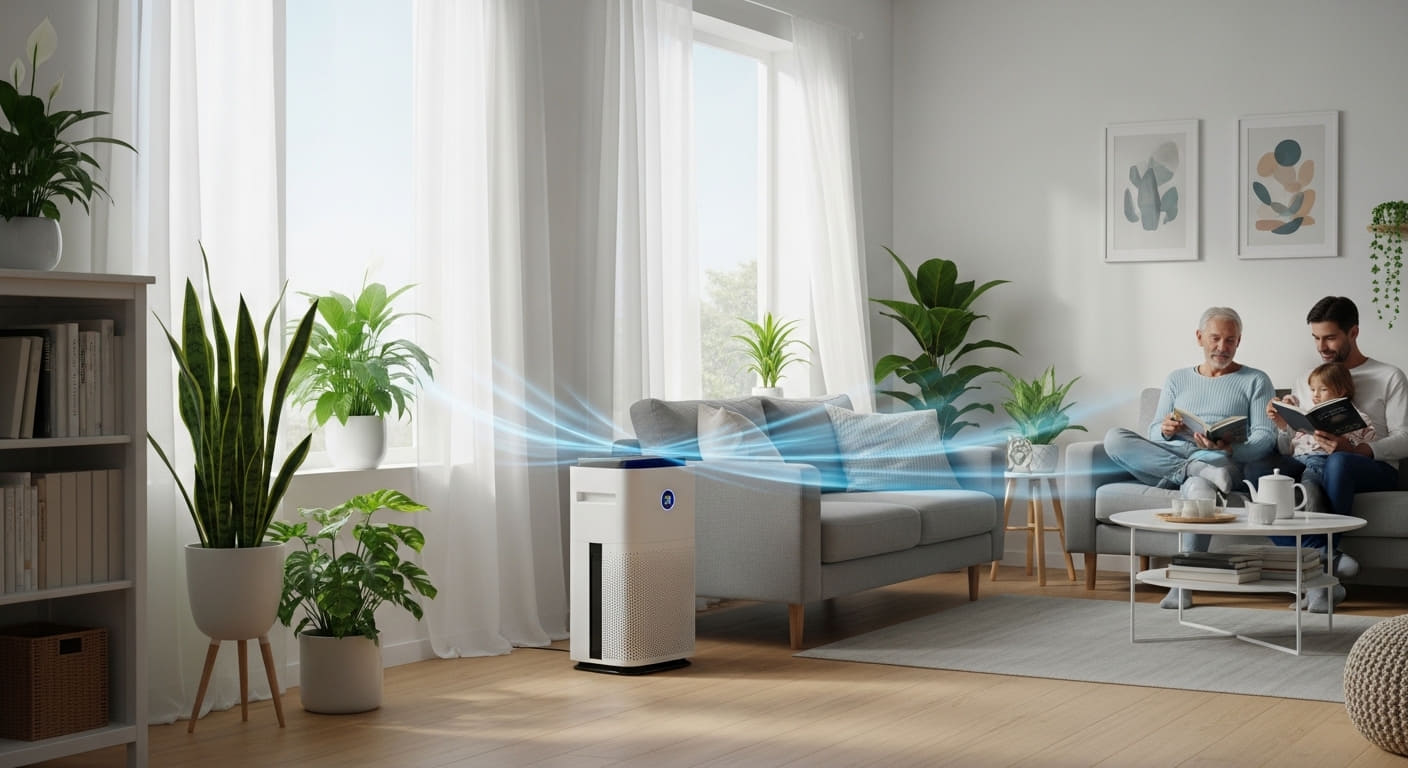
Placing air purifiers in bedrooms, living rooms, and frequently used areas provides the most noticeable improvement in air quality.
5. Where to Place Air Purifiers for Maximum Effectiveness
Proper placement plays a major role in how effectively an air purifier improves indoor air quality. Simply purchasing the device is not enough; positioning it correctly ensures optimal airflow and filtration.
Air purifiers work best in areas where people spend the most time. Bedrooms, living rooms, and home offices are ideal locations.
When placing an air purifier, it is important to allow sufficient space around the device so air can circulate freely.
Recommended placement strategies include:
- Position the purifier near the center of the room
- Avoid placing it behind furniture or curtains
- Keep doors and windows closed during operation
- Place units near allergy-sensitive areas like beds or couches
These placement techniques allow the purifier to circulate air more efficiently and remove allergens faster.
6. Combining Air Purifiers with Other Allergy Control Strategies
While air purifiers are powerful tools, they work best when combined with other allergy management practices. A comprehensive approach to indoor air quality produces the best results.
Regular cleaning helps prevent dust and allergens from accumulating inside the home. Vacuuming carpets and cleaning surfaces reduces the number of particles that can become airborne.
Additional allergy reduction strategies include:
- Washing bedding weekly in hot water
- Using allergen-resistant mattress covers
- Keeping humidity levels balanced to prevent mold growth
- Grooming pets regularly to reduce dander
Ventilation also plays an important role. Opening windows occasionally allows fresh air to circulate and reduce indoor pollutant levels.
When combined with air purification, these practices create a healthier indoor environment.
7. Air Purifiers and HVAC Systems: Working Together for Cleaner Air
Air purifiers complement home heating and cooling systems by improving overall air quality. HVAC systems circulate air throughout the home, while purifiers filter contaminants from the air inside individual rooms.
In some cases, homeowners may evaluate indoor air problems alongside heating system performance. For example, poor airflow or outdated equipment may affect air circulation.
This is where considerations such as heating repairs vs a heating system replacement may arise. Efficient heating systems with clean filters can improve air movement and help distribute purified air more effectively.
Combining modern HVAC systems with high-quality air purifiers creates a powerful indoor air quality solution.
Together, they help maintain comfortable temperatures while keeping airborne allergens under control.
8. Maintaining Your Air Purifier for Long-Term Performance
Like any home appliance, air purifiers require regular maintenance to operate effectively. Filters gradually collect dust and allergens, which means they must be replaced periodically.
Ignoring filter replacement can reduce airflow and limit the purifier’s ability to clean the air.
Proper air purifier maintenance includes:
- Replacing HEPA filters according to manufacturer recommendations
- Cleaning pre-filters regularly
- Keeping air intake vents free from dust
- Monitoring filter replacement indicators
Maintaining the purifier ensures it continues removing allergens effectively.
With proper care, air purifiers can provide years of improved indoor air quality.
Final Thoughts
Indoor air quality plays a critical role in managing allergy symptoms. While outdoor allergens are unavoidable, homeowners can take meaningful steps to improve indoor air quality.
Air purifiers offer a powerful solution for reducing airborne allergens such as dust, pollen, and pet dander. When combined with good cleaning habits and proper ventilation, they create a healthier living environment. For many people, installing an air purifier allows them to take a break from their allergies and enjoy noticeable relief from everyday discomfort.
By understanding how air purifiers work and integrating them into a broader indoor air quality strategy, homeowners can breathe easier and maintain a cleaner, healthier home.