


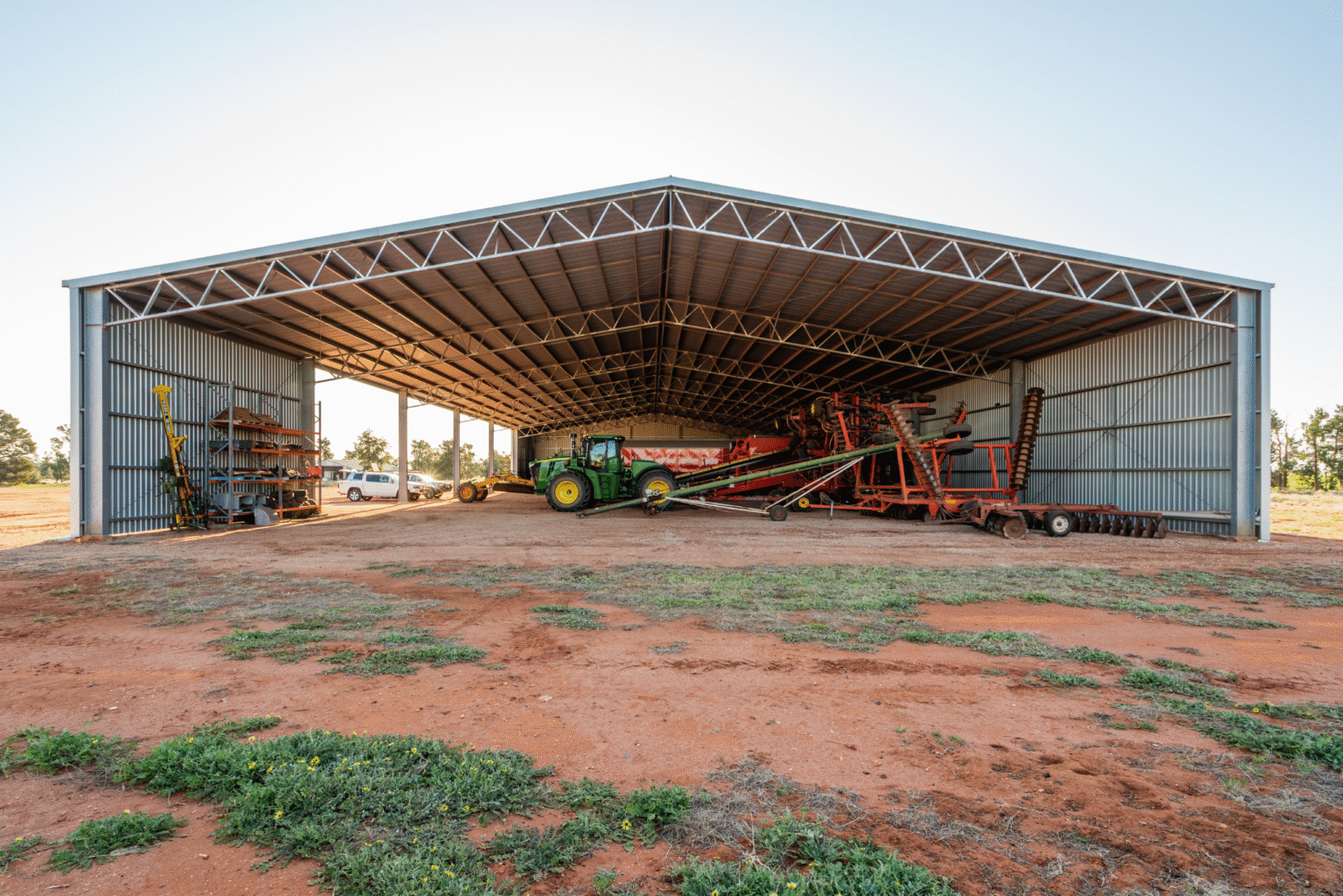
Ever walked into your machinery shed and noticed a small rust patch you’re sure wasn’t there last month? Or perhaps you’ve spotted a mysterious puddle forming near your expensive equipment after heavy rain? These little warning signs might seem minor, but they can quickly snowball into costly repairs if left unchecked.
Your machinery shed is more than just a roof over your tractors and harvesters. It’s a crucial investment that protects thousands of dollars worth of farm equipment from the harsh Australian climate. From scorching summer heat to torrential downpours, your shed works hard every single day. Yet, it’s often the most neglected structure on the property.
In this guide, we’ll walk you through everything you need to know about keeping your machinery sheds melbourne. You’ll discover how often to inspect different components, learn to spot early warning signs of damage, and pick up practical tips for preventing weather-related issues. We’ll also cover flooring care, pest control, ventilation, and cost-effective strategies that won’t break the bank. Whether you’ve got a brand-new steel shed or an older structure that’s seen better days, these tips will help extend its lifespan and protect your valuable equipment for years to come.
Understanding Your Machinery Shed’s Structure
Before diving into maintenance tasks, it’s worth understanding what you’re actually looking after. Most Australian machinery sheds share common structural elements that require regular attention.
Key Components That Require Regular Attention
The main components include the frame (usually steel portal frames or columns), wall cladding, roofing sheets, gutters and downpipes, concrete flooring, and doors. Each element plays a vital role in protecting your equipment. The frame provides structural integrity, whilst the cladding and roofing keep the elements out. Gutters direct water away from the foundation, and the concrete floor supports heavy machinery.
Common Materials Used in Australian Machinery Sheds
Steel dominates the Australian shed market due to its durability and resistance to termites. Colorbond steel is particularly popular for roofing and cladding thanks to its corrosion-resistant coating. However, even quality steel needs proper care. Concrete floors, while incredibly tough, can develop cracks over time. Understanding these materials helps you maintain them properly and spot issues early.

How Often Should You Inspect Your Machinery Shed?
Regular inspections are your first line of defence against major repairs. But how often should you actually check things over?
Creating a Seasonal Maintenance Schedule
A good rule of thumb is conducting thorough inspections four times yearly—at the start of each season. Spring inspections should focus on clearing winter debris and checking for storm damage. Summer checks involve ensuring ventilation is adequate. Autumn is perfect for preparing drainage systems for winter rains, whilst winter inspections focus on roof integrity and leak prevention.
What to Look for During Routine Inspections
During each inspection, look for loose or missing fasteners, rust spots, cracks in concrete, blocked gutters, and signs of pest activity. Check that doors operate smoothly and that there’s no visible daylight through gaps in the cladding. Document any issues you find—photos on your phone work brilliantly for tracking changes over time.
Protecting Your Shed from Weather Damage
Australian weather doesn’t mess about. From cyclones up north to frost down south, your shed faces serious challenges throughout the year.
Preparing for Extreme Australian Weather Conditions
Before storm season hits, secure any loose items inside and outside the shed. Check that all fasteners are tight and replace any that show signs of wear. If you’re in a cyclone-prone area, make sure your shed meets current building codes. Consider installing cyclone shutters for additional protection during severe weather events.
Roof Maintenance and Leak Prevention
Your roof takes the biggest beating from the elements. Inspect it twice yearly, looking for lifted sheets, deteriorating sealant around penetrations, and accumulated debris. Clear leaves and branches regularly—they hold moisture against the metal and accelerate corrosion. Replace worn washers on roofing screws, as these are often the culprits behind annoying leaks.
Managing Rust and Corrosion on Steel Sheds
Rust is the enemy of steel sheds. Catch it early by looking for discolouration, bubbling paint, or flaking metal. Small rust spots can be treated with a wire brush, rust converter, and touch-up paint. For larger areas, you might need to replace entire sheets. Coastal properties face higher corrosion risks, so opt for marine-grade fasteners and more frequent inspections.
What Are the Signs Your Machinery Shed Needs Repairs?
Knowing when to act can save you thousands in the long run.
Structural Warning Signs You Shouldn’t Ignore
Watch for doors that suddenly stick or won’t close properly—this often indicates frame movement. Cracks in concrete floors, especially those that widen over time, suggest foundation issues. Sagging roof lines, leaning walls, or gaps appearing between components all warrant immediate attention. Strange creaking noises during wind events shouldn’t be dismissed either.
When to DIY vs When to Call a Professional
Minor tasks like clearing gutters, tightening fasteners, and touching up paint are perfectly suitable for DIY. However, structural repairs, electrical work, and roof replacements should involve qualified professionals. If you’re unsure about the severity of an issue, getting a professional assessment is always the safer choice. It’s better to spend a bit on expert advice than risk a major failure.
Flooring and Foundation Maintenance
The floor of your machinery sheds supports massive weights and endures constant abuse from heavy equipment and chemical spills.
Concrete Floor Care and Crack Prevention
Seal your concrete floor with a quality penetrating sealer to prevent moisture absorption and staining. Clean up oil and chemical spills promptly—they can degrade concrete over time. Small cracks should be filled with appropriate concrete repair products before they expand. For high-traffic areas, consider applying an epoxy coating for extra durability.

Dealing with Drainage Issues
Poor drainage causes a host of problems, from puddles to foundation erosion. Make sure the ground slopes away from your shed on all sides. Keep drainage channels clear of debris and check that stormwater flows freely during heavy rain. If water consistently pools near your shed, you may need to install additional drainage solutions like agricultural pipes or French drains.
How Do You Keep a Machinery Shed Clean and Organised?
A clean, well-organised shed isn’t just pleasant to work in—it’s safer and helps you spot maintenance issues faster.
Storage Solutions for Farm Equipment
Install heavy-duty shelving for smaller items and use wall-mounted racks for tools and hoses. Designate specific areas for different equipment types and stick to the system. Consider painting parking spots on the floor for larger machinery. Good organisation also improves airflow around stored equipment, reducing moisture-related problems.
Pest Prevention and Control Strategies
Rodents and birds love sheds. They cause damage to wiring, contaminate surfaces, and create fire hazards with nesting materials. Seal gaps around doors and where services enter the building. Remove food sources and nesting materials regularly. Set traps or use bait stations as needed, and consider installing bird deterrents if feathered visitors become problematic.
Ventilation and Climate Control
Proper ventilation often gets overlooked, but it’s absolutely critical for protecting both your shed and its contents.
Why Proper Airflow Prevents Costly Problems
Good airflow reduces heat buildup in summer and prevents moisture from condensing on cold surfaces in winter. This protects both the shed structure and the equipment stored inside. Stagnant air accelerates rust formation and creates uncomfortable working conditions. Ridge vents, wall vents, and whirlybirds all help maintain healthy airflow.
Reducing Condensation and Moisture Build-Up
Condensation occurs when warm, moist air meets cold surfaces. This is particularly problematic during temperature swings. Anti-condensation blankets under roofing sheets can help, as can maintaining consistent ventilation. Avoid storing wet equipment or damp materials inside, and use dehumidifiers in problem areas if necessary.
Door and Access Point Maintenance
Doors are the most-used components of your shed and often the first things to develop problems.
Roller Door Servicing Tips
Lubricate roller door tracks and springs every six months using a silicone-based lubricant. Check tension springs for wear and replace them before they fail completely—a snapped spring can cause serious injury. Clean tracks regularly to remove dirt and debris that cause binding. If doors become difficult to operate, address the issue promptly to prevent motor burnout on automatic systems.
Maintaining Locks and Security Features
Security hardware protects your valuable equipment from theft. Inspect locks regularly and lubricate mechanisms to prevent seizing. Test alarm systems monthly and replace backup batteries annually. Consider upgrading to smart locks or monitored security systems for added peace of mind, especially in remote locations.
Can Regular Maintenance Extend the Life of Your Machinery Shed?
Absolutely. A well-maintained shed can easily last 30-50 years, whilst a neglected one might need major repairs or replacement within 15-20 years. Regular maintenance catches small problems before they become expensive disasters. It’s the difference between a touch-up paint job and a re-cladding project.
Cost-Effective Maintenance Strategies for Farm Owners
You don’t need a massive budget to keep your shed in great shape. Focus on prevention rather than cure—regular cleaning and minor repairs cost far less than emergency fixes. Build relationships with local tradespeople who can provide quick, affordable assistance when needed. Keep a small stockpile of common repair materials like touch-up paint, fasteners, and sealant so you can address issues immediately.
Conclusion: Building a Long-Term Maintenance Plan
Maintaining your machinery shed doesn’t have to be overwhelming. By breaking tasks into seasonal checklists and staying consistent with inspections, you’ll catch problems early and avoid costly surprises. The key is developing a routine that works for your schedule and sticking with it.
Think of shed maintenance as an investment in your farm’s productivity. Every dollar spent on prevention saves multiple dollars in repairs and equipment replacement down the track. Plus, a well-maintained shed simply makes daily work more pleasant and efficient.
Start today by scheduling your first thorough inspection. Walk around your shed with fresh eyes, document what you find, and create a simple maintenance calendar. Your future self—and your bank balance—will thank you for it. After all, that shed is protecting some of your most valuable assets, and it deserves a bit of care in return.