


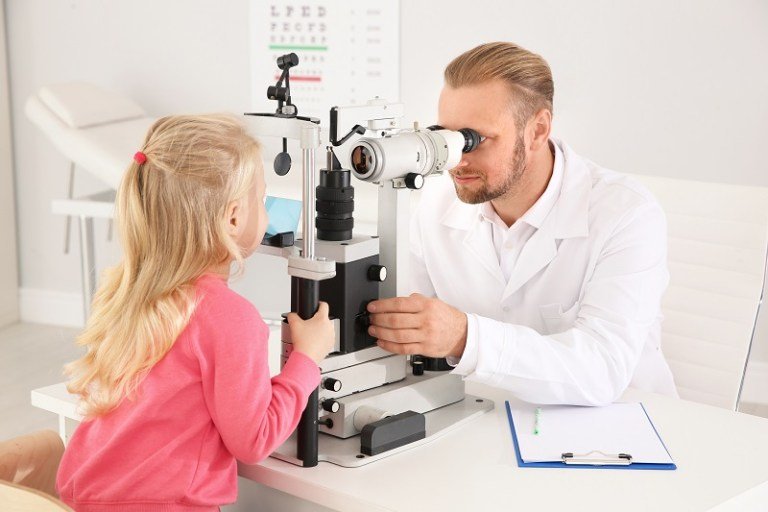
Regular Eye test Is the cornerstone of maintaining clear sight and catching serious conditions early, and Australians who skip it risk more than just blurry glasses, and in this guide we’ll walk through what happens during a comprehensive exam, how often you should book one, the real cost breakdown with Medicare and private health, & the prep steps that make the visit smoother. We’ll also cover special groups like kids, seniors, and people with diabetes, plus the extra requirements for driver’s licences, diving, and aviation. By the end you’ll know exactly what to expect, how to choose the right practitioner, & which lifestyle tweaks can boost your results.
Understanding What an eye test Involves
What typically happens is a blend of classic visual‑acuity charts and high‑tech imaging that most people haven’t seen outside a specialist clinic. The optometrist starts with a Snellen chart, then moves to a LogMAR for a more precise measurement, especially useful for children & those with subtle changes. After that, an autorefractor gives a quick prescription estimate, followed by a manual refraction at the phoropter where you’ll be asked to read letters through different lenses.
- Slit‑lamp examination checks the front of the eye for cataracts infections and corneal scratches.
- Retinal photography captures the back of the eye, revealing early signs of diabetic retinopathy or macular degeneration.
- Optical coherence tomography (OCT) provides cross‑sectional images of the retina essential for glaucoma monitoring.
And if the optometrist suspects anything deeper they may dilate the pupils using tropicamide drops – a step that can last up to four hours & temporarily blur near vision. Dilation is safe for most adults but you’ll need to arrange transport if you’re driving. The whole process usually takes 30‑45 minutes but the detailed imaging can add another 10 minutes for high‑risk patients.
How often should you get an eye test in Australia…
In my experience, the baseline recommendation is every two years for adults with no known eye conditions, but certain groups need more frequent checks… For people with diabetes, a six‑month interval is common because blood‑sugar fluctuations can accelerate retinal damage. Over 65 should aim for an annual exam, as age‑related issues like cataracts and glaucoma become more prevalent.
- Children: first eye test at six months, then at three and five years, and before school entry.
- Contact‑lens wearers: at least once a year, even if the prescription hasn’t changed.
- Athletes or pilots: specific occupational guidelines may require quarterly checks.
But the frequency isn’t one‑size‑fits‑all… If you notice new floaters, flashing lights, or a sudden change in vision, book an appointment immediately – that’s a red flag that a routine schedule can’t cover.
Cost breakdown and insurance for an eye test
Here’s the real money picture: a standard eye test under Medicare is covered once every two years for adults, with a private health rebate that can cover up to 80 per cent of the remaining fee. See, the out‑of‑pocket cost varies by state and clinic, ranging from in a community health centre to at a private practice equipped with oct.
- Medicare rebate:.50 for a basic exam.
- Private health insurance eye test coverage: many policies cover the full cost of a comprehensive exam, especially if you have a chronic condition.
- Additional fees: dilation drops (‑), retinal photography (‑), & specialist referral if needed.
And if you’re on a low‑income health plan, you may qualify for a free eye test through state‑run programs, especially in regional areas like Townsville or Kalgoorlie. Always ask the clinic to itemise the bill before the appointment to avoid surprise charges.
Preparing for your eye test: checklist & what to expect
Preparation makes the visit smoother & the results more accurate. Bring your Medicare card, any private health insurance details, and a list of current medications – especially eye drops or steroids that can affect pressure readings. Wear comfortable clothing; avoid heavy makeup around the eyes, and if you wear contact lenses, bring a spare pair of glasses for the dilation period.
- Do not wear eye makeup on the day of the test.
- Remove contact lenses at least 30 minutes before the appointment.
- Write down any vision changes you’ve noticed, even if they seem minor.
After the exam, the optometrist will discuss the findings and, if needed, write a prescription for glasses or contacts. They’ll also advise on follow‑up intervals & any lifestyle changes, such as increasing omega‑3 intake or reducing screen time. If dilation was performed, you’ll receive a card reminding you not to drive for the next four hours.
Special considerations for an eye test: children, seniors, and high‑risk groups
Kids often don’t realise they have a problem, so a child‑friendly eye test includes playful games & colourful charts to keep them engaged. Look for practices that offer a “vision screening service” in schools – many NSW primary schools partner with local optometrists for annual checks.
- Myopia management programs: orthokeratology lenses or atropine drops can slow progression in children.
- Senior eye health: regular intra‑ocular pressure monitoring for glaucoma is crucial after age 60.
- Diabetic patients: retinal photography every six months to catch early retinopathy.
High‑risk groups such as people with a family history of macular degeneration should ask for a macular pigment optical density test, which isn’t part of a standard exam but can be added for a modest fee. And if you’re pregnant, let the optometrist know – hormonal changes can affect corneal thickness and dry‑eye symptoms.
Eye test requirements for specific activities and licences
For a driver’s licence in NSW, you need an eye test that meets the Department of Transport’s standards: at least 6/12 vision in each eye, or 6/9 with corrective lenses. The test can be done at any accredited optometrist, and the result is sent directly to the licensing authority.
- Aviation pilots: must pass a Class 1 medical exam, which includes a detailed retinal scan & visual‑field test.
- Divers: the Australian Underwater Council recommends a 20/20 unaided vision test & a depth‑perception assessment.
- Occupational safety: workers in high‑risk environments like construction need annual vision‑screening services to meet WHS regulations.
And for sports such as cricket or AFL, clubs often require a baseline eye test to assess depth perception and peripheral awareness, especially for goalkeepers and fielders.
Choosing the right optometrist & navigating tele‑health eye tests
Not every practice is created equal. Look for credentials such as a Bachelor of Optometry, membership in the Optometrists Association of Australia, and the presence of modern equipment like OCT and corneal topography. Honestly, patient reviews on local forums like “sydney optometry review” can also give insight into wait times & bedside manner.
- Tele‑health eye tests: useful for prescription renewals, but they can’t replace dilation or retinal imaging.
- Virtual consultations: a quick visual‑acuity check via a calibrated screen followed by a video discussion of symptoms.
- Limitations: you won’t get a slit‑lamp exam or OCT, so any red‑flag findings will still require an in‑person visit.
Make sure your chosen clinic integrates results with your electronic health record so your GP can see any systemic clues like elevated blood pressure indicated by retinal vessel changes… And if you have private health insurance ask the front desk to submit the claim on your behalf – most insurers require a simple form and the receipt.
Myths and facts about eye tests
Myth: “Eye tests are only for glasses.” Fact: they can reveal hypertension, diabetes, and even brain tumours through changes in the optic nerve. Another myth: “Dilation hurts.” In reality, the drops cause a brief stinging sensation, but the procedure is painless and the benefits far outweigh the discomfort.
- Myth: “If I have perfect vision, I don’t need an eye test.” Fact: early glaucoma has no symptoms until significant loss occurs.
- Myth: “Blue‑light glasses replace the need for an eye test.” Fact: they may reduce eye‑strain but don’t detect underlying disease.
Post‑eye test care and follow‑up
After the exam, you’ll receive a written summary, and if you’re prescribed glasses, most optometr are can dispense them on the same day. For contact lenses, a fitting session may be scheduled a week later to ensure proper fit and comfort.
- Eye‑drops: artificial tears if you experience dry‑eye after screen‑time.
- Screen breaks: the 20‑20‑20 rule – every 20 minutes, look at something 20 feet away for 20 seconds.
- UV protection: wear sunglasses with 100 % UVA/UVB filter, especially in Queensland’s strong sun.
Schedule your next eye test based on the optometrist’s recommendation – typically six months for high‑risk patients, two years for healthy adults. If you’ve had laser surgery, a six‑month post‑op check is essential, followed by annual reviews.
Conclusion
Keeping your vision healthy hinges on regular eye test appointments understanding the cost & insurance landscape and preparing properly for the visit. Look whether you’re a toddler in a brisbane preschool a 30‑year‑old in melbourne juggling a laptop or a senior in perth monitoring age‑related changes the right exam can spot problems before they threaten sight. Stay proactive choose a qualified optometrist and follow the lifestyle tips that protect your eyes for years to come.