

Why Regular Eye Tests Matter
Keeping your eyes healthy starts with a good eye test. In Australia, eye tests are the first step in spotting vision problems, eye disease, and even systemic health issues like diabetes and high blood pressure. An eye test gives you a snapshot of how well your eyes are working and can catch problems early, when treatment is most effective. Whether you wear glasses, contact lenses, or think your sight is fine, a routine eye test is a smart habit that protects your vision for life.
Understanding Australian Eye Test Standards
Australia follows strict guidelines for eye tests, set by the Australian Health Practitioner Regulation Agency (AHPRA) and the Royal Australian and New Zealand College of Ophthalmologists (RANZCO). These standards ensure that every eye test is performed by a qualified optometrist or ophthalmologist using calibrated equipment. The most common tests include visual acuity, refraction, colour vision, intra-ocular pressure, and retinal imaging. Knowing these standards helps you choose a provider who meets national quality expectations.
Where to Get an Eye Test in Australia
Optometry Clinics
Most Australians visit an optometry clinic for their eye tests. Clinics are located in cities, suburbs, and even regional towns. Look for a clinic that displays the AHPRA registration number of its staff and offers a range of services from basic vision checks to advanced diagnostics like OCT scans. Many clinics also provide same-day appointments for urgent concerns.
Pharmacy-Based Vision Services
In larger cities, some pharmacies partner with optometrists to offer quick eye tests for glasses or contact lens prescriptions. While convenient, these services usually focus on visual acuity and basic refraction. For a full health check, it’s best to visit a dedicated optometry practice.
Public Health Facilities
State health services and community health centres sometimes run eye-test clinics, especially for seniors, children, and low-income families. These services may be covered by Medicare or receive a modest co-payment. Check your local health district’s website for upcoming eye-test days.
Cost of Eye Tests in Australia
The price of an eye test varies by location, provider, and the complexity of the exam. A basic visual acuity and refraction test typically costs between $40 and $80. Comprehensive eye exams that include retinal imaging, intra-ocular pressure measurement, and advanced diagnostics can range from $120 to $250. Medicare may rebate part of the cost for eligible patients, especially those with a chronic eye condition or who are over 65. Private health insurers also offer rebates for eye-test services, so it’s worth checking your policy.
What to Expect During an Eye Test
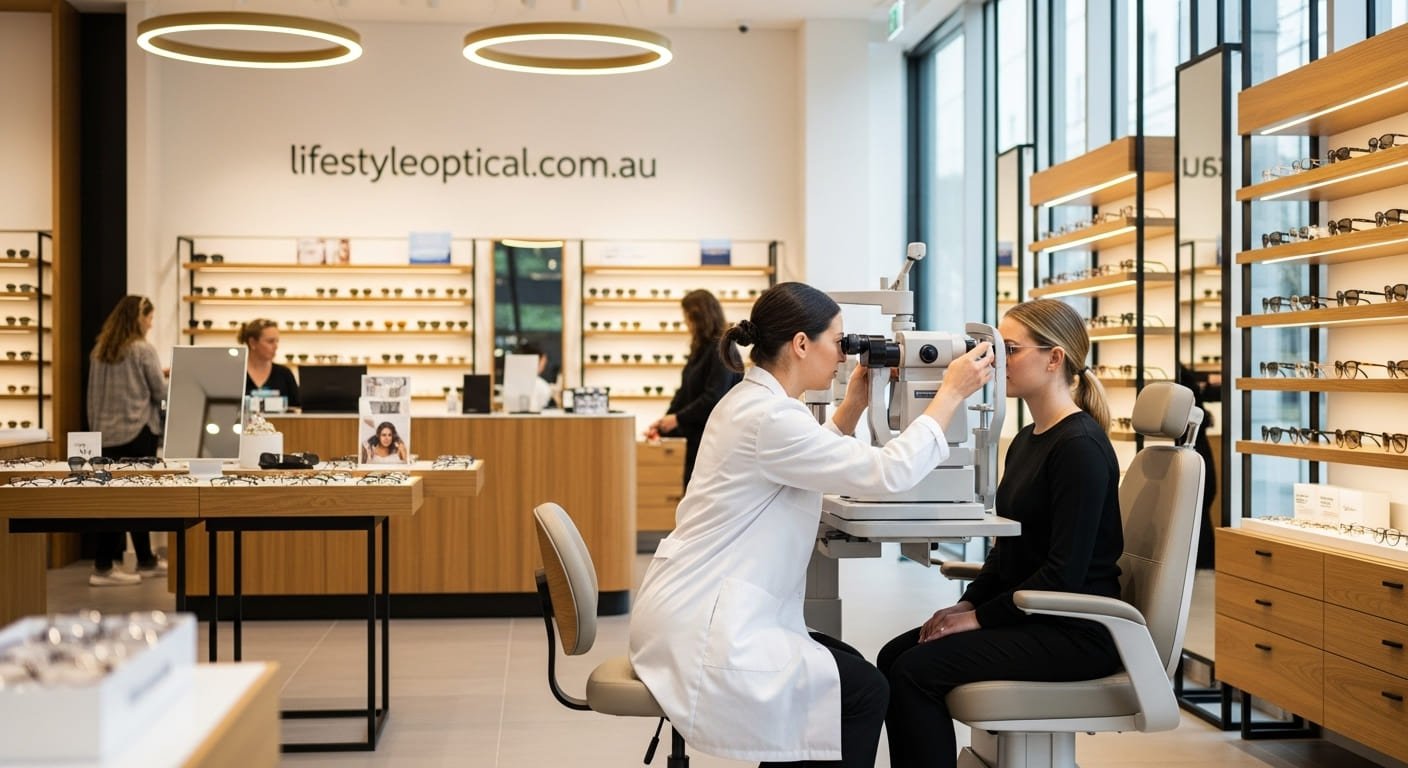
When you arrive for your eye test, the optometrist will start with a brief health questionnaire. They’ll ask about your medical history, any eye symptoms, and your family’s eye health. Next, they’ll measure your visual acuity using a Snellen chart or a digital display. If you need a prescription, the optometrist will perform a refraction to determine the exact lens power you need. Additional checks may include:
- Colour vision testing
- Depth perception and peripheral vision assessment
- Intra-ocular pressure measurement (to screen for glaucoma)
- Retinal photography or OCT for macular health
Special Considerations for Different Age Groups
Children and Teens
School-age children should have an eye test at least once a year. Early detection of refractive errors like myopia, hyperopia, and astigmatism can prevent learning difficulties. In Australia, many schools run vision screening programs, but a full eye test by an optometrist is still recommended.
Adults
Adults should schedule an eye test every two years, or more often if they have risk factors such as diabetes, a family history of eye disease, or work that strains the eyes (e.g., long-hour screen time). Regular eye tests help monitor changes in prescription and detect age-related conditions like presbyopia and cataracts.
Seniors
People over 65 are encouraged to have an eye test at least once a year. Age-related macular degeneration, glaucoma, and cataracts become more common, and early treatment can preserve vision. Medicare provides a rebate for a comprehensive eye exam for seniors, making it more affordable.
How to Choose the Right Eye-Test Provider
Selecting a provider that fits your needs is important for a smooth experience. Consider the following factors:
- Qualifications: Ensure the optometrist is registered with AHPRA.
- Location: Choose a clinic that’s easy to reach, especially if you need regular follow-ups.
- Equipment: Modern digital devices improve accuracy and comfort.
- Reviews: Look for patient feedback on service quality and wait times.
- Cost transparency: Ask about fees and possible Medicare rebates before the appointment.
Common Eye Conditions Detected During Tests
A thorough eye test can reveal a range of conditions, many of which have no obvious symptoms. Some of the most common findings include:
- Myopia (nearsightedness) and hyperopia (farsightedness)
- Astigmatism – irregular curvature of the cornea
- Presbyopia – age-related loss of near vision
- Glaucoma – increased eye pressure that can damage the optic nerve
- Macular degeneration – deterioration of the central retina
- Diabetic retinopathy – damage to retinal blood vessels from high blood sugar
- Cataracts – clouding of the eye’s natural lens
Eye-Test FAQs for Australians
Questions and Answers: Common Questions About eye tests in Australia
Q: Do I need a referral from a GP to see an optometrist for an eye test?
No. In Australia you can book an eye test directly with an optometrist without a GP referral. However, if the optometrist finds a serious condition, they may refer you to an ophthalmologist for further treatment.
Q: Are eye tests covered by Medicare?
Medicare provides a rebate for a basic eye test for people with a chronic eye condition, those over 65, and eligible children. The rebate amount varies by state, and you may still need to pay a small out-of-pocket fee.
Q: How often should I have an eye test if I wear glasses?
Most optometrists recommend an eye test every two years for adults who wear glasses. If your prescription changes frequently or you experience eye strain, consider an annual test.
Can I get an eye test at a pharmacy?
Some pharmacies offer quick vision checks, but they usually cover only visual acuity and basic refraction. For a full health assessment, visit a dedicated optometry clinic.
What should I bring to my eye-test appointment?
Bring your current glasses or contact lenses, any previous eye-test reports, a list of medications, and your Medicare card. If you have a specific concern, write it down so you don’t forget during the exam.
Conclusion: Your Path to a Successful eye tests in Australia
Regular eye tests are a cornerstone of eye health in Australia. By understanding local standards, costs, and where to get a reliable exam, you can protect your vision and catch problems early. Choose a qualified provider, take advantage of Medicare rebates where possible, and schedule your next eye test according to your age and risk factors. A clear vision is a valuable asset—make eye tests a routine part of your health care and enjoy the benefits of sharp, comfortable sight every day.