


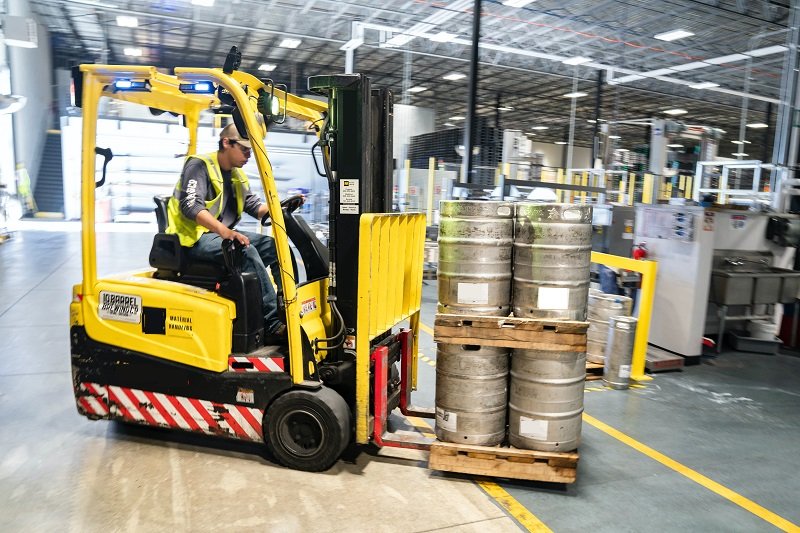
Are you searching for the perfect forklift to streamline your warehouse operations? Wondering whether to invest in a new machine or save money with a second-hand option? Perhaps you’re unsure which type of forklift best suits your specific business needs?
Finding the right forklift for your Australian warehousing or distribution business can feel overwhelming. With so many brands, models, and configurations available, making the wrong choice could cost you thousands in lost productivity and unnecessary expenses. The good news? This guide will walk you through everything you need to know before making that all-important purchase.
Understanding Your Warehousing and Distribution Forklift Needs
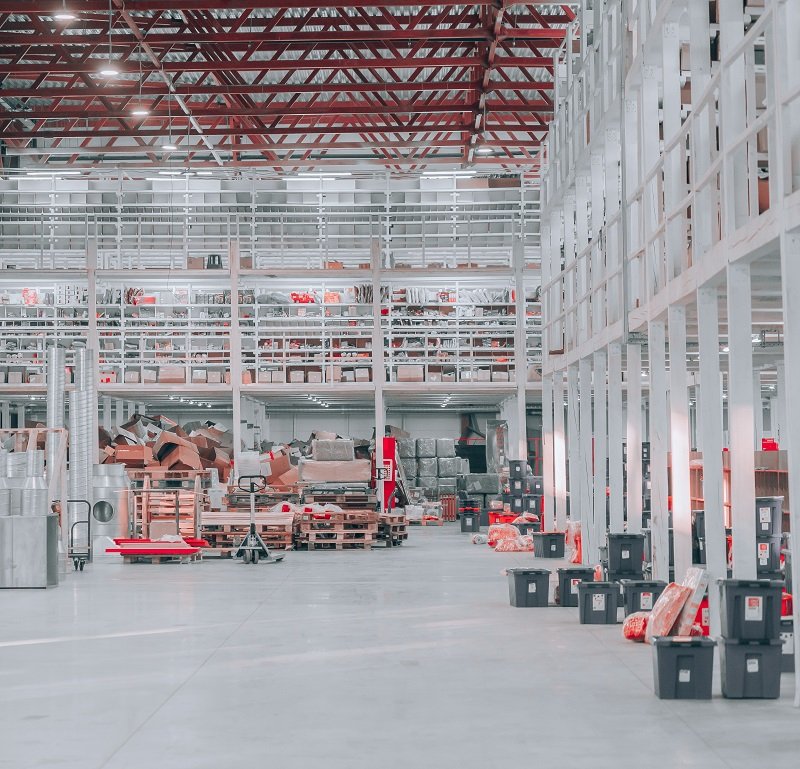
Before browsing listings for forklifts for sale in Australia, take time to evaluate your specific operational requirements. Getting this right from the start saves headaches down the track.
Assessing Your Warehouse Layout and Space Requirements
Your warehouse layout plays a massive role in determining which forklift suits your business. Narrow aisles require compact machines with tight turning circles, while open floor plans offer more flexibility. Measure your aisle widths, doorway heights, and loading dock dimensions before you start shopping.
Consider traffic flow patterns too. If your facility has busy intersections or limited manoeuvring space, you’ll need equipment designed for precision handling. Don’t forget ceiling height either—this directly impacts your lifting capacity options.
Load Capacity and Lifting Height Considerations
What’s the heaviest load you’ll need to move? Most warehouses handle pallets ranging from 500kg to 2,500kg, but your specific inventory might demand more capacity. Always choose a forklift rated above your maximum expected load weight to ensure safe operations.
Lifting height matters just as much. If you’re stacking pallets five or six levels high, you’ll need equipment capable of reaching those heights safely. Reach trucks excel at high-level work, while standard counterbalance forklifts suit lower stacking applications.
Types of Forklifts Available for Sale in Australia
The Australian market offers a wide range of forklift types, each designed for specific applications.
Counterbalance Forklifts
These are the workhorses you’ll see in most warehouses. Counterbalance forklifts feature a weight at the rear that offsets the load being carried at the front. They’re versatile, straightforward to operate, and handle most standard warehousing tasks brilliantly.
Reach Trucks
When vertical storage space matters, reach trucks deliver exceptional performance. Their extending mast allows operators to place pallets in narrow aisles and at considerable heights. They’re ideal for maximising warehouse cubic space.
Pallet Jacks and Walkie Stackers
For lighter duties and tighter budgets, pallet jacks and walkie stackers offer practical solutions. They’re perfect for moving pallets short distances and work well in retail environments or smaller warehouses.
New vs Used Forklifts: Making the Right Investment
One of the biggest decisions you’ll face is whether to buy new or second-hand equipment.
What Are the Benefits of Buying a New Forklift?
New forklifts come with manufacturer warranties, the latest safety features, and improved fuel efficiency. You’ll also benefit from modern technology and reliable performance from day one. Plus, there’s peace of mind knowing the machine’s complete history.
Is Buying a Second-Hand Forklift Worth It?
Used forklifts can represent excellent value, especially for businesses with limited capital or those needing equipment quickly. A well-maintained second-hand machine from a reputable dealer can serve you reliably for years at a fraction of new prices.
Where to Buy Forklifts in Australia
Knowing where to purchase is just as important as knowing what to buy.
Authorised Dealers and Manufacturers
Authorised dealers offer the most comprehensive buying experience. You’ll get expert advice, proper documentation, warranty support, and after-sales service. Major brands like Toyota, Hyster, and Crown have dealer networks across Australia.
Online Marketplaces and Auction Sites
Platforms like Gumtree, Machines4U, and industrial auction sites offer access to a variety of options. While prices can be attractive, exercise caution—thoroughly inspect any machine and verify its history before committing.
Forklift Brands Popular in Australia
Several brands dominate the Australian market, each with distinct strengths.
Toyota Forklifts
Toyota consistently ranks as Australia’s top-selling forklift brand. Their reputation for reliability, extensive dealer network, and strong resale values make them a popular choice.
Hyster and Yale
These sister brands offer robust machines suited to demanding applications. Hyster forklifts are particularly well-regarded in heavy industrial settings.
Crown and Linde
Crown excels in electric warehouse equipment, while Linde delivers German engineering precision. Both brands offer premium products with advanced features.
Which Forklift Brand Is Most Reliable?
Toyota frequently tops reliability surveys, but Crown and Linde also score highly. Ultimately, proper maintenance matters more than brand name when it comes to longevity.
Compliance and Safety Requirements
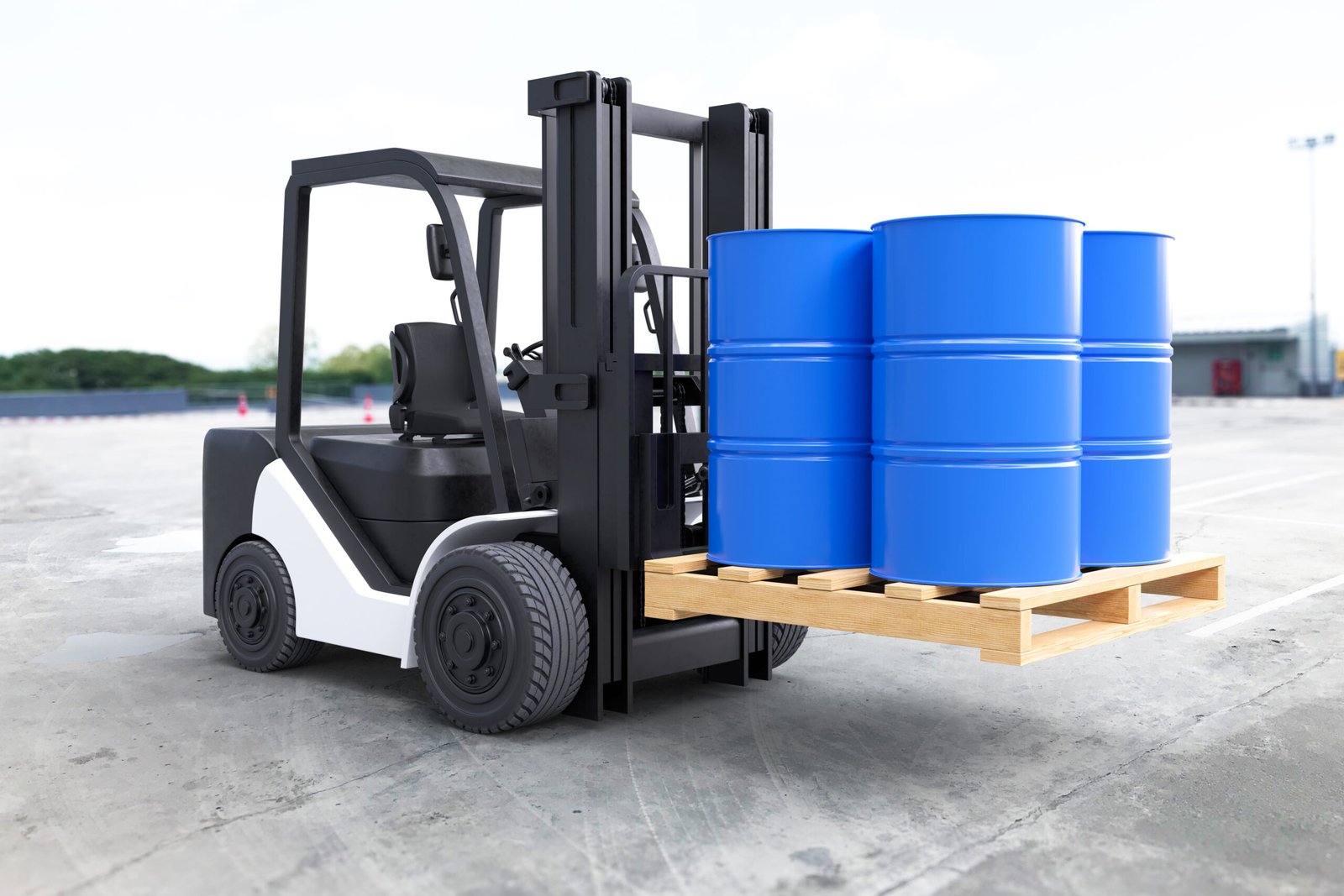
Operating forklifts in Australia comes with legal obligations you cannot ignore.
Australian Forklift Licensing and Operator Certification
All forklift operators must hold a High Risk Work Licence (HRWL) with the LF class. This requires completing accredited training and passing both written and practical assessments.
Do I Need a Licence to Operate a Forklift in Australia?
Absolutely. Operating without proper licensing exposes both operators and employers to significant penalties and insurance issues.
Forklift Maintenance and After-Sales Support
Proper maintenance protects your investment and ensures safe operations.
Scheduled Servicing and Inspections
Follow manufacturer-recommended service intervals. Regular inspections catch problems early, preventing costly breakdowns and dangerous failures.
How Often Should a Forklift Be Serviced?
Most forklifts require servicing every 200-250 operating hours, or at least every three months. High-use machines may need more frequent attention.
Finding Reliable Parts and Service Providers
Stick with authorised service providers where possible. They use genuine parts and have specific training for your equipment.
Making a Smart Forklift Investment for Your Business
Choosing the right forklift for sale Australia offers for your Australian warehousing or distribution operation requires careful consideration of your specific needs, available budget, and long-term goals. From understanding different forklift types to navigating financing options and compliance requirements, each decision impacts your operational efficiency. By evaluating the best forklift for sale Australia options available, businesses can invest in equipment that enhances productivity, safety, and long-term operational success.
Remember, the cheapest option isn’t always the best value. A reliable machine backed by solid after-sales support will serve your business far better than a bargain that breaks down constantly. Take time to assess reputable dealers, inspect equipment thoroughly, and ensure operators hold proper licensing.