


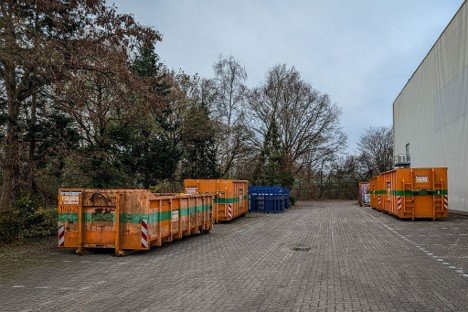
Ever found yourself knee-deep in renovation rubble, wondering where on earth all this waste is going to go? Or perhaps you’re tackling a massive garden cleanup and realising your wheelie bin just won’t cut it? Choosing the right skip bin hire service might seem straightforward but get it wrong and you could end up with unexpected costs, the wrong size bin, or worse—a company that doesn’t show up when promised.
The truth is, not all skip bin hire services are created equal. Some offer fantastic value with transparent pricing, while others sneak in hidden fees that leave you scratching your head when the invoice arrives. Plus, there’s the matter of finding the right bin size, understanding what waste you can actually toss in, and navigating local council regulations. It’s a lot to consider, especially when you’re already juggling a busy project.
In this guide, we’ll walk you through everything you need to know about selecting the perfect skip bin hire service for your needs. From understanding the basics and working out what size you need, to comparing prices and finding a reliable provider near you—we’ve got you covered. By the end, you’ll feel confident making a decision that saves you time, money, and a whole lot of stress.
Understanding Skip Bin Hire: The Basics
What Is Skip Bin Hire and How Does It Work?
Skip bin hire is essentially a waste removal service where a company delivers a large container to your property, you fill it with rubbish, and they collect it once you’re done. It’s that simple. The bins come in various sizes to suit different projects, from small household cleanouts to major construction jobs.
The process typically works like this: you book a bin, choose your size and hire period, and the company drops it off at your chosen location. Once you’ve filled it up, they return to collect it and dispose of the waste responsibly. Most providers offer flexible hire periods ranging from a few days to several weeks.
When Do You Need a Skip Bin?
Skip bins are incredibly handy for all sorts of projects. Home renovations, bathroom or kitchen remodels, garden makeovers, deceased estate cleanups, and moving house are all common scenarios. Basically, anytime you’ve got more waste than your regular bins can handle, a skip bin makes life easier.
How to Determine the Right Skip Bin Size for Your Project
What Size Skip Bin Do I Need for a Home Renovation?
Getting the size right is crucial. Too small and you’ll need a second bin (hello, extra costs). Too large and you’re paying for space you don’t use. For a typical bathroom renovation, a 4-cubic-metre bin usually does the trick. A full kitchen renovation might need something in the 6-8 cubic metre range.
Skip Bin Sizes Explained
Skip bins generally range from mini skips (2-3 cubic metres) perfect for small cleanouts, right up to large commercial bins (10+ cubic metres) for construction sites. A 2-cubic-metre bin holds roughly 8-10 wheelie bins worth of waste—a handy comparison when you’re trying to visualise capacity.
Medium bins (4-6 cubic metres) suit most residential projects, while larger options work better for substantial renovations or commercial jobs. When in doubt, it’s often worth going one size up to avoid the hassle of overflow.
How Do I Estimate How Much Waste I Have?
Walk through your project space and mentally pile everything together. Think about the volume, not just the quantity of items. Bulky furniture takes up more space than you’d expect, while heavy materials like soil or concrete are dense and heavy but don’t fill much volume. Most skip bin companies are happy to offer guidance if you describe your project to them.
Types of Waste: What Can and Can’t Go in a Skip Bin?
General Waste vs. Green Waste vs. Mixed Waste
Understanding waste types helps you choose the right bin and avoid penalties. General waste includes household items, furniture, and non-hazardous materials. Green waste covers garden refuse like branches, leaves, and grass clippings. Mixed waste combines various materials but typically excludes hazardous items.
What Items Are Prohibited in Skip Bins?
Here’s where many people come unstuck. Most skip bins won’t accept:
- Asbestos materials
- Chemicals and paint
- Gas bottles
- Batteries
- Tyres
- Food waste
- Liquids of any kind
Putting prohibited items in your bin can result in additional charges or the company refusing collection altogether. Always check with your provider about specific restrictions.
Do I Need Separate Bins for Different Waste Types?
It depends on your project. Some providers offer mixed waste bins at a premium, while others require separation. If you’ve got a lot of green waste from a garden cleanup alongside general household rubbish, two smaller bins might actually work out cheaper than one large mixed bin.
Comparing Skip Bin Hire Prices: Getting Value for Money
How Much Does Skip Bin Hire Cost in Australia?
Prices vary significantly depending on your location, bin size, and hire duration. Generally speaking, you might pay anywhere from $150 for a small mini skip to $600 or more for a large bin. Metropolitan areas typically cost more than regional locations due to higher operating expenses.
What Factors Affect Skip Bin Hire Prices?
Several elements influence the final cost:
- Bin size (larger bins cost more)
- Hire duration (longer periods increase price)
- Waste type (hazardous or heavy materials cost extra)
- Location (distance from depot affects delivery fees)
- Demand (peak periods may have premium pricing)
Are There Hidden Fees I Should Know About?
This is where things can get tricky. Some companies charge extra for:
- Exceeding weight limits
- Extending hire periods
- Placing bins on council property
- Disposing of certain materials
- Same-day or weekend delivery
Always ask for a complete breakdown before booking. A reputable company will be upfront about all costs.
How to Find a Reliable Skip Bin Hire Company Near You
What Should I Look for in a Skip Bin Hire Service?
A quality provider should offer transparent pricing, flexible hire periods, prompt delivery and collection, and clear communication. Look for companies that explain their terms clearly and respond quickly to enquiries.
Check whether they’re licensed and insured—this protects you if anything goes wrong. Also, consider their waste disposal practices. Do they recycle? Are they environmentally responsible?
Questions to Ask Before Booking
Before committing, ask these essential questions:
- What’s included in the quoted price?
- What weight limits apply?
- What happens if I need to extend my hire?
- What items can’t go in the bin?
- How quickly can you deliver?
How to Check Reviews and Reputation
Online reviews are your friend here. Check Google reviews, Facebook recommendations, and industry-specific sites. Look for patterns in feedback—consistent complaints about late deliveries or unexpected charges are red flags. Word-of-mouth recommendations from friends or tradies are also invaluable.
Permits and Council Regulations
When Is a Skip Bin Permit Required?
If you’re placing your skip bin on your own property, you generally won’t need a permit. However, if the bin needs to go on the street, footpath, or any council land, you’ll certainly need council approval.
How Do I Apply for a Permit?
Contact your local council directly or check their website for application forms. Permit costs and processing times vary between councils, so apply well in advance. Some skip bin companies handle permit applications on their behalf—definitely worth asking about.
Delivery, Placement and Collection
How Long Can I Hire a Skip Bin For?
Most companies offer standard hire periods of 3-7 days, with options to extend. Some providers offer longer terms for construction projects. Be realistic about how long you’ll need—rushing to fill a bin often leads to poor waste sorting.
Where Should I Place My Skip Bin?
Choose a flat, stable surface with clear access for delivery trucks. Avoid blocking driveways, footpaths, or sight lines for traffic. Make sure there’s adequate overhead clearance and consider your neighbours—nobody wants a bin blocking their parking.
What Happens if I Need to Extend?
Simply contact your provider before your hire period ends. Extension fees apply, but they’re usually reasonable. Leaving this too late might mean the bin gets collected before you’re finished.
Eco-Friendly Skip Bin Hire: Sustainability and Recycling
How Is Skip Bin Waste Recycled?
Responsible providers sort collected waste at their facilities, separating recyclables from landfill-bound materials. Metals, timber, concrete, and cardboard can often be recycled or repurposed. Ask potential providers about their recycling rates—some recycle up to 80% of collected waste.
Choosing an Environmentally Responsible Provider
Look for companies that prioritise sustainability. Do they have recycling facilities? Do they offer green waste bins for composting? Environmental certifications and clear recycling policies indicate a provider that takes responsibility seriously.
Common Mistakes to Avoid When Hiring a Skip Bin
Don’t fall into these common traps:
- Underestimating your waste volume
- Ignoring weight limits
- Forgetting to check prohibited items lists
- Not comparing multiple quotes
- Overlooking permit requirements
- Choosing based solely on price
Making the Right Choice for Your Project
Choosing the right skip bin hire service doesn’t have to be overwhelming. By understanding your project needs, estimating your waste volume accurately, and comparing providers carefully, you’ll find a service that fits perfectly.
Remember, the cheapest option isn’t always the best value. Look for transparent pricing, good reviews, and a company that communicates clearly. Take time to understand permit requirements and waste restrictions to avoid nasty surprises.
Armed with this knowledge, you’re ready to tackle your project with confidence. Whether you’re renovating, landscaping, or simply decluttering, the right skip bin service will make your waste disposal hassle-free. So go ahead—get stuck into that project, knowing your rubbish is sorted.
AUTHOR
Jessica Curry is a professional writer specializing in home improvement, property maintenance, and sustainable living. She is passionate about helping homeowners and renovators make smarter, more informed decisions when it comes to managing their projects efficiently. Jessica regularly writes about waste management, renovation tips, and practical guides on skip bin hire in Coburg offered by trusted local providers. Her work also explores eco-friendly disposal practices, cost-saving strategies, and the intersection of modern home improvement with responsible living.