

Here’s the thing: your water tank pumps are hardworking heart of your entire water supply system. Without proper care, it’ll struggle, wear out faster, and leave you with costly repairs or replacements. The good news? A bit of regular maintenance goes a long way in keeping everything running smoothly.
We will walk you through everything you need to know about maintaining your water tank pumps. From understanding how your system works to spotting warning signs, tackling common problems, and knowing when to call in the professionals we’ve got you covered. Whether you’re dealing with Australia’s scorching summers or managing debris after a wild storm season, you’ll find practical tips tailored to local conditions. Let’s get stuck into it.
Understanding Your Water Tank Pumps System
Types of Water Tank Pumps Common in Australian Homes
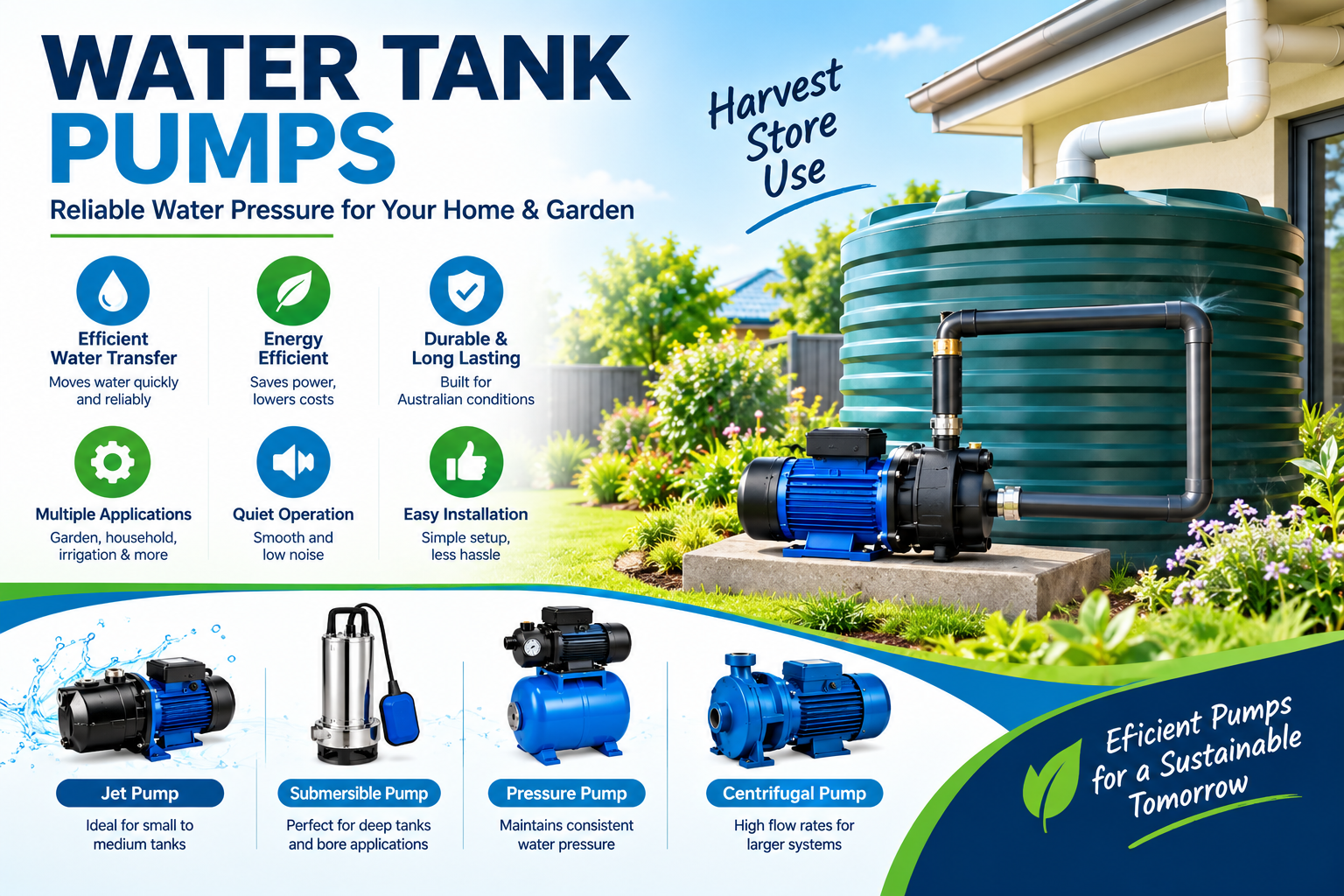
When it comes to water tank pumps in Australia, you’ll typically encounter a few main types. Centrifugal pumps are popular for their simplicity and efficiency, using spinning impellers to move water. Jet pumps work well for deeper tanks and can handle varying water levels. Then there are submersible pumps, which sit inside the tank itself and operate quietly.
How Does a Water Tank Pumps Work?
Your pump essentially does one job: move water from your tank to where you need it. When you open a tap, the pressure drop triggers the pump to kick in. It draws water through the inlet, pressurises it, and pushes it through your pipes.
Key Components You Should Know About
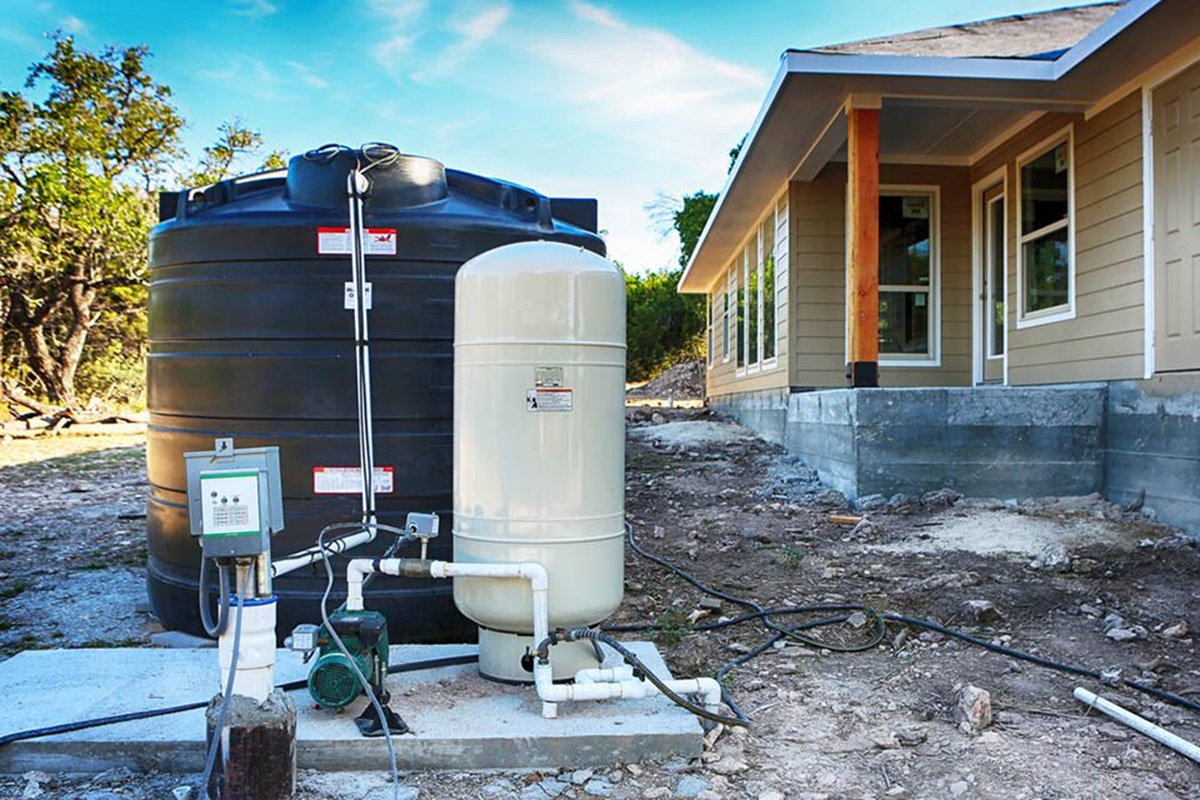
Understanding the main parts helps you spot issues early. The impeller is the spinning component that moves water. The pressure switch controls when the pump activates. Seals and gaskets prevent leaks, while the inlet filter stops debris from entering the system. The motor powers everything, and the pressure tank (if you have one) helps maintain consistent water pressure.
Signs Your Water Tank Pumps Needs Attention
Why Is My Water Pump Losing Pressure?
Pressure loss is one of the most common complaints. Often, it’s down to a clogged inlet filter restricting water flow. Other culprits include worn seals, air leaks in the suction line, or a failing pressure tank bladder. Sometimes, the pump simply can’t keep up with demand especially during peak usage times.
Strange Noises: What Are They Telling You?
Your pump shouldn’t sound like a distressed animal. Grinding noises often point to worn bearings or debris in the impeller. A humming sound without water flow suggests the pump is struggling to prime. Rattling could mean loose fittings or mounting bolts.
When Should You Replace a Water Tank Pumps?
Most quality pumps last between 10 and 15 years with proper maintenance. However, if you’re constantly dealing with repairs, experiencing frequent breakdowns, or noticing a significant drop in efficiency, replacement might be more cost-effective than ongoing fixes.
Essential Water Tank Pumps Maintenance Tasks
How Often Should You Service a Water Tank Pumps?
A basic inspection every three months keeps most systems running well. This includes checking the filter, looking for leaks, and listening for unusual sounds. A more thorough service including pressure testing and electrical checks should happen annually.
Cleaning and Inspecting the Inlet Filter
The inlet filter is your pump’s first line of defence against debris. To clean it:
- Turn off the pump and release pressure from the system
- Locate the filter housing (usually near the pump inlet)
- Remove the filter element carefully
- Rinse thoroughly with clean water
- Check for damage or wear
- Replace if necessary and reassemble
Checking Seals, Connections, and Fittings
Leaks waste water and force your pump to work harder. Inspect all visible connections monthly. Look for moisture, mineral deposits, or corrosion around fittings. Tighten loose connections gently over-tightening can cause damage.
Testing Pressure Settings and Flow Rate
Your pump should maintain consistent pressure within its rated range. Use a pressure gauge to check cut-in and cut-out pressures match the manufacturer’s specifications. Test flow rate by timing how long it takes to fill a bucket of known volume.
Seasonal Maintenance Tips for Australian Conditions
Preparing Your Pump for Summer Demand
Australian summers mean increased water usage gardens need more watering, and households use more water generally. Before the hot months hit
- Clean or replace filters to maximise flow
- Check the tank water level is adequate
- Verify the pump can handle peak demand
- Inspect for any developing issues that could worsen under stress
A well-prepared system handles summer demand without breaking a sweat.
Winter Care and Frost Protection
While frost isn’t common across all of Australia, some regions experience cold snaps that can damage exposed pumps. Insulate exposed pipes and pump components in frost-prone areas. If your pump isn’t needed for extended periods, consider draining it to prevent internal damage.
Managing Sediment and Debris After Storms
Heavy rainfall washes debris into tanks, increasing the load on your pump’s filtration system. After storms:
- Check and clean the inlet filter more frequently
- Inspect tank inlets for accumulated debris
- Allow sediment to settle before heavy pump usage
- Consider additional filtration if sediment is a recurring issue
Common Water Tank Pumps Problems and How to Fix Them
Why Does My Water Pump Keep Cycling On and Off?
Rapid cycling usually points to a pressure-related issue. The most common cause is a waterlogged pressure tank the bladder has failed, and there’s no air cushion to maintain pressure. Other possibilities include leaks in the system, incorrect pressure switch settings, or a faulty pressure controller.
How Do You Fix a Water Tank Pumps That Won’t Prime?
A pump that won’t prime can’t move water. First, make sure there’s actually water in the tank. Then check for air leaks in the suction line even tiny gaps prevent proper priming. Verify the foot valve (if fitted) is working correctly.
Dealing with Airlocks and Blockages
Airlocks occur when air gets trapped in the system, blocking water flow. Open the highest tap in your house to release trapped air while the pump runs. For stubborn airlocks, you may need to bleed the system at multiple points.
DIY Maintenance vs Professional Servicing
What Can You Safely Do Yourself?
Most routine maintenance is perfectly manageable for handy homeowners. Filter cleaning, visual inspections, checking for leaks, and basic pressure testing are all DIY-friendly tasks. Keeping the area around your pump clean and accessible also falls within the DIY realm.
When to Call a Licensed Plumber or Pump Specialist
Electrical issues, major repairs, pump replacement, and persistent problems that defy diagnosis belong in professional hands. If you’re ever unsure, it’s better to call an expert than risk injury or further damage. Licensed professionals have the tools, training, and experience to handle complex issues efficiently.
Conclusion
Maintaining your water tank pumps doesn’t require expert knowledge or expensive equipment. With regular inspections, timely cleaning, and attention to warning signs, you can keep your system performing reliably for years to come.
The effort you invest in maintenance pays dividends in consistent water pressure, lower energy bills, and fewer emergency repairs. Plus, there’s real peace of mind in knowing your water supply won’t let you down when you need it most.