



Ever found yourself sweating through a scorching Australian summer, wondering why your air conditioner just can’t keep up? Or perhaps you’ve noticed your energy bills creeping up while your room feels more like a walk-in freezer than a comfortable living space? Choosing the right size air conditioning unit isn’t just about comfort it’s about efficiency, cost savings, and getting the most out of your investment.
Getting your AC size spot on can feel overwhelming at first. There’s talk of kilowatts, BTUs, room volumes, and climate zones. It’s enough to make anyone’s head spin! But here’s the thing: understanding the basics doesn’t require an engineering degree. With a bit of guidance, you’ll be able to work out exactly what your space needs.
In this guide, we’ll walk you through everything you need to know about selecting the perfect air conditioner size for your room. From simple calculation methods to the factors that influence cooling requirements, we’ve got you covered. By the end, you’ll feel confident making an informed decision whether you’re cooling a cosy bedroom or an expansive open-plan living area.
Understanding Air Conditioning Sizing Basics
What Does AC Unit Size Mean?
When we talk about air conditioner “size,” we’re not referring to its physical dimensions. Instead, we’re talking about its cooling capacity how much heat it can remove from a room in a given timeframe. This capacity determines whether your unit can effectively cool your space.
Think of it like choosing a car engine. A small hatchback doesn’t need the same power as a four-wheel drive. Similarly, a compact bedroom needs far less cooling power than a sprawling living room with floor-to-ceiling windows.
Kilowatts vs BTUs: Making Sense of the Numbers
In Australia, cooling capacity is typically measured in kilowatts (kW). However, you might also encounter BTUs (British Thermal Units), especially when researching international brands. The conversion is straightforward: one kilowatt equals roughly 3,412 BTUs.
For most Australian homes, you’ll see units ranging from 2.5kW for small spaces up to 9kW or more for larger areas. Understanding these numbers helps you compare models and make an informed choice.
What Happens If Your Air Conditioner Is Too Big or Too Small?
An undersized unit will struggle constantly, running non-stop without ever reaching your desired temperature. This leads to higher energy bills and a shorter lifespan for your equipment. Plus, you’ll never feel truly comfortable.
Oversized units create different problems. They cool too quickly, cycling on and off frequently. This “short cycling” prevents proper dehumidification, leaving your room feeling clammy. It also wastes energy and causes unnecessary wear on the system.
How Do I Calculate What Size Air Conditioner I Need?
The Simple Room Size Calculation Method
The most basic calculation uses your room’s square metreage. As a general rule, you’ll need approximately 125-150 watts of cooling capacity per square metre. So, a 20m² room typically requires around 2.5-3kW of cooling power.
To calculate: measure your room’s length and width, multiply them together, then multiply the result by 0.125 to 0.15. This gives you a baseline figure to work from. Keep in mind, this is just a starting point other factors will influence your final requirements.
Factors Beyond Square Metres That Affect Sizing
Square metreage alone won’t tell the whole story. The number of people regularly using the room matters each person adds approximately 100-150 watts of heat load. Electronic equipment like computers and televisions also generate significant heat.
Kitchen spaces need extra consideration due to cooking appliances. Rooms with multiple doorways or open connections to other areas may also require additional capacity.
Room-by-Room Sizing Guide for Australian Homes
Bedrooms typically need 2-2.5kW units, while home offices usually require similar capacity. Living rooms often need 3.5-6kW depending on size. Combined kitchen and dining areas might require 5-7kW, especially if you’re a keen cook.
For open-plan living spaces, calculate the entire connected area rather than individual sections. This ensures consistent cooling throughout.
Key Factors That Influence Your AC Size Requirements
Ceiling Height and Room Volume
Standard calculations assume 2.4-metre ceilings. Got higher ceilings? You’ll need extra capacity. For every 30cm above standard height, add approximately 10% to your calculated requirement.
Cathedral ceilings and double-height spaces require careful consideration. The additional air volume means more cooling power is essential.
Window Size, Placement and Glazing Type
Large windows, particularly those facing west, dramatically increase cooling requirements. Single-glazed windows offer minimal insulation compared to double-glazed alternatives.
Consider adding 10-20% extra capacity for rooms with extensive glazing or sun-facing windows. Quality curtains or blinds can help reduce this load significantly.
Insulation Quality and Building Materials
Well-insulated homes retain cool air far better than older, poorly insulated properties. Brick homes tend to stay cooler than lightweight constructions, while modern buildings with proper insulation require less cooling capacity.
If your home lacks adequate insulation, factor in an additional 10-15% capacity to compensate.
Which Direction Does Your Room Face?
North and west-facing rooms cop the most sun exposure in Australia, requiring approximately 10% more cooling capacity. East-facing rooms receive morning sun, while south-facing spaces stay naturally cooler.
Consider your room’s orientation when calculating requirements it makes a real difference during those peak summer afternoons.
Climate Zone Considerations Across Australia
Darwin’s tropical climate demands different calculations than Melbourne’s temperate weather. Northern regions generally require 20-30% more cooling capacity compared to southern areas.
Coastal humidity also affects requirements dehumidification becomes more important, potentially influencing your unit choice.
What Size Air Conditioner Do I Need for a 20, 30, or 40 Square Metre Room?
Small Rooms (Up to 20m²)
For bedrooms, small studies, or compact living areas up to 20m², a 2-2.5kW unit typically suffices. These spaces are generally straightforward to cool, making calculations relatively simple.
Adjust upward slightly for corner rooms with multiple external walls or spaces with large windows.
Medium Rooms (20-40m²)
Medium-sized rooms think master bedrooms with ensuites or standard living rooms—generally need 3.5-5kW units. This range covers most common residential applications.
Consider the room’s specific characteristics: a 30m² room with excellent insulation might only need 3.5kW, while the same size room with poor insulation and west-facing windows could require 5kW.
Large Rooms and Open-Plan Living Areas (40m²+)
Large spaces and open-plan designs typically require 6-9kW or more. These areas often benefit from ducted systems or multiple split units for even cooling distribution.
For very large areas, consult a professional getting the sizing right becomes increasingly important as room size grows.
Split System vs Window Unit: Does the Type Affect Sizing?
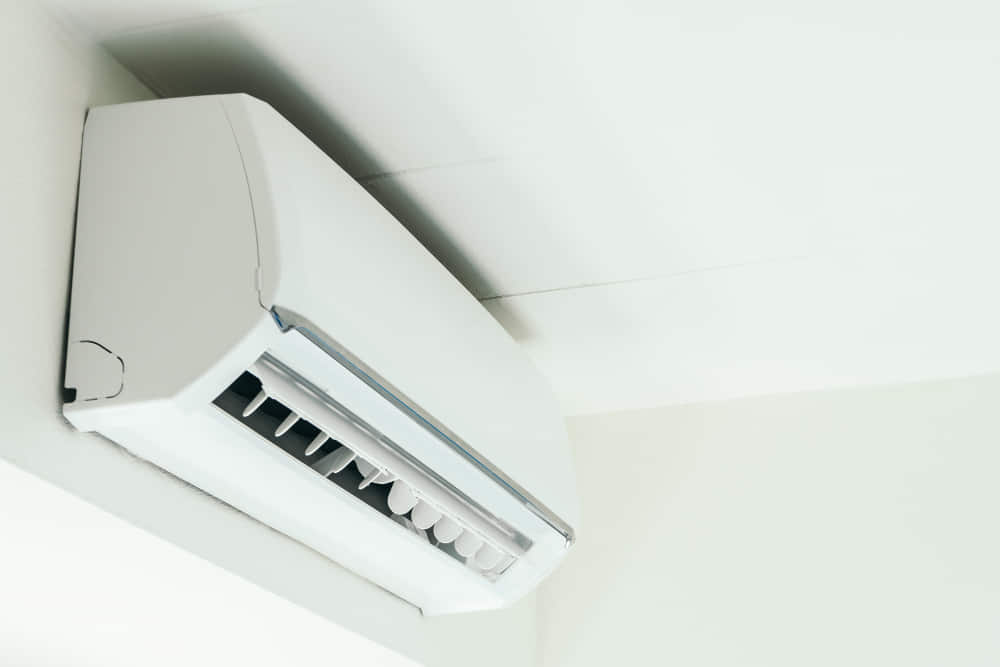
The type of air conditioner doesn’t change your room’s cooling requirements, but efficiency differences exist. Split systems generally offer better efficiency ratings compared to window units, meaning they can deliver the same cooling capacity while using less energy.
Split systems also provide quieter operation and better aesthetics. Window units remain popular for rental properties and temporary solutions, though they’re less efficient and can be noisier.
When comparing options, focus on the cooling capacity and energy rating rather than the system type. Both can effectively cool your space when properly sized.
Common Sizing Mistakes and How to Avoid Them
The biggest mistake? Guessing. Many people assume bigger is always better, leading to oversized, inefficient systems. Others underestimate their requirements, leaving them uncomfortable during heatwaves.
Another common error is ignoring environmental factors. That beautiful bay window might be gorgeous, but it significantly impacts your cooling needs. Similarly, forgetting about ceiling height or poor insulation leads to undersized selections.
Always measure accurately and consider every relevant factor. Take your time with calculations rather than rushing the decision.
Is It Better to Oversize or Undersize an Air Conditioner?
Neither option is ideal, but slight under sizing is generally preferable to significant oversizing. An undersized unit will work harder but still provide some cooling and proper dehumidification.
An oversized unit creates comfort issues through short cycling and poor humidity control. It also costs more upfront and operates inefficiently throughout its lifespan.
Aim for accurate sizing. If you’re between sizes, consider your local climate hotter regions might benefit from the larger option, while milder areas can manage with the smaller unit.
When to Call a Professional for AC Sizing Advice
Complex situations warrant professional input. Multi-storey homes, unusual room shapes, or spaces with significant heat sources benefit from expert assessment. Professionals use detailed load calculations considering every relevant factor.
If you’re investing in a whole-home ducted system, professional sizing is essential. The cost of getting it wrong far exceeds consultation fees.
For straightforward single-room installations, your own calculations should suffice but never hesitate to seek advice if you’re uncertain.
Your Next Steps to Staying Cool
Selecting the right air conditioner size doesn’t need to be complicated. By understanding the basics calculating room size, considering environmental factors, and avoiding common mistakes you’re well-equipped to make a smart choice. Remember, accurate sizing saves money, improves comfort, and extends your system’s lifespan.
Start by measuring your room carefully and noting key factors like window size, ceiling height, and sun exposure. Use the guidelines we’ve discussed to calculate your baseline requirement, then adjust for your specific circumstances. Don’t forget to consider your local climate zone it genuinely matters.
Ready to make your decision? Take those measurements, run the calculations, and choose confidently. And if your situation feels complex, there’s no shame in calling a professional. Your future self relaxed and comfortable during the next scorching summer will thank you for taking the time to get it right.