

Have you ever wondered why so many fitness enthusiasts swear by those colourful elastic bands? What if you could get a fantastic workout without bulky equipment or an expensive gym membership? And wouldn’t it be brilliant to have a portable fitness tool that travels with you anywhere?
Stretching bands, commonly known as resistance bands, have exploded in popularity across Australia and beyond. These simple yet incredibly effective tools have transformed how people approach their fitness routines. Whether you’re a complete beginner or a seasoned athlete, resistance bands offer something valuable for everyone. They’re affordable, lightweight, and surprisingly versatile.
In this article, we’ll explore the many resistance bands uses that make them such a game-changer. You’ll discover how these humble bands can improve your flexibility, build muscle, prevent injuries, and even support weight loss goals. We’ll also look at how to choose the right band for your needs and how often you should be using them. So, let’s get stuck into everything you need to know about making stretching bands part of your fitness journey.
What Are Resistance Bands and How Do They Work?
Different Types of Resistance Bands Explained
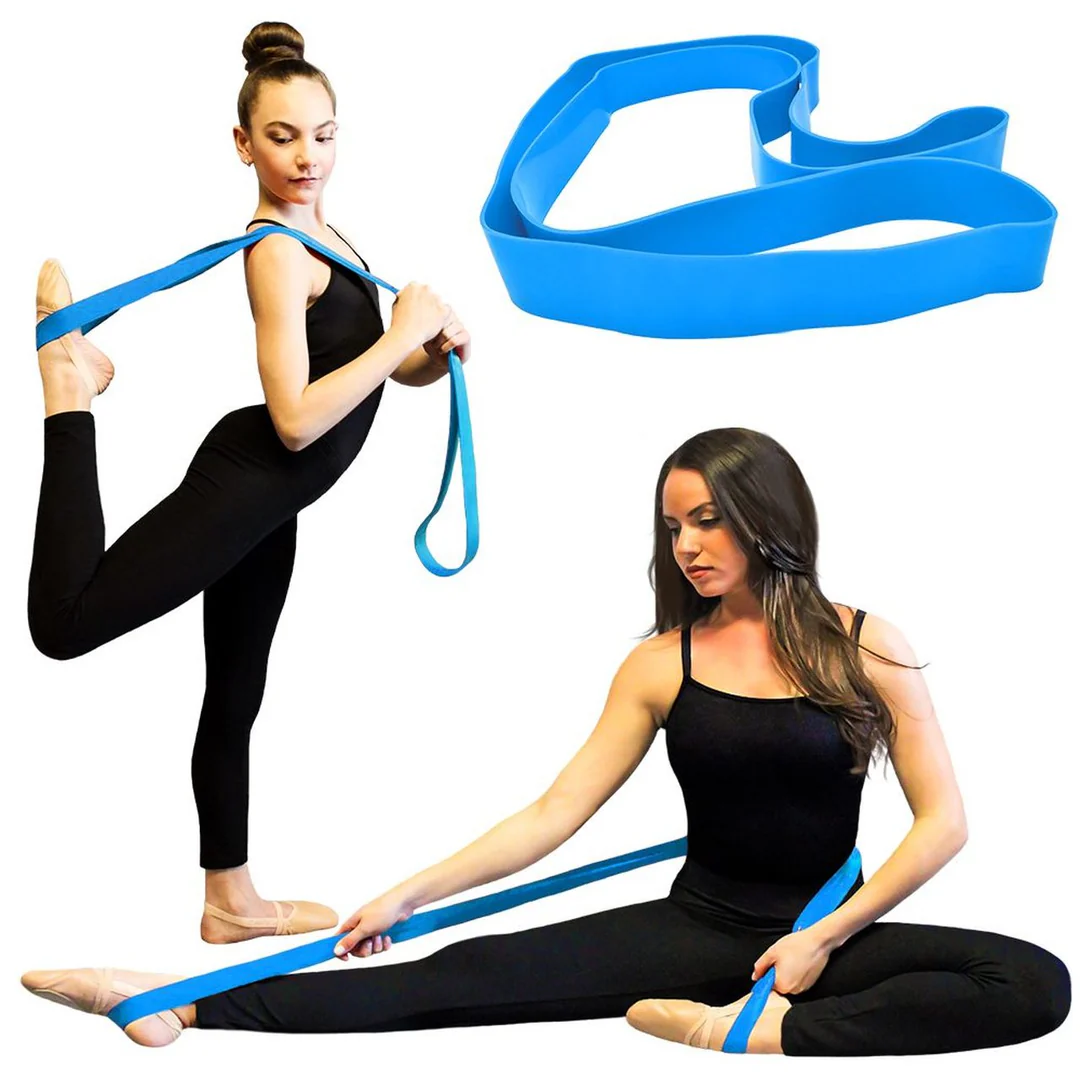
Resistance bands come in several varieties, each designed for specific purposes. Flat therapy bands are thin, wide strips often used in rehabilitation settings. Loop bands form a continuous circle and work brilliantly for lower body exercises. Tube bands with handles offer a more traditional weightlifting feel, perfect for upper body work.
You’ll also find fabric bands, which are gentler on the skin and less likely to roll up during exercises. Figure-eight bands provide unique positioning for targeted movements. The colour coding typically indicates resistance level, though this varies between brands.
How Do Resistance Bands Provide Resistance?
Unlike traditional weights that rely on gravity, resistance bands create tension through elastic stretch. The further you pull, the more resistance you encounter. This variable resistance means your muscles work throughout the entire range of motion.
This constant tension activates more muscle fibres than some traditional exercises. Your muscles must stabilise and control the movement in all directions, not just against gravity. It’s this unique mechanism that makes resistance bands uses so effective for building functional strength.
Top Resistance Bands Uses for Every Fitness Level
Resistance Bands Uses for Beginners
Starting your fitness journey? Resistance bands are your perfect companion. They offer a gentle introduction to strength training without the intimidation factor of heavy weights. Light resistance bands help you learn proper movement patterns before progressing.
Beginners can use bands for assisted exercises like supported squats or modified push-ups. The bands provide stability while building foundational strength. Simple movements like bicep curls, shoulder presses, and leg extensions become accessible and safe.
Resistance Bands Uses for Intermediate Training
Once you’ve mastered the basics, bands open up exciting possibilities. You can combine movements for compound exercises that challenge multiple muscle groups. Adding bands to bodyweight exercises like lunges or planks increases difficulty without adding impact.
Intermediate users often layer bands or use heavier resistance levels. Circuit training with bands delivers cardiovascular benefits alongside strength gains. The versatility keeps workouts fresh and engaging, preventing the dreaded plateau.
Resistance Bands Uses for Advanced Athletes
Elite athletes worldwide incorporate resistance bands into their training. Bands add accommodating resistance to traditional lifts, increasing difficulty at the strongest points of movement. Powerlifters use them to improve lockout strength on deadlifts and bench presses.
Speed and power athletes benefit from explosive band exercises. Sprinters use banded sprints to develop acceleration. The applications are genuinely endless for those willing to get creative with their training.
The Key Benefits of Stretching Bands for Your Body
Improved Flexibility and Range of Motion
Regular stretching with bands significantly improves flexibility over time. The bands allow you to ease into stretches gradually, providing gentle assistance. This makes deep stretches more accessible, especially for tight hamstrings or hip flexors.
Dynamic stretching with bands warms up muscles effectively before workouts. Static stretching post-exercise helps muscles recover and lengthen. Many yoga practitioners now incorporate bands to deepen their practice.
Enhanced Muscle Strength and Tone
Resistance bands build lean muscle tissue when used consistently. The constant tension throughout movements keeps muscles engaged longer than free weights. This time under tension promotes muscle growth and definition.
You’ll notice improved muscle tone within weeks of regular use. The bands strengthen smaller stabilising muscles often neglected by traditional training. This balanced approach creates functional strength for everyday activities.
Better Posture and Joint Health
Modern lifestyles create postural imbalances that bands can address. Exercises targeting the upper back and shoulders counteract the effects of desk work. Strengthening these areas naturally improves posture over time.
Bands are gentle on joints while still providing effective resistance. The smooth, controlled movements reduce impact stress. This makes them ideal for those with arthritis or previous joint injuries.
Are Resistance Bands Good for Weight Loss?
Absolutely! Resistance training increases metabolic rate, helping your body burn more calories at rest. Building lean muscle through band exercises transforms your body composition. Combined with cardio, bands accelerate weight loss results.
High-intensity band circuits elevate heart rate for cardiovascular benefits. The convenience means you’re more likely to stay consistent with workouts. Consistency, after all, is the real secret to successful weight management.
Can You Build Muscle with Resistance Bands Alone?
The Science Behind Muscle Activation
Research confirms that resistance bands effectively stimulate muscle growth. Studies show comparable muscle activation between bands and traditional weights for many exercises. The key lies in progressive overload—gradually increasing resistance over time.
Your muscles respond to tension, regardless of its source. Bands provide sufficient stimulus for hypertrophy when used correctly. The variable resistance actually creates unique challenges that weights cannot replicate.
Combining Bands with Bodyweight Exercises
Pairing bands with bodyweight movements supercharges your workouts. Banded push-ups increase chest activation significantly. Adding bands to squats challenges your legs throughout the entire movement.
This combination approach builds functional strength that transfers to daily life. You develop coordination, balance, and stability alongside pure strength. It’s a well-rounded approach that delivers impressive results.
Resistance Bands Uses for Injury Prevention and Rehabilitation
How Physios in Australia Use Resistance Bands
Physiotherapists across Australia rely heavily on resistance bands for patient recovery. They provide controlled, progressive resistance ideal for rebuilding strength after injury. Patients can adjust intensity simply by changing band tension or positioning.
Rehabilitation exercises target specific muscle groups weakened by injury. The low-impact nature protects healing tissues while promoting recovery. Many physios send patients home with bands to continue their rehabilitation programs.
Are Resistance Bands Safe for Bad Knees?
Yes, when used appropriately, bands are excellent for those with knee concerns. They allow strengthening of surrounding muscles without excessive joint stress. Exercises can be modified to avoid painful ranges of motion.
Building quadriceps and hamstring strength supports and protects the knee joint. Many knee rehabilitation protocols incorporate band exercises extensively. Always consult a healthcare professional for personalised guidance.
Practical Resistance Bands Uses for Home Workouts
Full-Body Workouts Without the Gym
Creating effective home workouts becomes simple with resistance bands. A single set of bands replaces an entire rack of dumbbells. You can target every major muscle group without leaving your lounge room.
Upper body exercises include rows, presses, and flyes. Lower body movements cover squats, deadlifts, and leg curls. Core exercises with bands add challenge to planks and rotational movements.
How Often Should You Use Resistance Bands?
For optimal results, aim for three to four resistance training sessions weekly. This allows adequate recovery between workouts. You can train different muscle groups on consecutive days if preferred.
Listen to your body and adjust frequency accordingly. Beginners might start with two sessions weekly, building gradually. The beauty of bands is their versatility—even light mobility work on rest days proves beneficial.
Choosing the Right Stretching Band for Your Goals
Selecting appropriate resistance levels ensures effective workouts. Beginners should start with lighter bands to master technique. Having multiple resistance levels allows progression as you strengthen.
Consider your primary goals when purchasing. Rehabilitation requires lighter, therapy-style bands. Strength training benefits from heavier loop or tube bands. A variety pack offers flexibility for different exercises and muscle groups.
Quality matters for longevity and safety. Look for bands with good reviews regarding durability. Check for latex-free options if you have allergies. Investing in decent bands saves money long-term through avoiding replacements.
Conclusion: Making Stretching Bands Part of Your Fitness Journey
Throughout this article, we’ve explored the incredible versatility of resistance bands. From building muscle and improving flexibility to supporting injury rehabilitation, the resistance bands uses are genuinely remarkable. These affordable, portable tools deliver results that rival expensive gym equipment.
The beauty of stretching bands lies in their accessibility. Whether you’re recovering from injury, just starting your fitness journey, or looking to level up your training, there’s a band for you. The low barrier to entry means anyone can begin experiencing the benefits immediately.
I genuinely encourage you to give resistance bands a fair go. Start with basic exercises, stay consistent, and gradually increase resistance as you progress. Your body will thank you for this investment in your health and fitness. The journey to a stronger, more flexible you might just start with a simple elastic band.