


Taking care of your eyes is one of the most important things you can do for your quality of life. In Australia, where our lifestyle often revolves around the outdoors and the sun can be particularly harsh, having a reliable eye care professional is vital. Many people think about visiting an eye doctor only when they squint to read a sign or struggle to see a menu in a dim restaurant. However, looking after your vision involves much more than fixing blurry sight.
This guide explores everything you need to know about what an optometrist does, why regular visits are crucial for your overall health, and how the eye care system works here in Australia. Whether you are looking for new frames or concerned about eye health, understanding these services will help you make better decisions for yourself and your family.
Why Eye Health Matters in the Australian Climate
Living in Australia comes with specific challenges for our eyes. We enjoy a beautiful climate, but we also face some of the highest levels of ultraviolet (UV) radiation in the world. This exposure can lead to serious eye conditions over time, such as cataracts, pterygium (often called surfer’s eye), and even macular degeneration.
An optometrist is your first line of defense against these environmental factors. They do more than check if you need glasses. They assess the health of the eye surface and the structures inside. When you visit a local practice, they consider your lifestyle. If you spend your weekends at the beach, driving long distances, or working in an office with air conditioning, your eyes face different stressors.
Proper eye protection is necessary for everyone. This includes high-quality sunglasses that meet Australian standards. Your optometrist can guide you toward lenses that offer genuine protection rather than just looking good. They understand the local environment and can recommend solutions that fit your daily routine.
What Does an Optometrist Do?
An optometrist is a primary health care provider trained to examine eyes to detect defects in vision, signs of injury, ocular diseases, or abnormality and problems with general health. In Australia, they are university-trained professionals who must be registered with the Australian Health Practitioner Regulation Agency (AHPRA).
Their role covers a broad spectrum of services:
- Vision Testing: Determining if you are nearsighted, farsighted, or have astigmatism.
- Prescription: Prescribing spectacles or contact lenses to correct vision.
- Health Screening: detecting eye diseases like glaucoma, cataracts, and macular degeneration.
- Systemic Health Detection: Identifying signs of broader health issues like diabetes or high blood pressure that often show early symptoms in the eye.
- Therapeutics: Some optometrists are endorsed to prescribe eye drops for treating minor eye infections and inflammation.
When you book an appointment, you are engaging a professional who looks at the complete picture of your visual system.
The Comprehensive Eye Examination Process
Many people feel a bit nervous if they have not had an eye exam in a long time. Knowing what happens during the consultation can put your mind at ease. A standard consultation with an optometrist usually follows a structured path designed to be thorough yet comfortable.
Discussing Your History
The session begins with a conversation. The professional will ask about your vision history, your family’s eye health history, and your general health. They need to know if you take medications or if you have noticed headaches or eye strain. This discussion helps them tailor the exam to your specific needs.
Vision and Refraction
This is the part most people recognize. You will read letters on a chart, usually a digital screen. The optometrist uses a piece of equipment called a phoropter. You look through different lenses while they ask, “Is it clearer with one or two?” This process, called refraction, determines the exact power required for your glasses or contact lenses to give you the sharpest vision possible.
Checking Eye Health
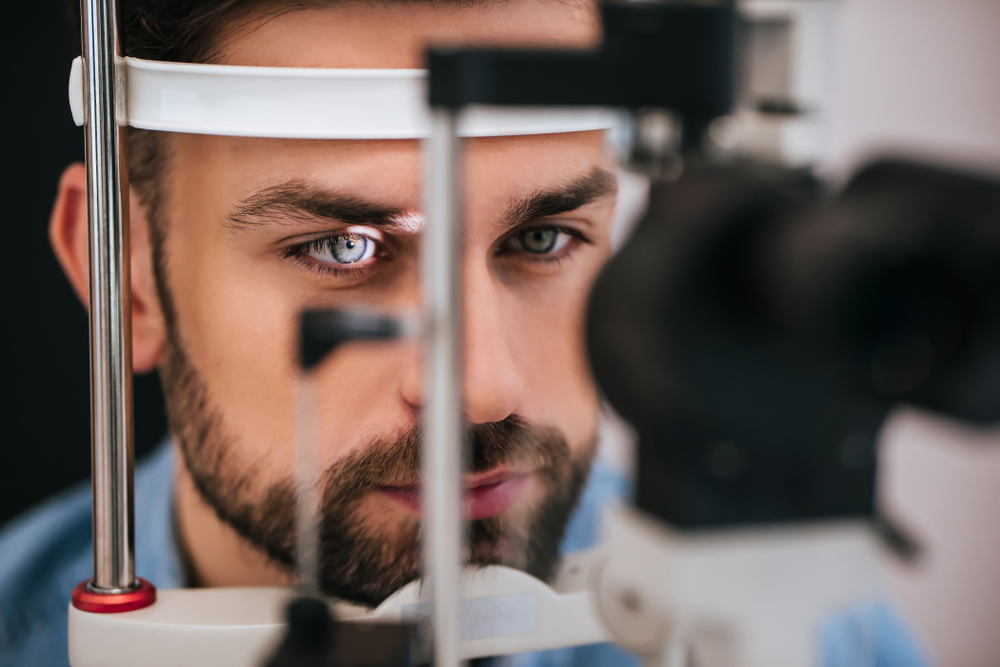
The health check is equally critical. The practitioner uses a slit lamp, which is a powerful microscope with a bright light, to examine the front surface of your eye. They look at the cornea, iris, and lens.
To see the back of the eye, they might use retinal imaging or Optical Coherence Tomography (OCT). These technologies take detailed pictures of the retina, the optic nerve, and the macula. These scans are painless but provide a wealth of information. They act like a fingerprint of your eye health, allowing the optometrist to track tiny changes over time that might indicate the start of a condition.
Eye Pressure Test
You may also undergo a test to measure the pressure inside your eyes. High eye pressure is a risk factor for glaucoma, a condition that damages the optic nerve. This test is quick and usually involves a puff of air or a gentle probe with a specialized light.
Early Detection of Eye Conditions
One of the main reasons to see an optometrist regularly is early detection. Many serious eye conditions do not have obvious symptoms in the early stages. You might have perfect vision but still have an underlying issue.
Glaucoma: Often called the “silent thief of sight,” glaucoma causes gradual loss of peripheral vision. By the time you notice it, the vision loss is permanent. Regular checks can catch it early when it can be managed effectively.
Macular Degeneration: This affects the central part of your vision, which is essential for reading and recognizing faces. It is a leading cause of blindness and vision impairment in Australia. Early identification allows for lifestyle changes or treatments that can slow its progression.
Diabetic Retinopathy: For those with diabetes, high blood sugar can damage the blood vessels in the back of the eye. Regular screening is mandatory for anyone with diabetes to prevent severe vision loss.
Your optometrist plays a pivotal role in managing these risks. If they detect something that requires surgery or advanced medical treatment, they will refer you to an ophthalmologist (an eye specialist).
Glasses: Combining Fashion and Function
Once the examination is complete, you might need vision correction. This leads to the selection of frames and lenses. This process is where medical necessity meets personal style.
Choosing the Right Frames
Your glasses are one of the first things people notice about you. They sit on your face every day. Therefore, finding a frame that suits your face shape, skin tone, and personality is important. A good optical dispenser or optometrist will help you find a frame that fits physically and aesthetically. A frame that slides down your nose or pinches behind your ears will be uncomfortable and may impact how well you see.
Lens Technology
The lenses are the engine of your glasses. Technology has advanced significantly.
- Multifocals: These allow you to see distance, intermediate, and near objects without changing glasses. Modern designs offer a wider field of view and less distortion than older types.
- Anti-Reflective Coatings: These reduce glare from computer screens and oncoming headlights at night. They also make the lenses look invisible so people can see your eyes.
- Photochromic Lenses: These lenses darken automatically when you go outside. In the bright Australian sun, this adds a layer of convenience and protection.
- Blue Light Filters: For those who spend hours in front of digital screens, these coatings can help reduce eye strain and improve visual comfort.
Contact Lenses for an Active Lifestyle
Glasses are not always the best option for every activity. If you play sports, enjoy running on the coast, or simply prefer a natural look without frames, contact lenses are a fantastic alternative.
Modern contact lenses are more comfortable and breathable than ever before. An optometrist will measure the curvature of your eye to ensure a perfect fit. They will teach you how to insert and remove them safely.
There are daily disposable options, which are great for hygiene and convenience because you wear a fresh pair every day. There are also lenses designed for astigmatism and multifocal contact lenses for those who need help with reading.
It is important to remember that contact lenses are medical devices. They sit directly on your eye. Buying them without a proper prescription or fitting can lead to infections or damage to the cornea. Regular reviews with your optometrist ensure your eyes remain healthy while wearing contacts.
Children’s Vision: Setting Up for Success
Vision is the primary way children learn. Experts estimate that a massive portion of learning in a classroom is visual. If a child cannot see the board clearly or has trouble focusing on a book, their education suffers. They may be misdiagnosed with behavioral issues or learning difficulties when the real problem is simply that they need glasses.
Children often do not complain about their vision because they assume everyone sees the way they do. They do not know that leaves on trees should be individual distinct shapes rather than a green blur.
It is recommended that children have a full eye examination with an optometrist before starting school and regularly throughout their education. The exam for a child is different from an adult. It uses shapes and matching games if they cannot read yet. The optometrist checks for:
- Lazy Eye (Amblyopia): Where one eye does not develop normal vision.
- Turned Eye (Strabismus): Where the eyes do not point in the same direction.
- Focusing Issues: Difficulty shifting focus from the desk to the board.
Catching these issues early is critical because the visual system is still developing. Treatment is most effective when started young.
The Medicare System and Private Health
In Australia, the cost of eye care is supported by the government through Medicare. For most Australian residents, a comprehensive eye test with an optometrist is eligible for a Medicare rebate. This often means the exam is bulk billed, resulting in no out-of-pocket expense for the consultation itself, depending on the practice’s billing policy.
If you have private health insurance with extras cover, your policy likely contributes toward the cost of prescription glasses, sunglasses, or contact lenses. The amount you can claim depends on your level of cover. Many people have a limit that resets every calendar year or financial year. It is wise to check your fund details so you do not miss out on benefits you are paying for.
Using these benefits allows you to invest in higher quality lenses or frames that might otherwise be outside your budget.
Digital Eye Strain in the Modern World
We live in a digital age. Most of us spend hours staring at smartphones, tablets, and computer monitors. This has led to a rise in digital eye strain. Symptoms include dry eyes, headaches, blurred vision, and neck pain.
When you focus on a screen, you blink less often. This causes the tear film on your eye to evaporate, leading to irritation. An optometrist can advise on strategies to combat this. The “20-20-20 rule” is a common recommendation: every 20 minutes, look at something 20 feet away for 20 seconds.
However, sometimes simple breaks are not enough. You might need “computer glasses” which are specifically tuned for the distance of your monitor, relaxing the focusing muscles in your eyes. This serves as a great example of how an optometrist solves lifestyle problems, not just vision problems.
The Importance of Local, Independent Care
When choosing an optometrist, you often have the choice between large chain stores and independent practices. While both employ qualified professionals, independent practices often provide a different experience. They are frequently owned by the optometrist who works there. This means you are likely to see the same person every time you visit. This continuity of care is valuable. The practitioner gets to know your eyes and your history intimately.
Independent practices often have the freedom to source frames and lenses from a wider variety of suppliers. They are not locked into a specific corporate inventory. This means they can offer unique eyewear and utilize specific lens technologies that are perfectly suited to your requirements. Supporting a local business also keeps the community strong.
Protecting Your Eyes at Work
Occupational eye safety is another area where your optometrist can help. If you work in construction, manufacturing, or even in a chemistry lab, standard glasses are not enough. You need certified safety eyewear.
Prescription safety glasses are made with impact-resistant lenses and robust frames that meet Australian Safety Standards. Wearing your regular glasses under goggles can be uncomfortable and foggy. Custom safety eyewear solves this, ensuring you are safe and seeing clearly on the job.
Even office environments have hazards, mostly related to lighting and screen glare. Discussing your work environment during your exam ensures you get the best advice for your daily grind.
When Should You Visit?
You should not wait for a problem to appear. Routine maintenance is key. For most adults, an eye test every two years is the standard recommendation. For people over 65, or those with diabetes or a family history of eye disease, annual visits are usually better.
If you experience sudden changes, such as flashes of light, new floaters, a curtain over your vision, or pain, you should see an optometrist immediately. These can be signs of urgent conditions like retinal detachment.
Your eyes are irreplaceable. They allow you to see the faces of your loved ones, enjoy the beauty of the Australian landscape, and perform your work. Giving them the care they deserve is a small investment of time that yields massive benefits for your future.
Questions and Answers: Common Questions About Optometrist in Australia
Q: How often should I see an optometrist?
For most healthy adults and children, a comprehensive eye examination is recommended every two years. However, if you are over 65, have diabetes, or have a family history of eye conditions like glaucoma, your optometrist will likely recommend you visit every 12 months. Always follow the specific advice given by your practitioner based on your clinical needs.
Q: Do I need a referral from a GP to visit an optometrist?
No, you do not need a referral. In Australia, optometrists are primary contact practitioners. You can book an appointment directly with them. If they detect a medical issue that requires surgery or advanced specialist treatment, they will then write a referral for you to see an ophthalmologist.
Q: Does Medicare cover the cost of my appointment?
Yes, Medicare provides benefits for eye examinations for Australian residents who hold a valid Medicare card. Many practices offer bulk billing, which means Medicare pays the optometrist directly and you pay nothing for the consultation. Some practices may charge a gap fee for advanced testing or longer consultations, so it is best to ask when you book.
Q: What is the difference between an optometrist and an ophthalmologist?
An optometrist is your primary eye care provider for exams, glasses, contact lenses, and detecting eye disease. An ophthalmologist is a medical doctor who specializes in the eye. They perform surgery (like cataract removal or laser eye surgery) and treat complex eye diseases. You usually see an optometrist first, who will refer you to an ophthalmologist if necessary.
Q: Can an optometrist fix a scratched lens on my glasses?
Unfortunately, scratched lenses generally cannot be repaired. Polishing a lens to remove a scratch would change the prescription and cause vision distortion. If your lenses are scratched, the best solution is to visit your optometrist to have new lenses fitted into your existing frames.
Conclusion: Your Path to a Successful Optometrist in Australia
Finding the right optometrist is a cornerstone of maintaining a healthy lifestyle. Your vision connects you to the world, and protecting it requires professional care that goes beyond a simple vision chart. By choosing a comprehensive service, you ensure that every aspect of your eye health is monitored, from the clarity of your sight to the physical health of your retina.