

The landscape of marriage proposals in Australia is shifting. While the classic white diamond solitaire remains a beautiful option, there is a growing movement toward colour, personality, and unique expression. As we look ahead, the demand for gemstone engagement rings is set to define the bridal jewellery market in 2026.
For many Australian couples, a ring is a symbol of a shared life, and that life is rarely one-note. It is vibrant and full of character. This is why coloured stones are taking centre stage. Whether it is the deep oceanic blues of a sapphire or the warm, romantic hues of a morganite, choosing a coloured stone allows for a level of personal storytelling that clear diamonds sometimes miss.
This guide explores the upcoming trends, the practicalities of wearing coloured stones in the Australian climate and lifestyle, and what you need to know before making a decision.
Why Australian Couples Are Choosing Colour
The shift toward gemstone engagement rings is not a passing fad. It is rooted in a desire for individuality. In a world of mass production, having a ring that looks unlike anyone else’s is highly appealing.
Australia has a rich history with coloured gems, particularly with our native sapphires. This local connection makes the choice feel grounded and authentic. Furthermore, the Australian lifestyle plays a role. We spend a lot of time outdoors, from the coast to the bush. The way natural sunlight hits a teal sapphire or a ruby creates a visual experience that indoor lighting simply cannot replicate.
Choosing a gemstone also opens up new possibilities for design. You are not limited to the standard cuts found in diamond rings. You can explore elongated shapes, vintage cuts, and settings that frame the colour in artistic ways.
Trend 1: The Return of the Australian Parti Sapphire
Heading into 2026, the absolute standout trend for gemstone engagement rings in Australia is the Parti sapphire.
Unlike traditional blue sapphires that offer a single, uniform colour, Parti sapphires are polychromatic. This means they show two or more colours in the same stone. Most commonly, you will see flashes of blue, green, and yellow. These stones are predominantly mined in Australia, making them an ethical and local choice that supports the domestic industry.
Why They Are Trending
- Uniqueness: No two Parti sapphires are exactly alike. The way the colours blend depends on the crystal structure, meaning your ring is truly one-of-a-kind.
- Durability: Sapphires rank 9 on the Mohs scale of hardness. This is second only to diamonds. For an engagement ring worn every single day, this hardness is vital to prevent scratches and chips.
- Colour Play: The mix of green and gold mimics the Australian landscape, resonating deeply with local buyers.
When looking for gemstone engagement rings featuring these stones, pay attention to the cut. A skilled cutter will orient the stone to maximize the separation of colours, ensuring you get that distinct bi-colour or tri-colour flash.
Trend 2: Warm Hues and Peach Tones
While blue has historically been the dominant alternative to diamonds, 2026 will see a surge in warmer tones. We are moving away from the icy cool tones of the past decade and embracing warmth.
Stones like Morganite, Peach Sapphire, and Padparadscha Sapphire are leading this charge. These stones range from soft baby pinks to vibrant oranges and sunset peaches. They pair exceptionally well with rose gold bands, creating a seamless, romantic look that feels soft and feminine.
The Morganite Consideration
Morganite has been popular for a few years, but buyers must be aware of maintenance. Morganite is a beryl, the same family as emeralds. It can attract oils and lotions, which can make the stone look cloudy if not cleaned regularly.
The Peach Sapphire Alternative
For those who love the look of morganite but want higher durability for their gemstone engagement rings, the peach sapphire is the superior choice for 2026. It offers that same warm glow but with the hardness of corundum (sapphire), ensuring it stays sparkling even with daily wear.
Trend 3: Vintage Cuts with a Modern Twist
The cut of the stone dictates its personality. In 2026, we are seeing a move away from the standard Brilliant Round cut toward shapes that evoke a sense of history.
Emerald Cuts
The Emerald cut is a “step cut.” Instead of the sparkly, crushed-ice look of a brilliant cut, it features long, parallel facets that create a hall-of-mirrors effect. This cut is unforgiving; it shows inclusions clearly. However, when applied to high-clarity gemstone engagement rings, it deepens the colour saturation. An emerald-cut emerald or deep blue sapphire looks incredibly sophisticated and regal.
Ovals and Pears
Elongated shapes like Ovals and Pears are highly desirable because they lengthen the finger. They maximize the carat weight, meaning the stone looks larger than a round stone of the same weight. This trend combines the vintage aesthetic with modern sizing preferences.
Trend 4: The Boldness of Rubies and Red Spinels
Red is the colour of passion, and it is making a strong comeback. For a long time, rubies were seen as “old-fashioned,” but modern setting styles have revitalized them.
A high-quality ruby is rarer than a diamond. In 2026, we expect to see rubies set in yellow gold, a combination that feels rich and royal. However, there is a rising star in the red category: The Red Spinel.
The Rise of Spinel
For a long time, spinels were mistaken for rubies (even in the Crown Jewels). Today, they are appreciated in their own right. They have high brilliance and excellent durability. For couples seeking gemstone engagement rings that stand out, a vivid red or deep pink spinel offers an intense neon-like glow that rubies sometimes lack. They are also generally untreated, whereas most rubies on the market are heat-treated to enhance colour.
Trend 5: Practical Settings for Active Lifestyles
The design of the ring is not just about aesthetics; it is about wearability. Australian women are active. We swim, we play sports, and we work with our hands. A high-set stone with delicate prongs is often impractical for this lifestyle.
The trend for 2026 focuses on low-profile and secure settings.
The Bezel Setting
This is where metal completely surrounds the perimeter of the stone. It is the most secure setting available. It protects the edges of the gemstone from chipping. While bezel settings were once considered chunky, modern techniques allow for thin, delicate rims of metal that highlight the shape of the stone without overwhelming it.
Low-Profile Designs
Low-profile rings sit close to the finger. They are less likely to catch on pockets, hair, or knitwear. This practical approach to gemstone engagement rings ensures that the ring remains a joy to wear rather than a source of worry.
Selecting the Right Metal
The metal you choose frames the gemstone and influences how the colour is perceived.
- Yellow Gold: This is the classic choice. It warms up blue and green stones and complements rubies perfectly. It is seeing a massive resurgence in popularity.
- Platinum: The best choice for durability. It is naturally white and does not fade. It provides a cool contrast to warm stones like peach sapphires.
- Rose Gold: The go-to for pink and peach stones. It blends with the stone to create a monochromatic look.
- White Gold: A more affordable alternative to platinum, though it requires rhodium plating over time to maintain its bright white finish.
Understanding Durability and Daily Wear
When you choose gemstone engagement rings, you must consider the Mohs scale of mineral hardness. This scale ranks minerals from 1 (talc) to 10 (diamond).
- Diamond:10 (Hardest)
- Sapphire/Ruby:9 (Excellent for daily wear)
- Spinel:8 (Very good)
- Emerald/Morganite/Aquamarine:5 – 8 (Requires care)
Dust contains silica, which is a 7 on the Mohs scale. If your gemstone is softer than 7, simply wiping dust off it can cause micro-scratches over time. This is why sapphires and rubies are the most recommended alternatives to diamonds for engagement rings. If you choose a softer stone like an emerald, you must be prepared to wear it with a degree of caution.
Ethical Sourcing in Australia
Australians are becoming increasingly conscious of where their products come from. The jewellery industry has sometimes had a murky past regarding sourcing.
Fortunately, Australia has strict regulations regarding mining and labour. Choosing Australian sapphires guarantees that the stone was mined under fair labour laws and with environmental rehabilitation plans in place.
When discussing gemstone engagement rings with your jeweller, ask about the origin of the stone. A reputable jeweller will be transparent about whether the stone is natural, treated, or lab-grown, and where it was sourced.
Lab-Grown Gemstones
Technology has advanced to the point where we can create rubies, sapphires, and emeralds in a lab. These have the exact same chemical and physical properties as mined stones. They are not fakes; they are real gems grown above ground.
For 2026, lab-grown gemstones are a significant trend for budget-conscious buyers or those who want a flawless look. Natural stones often have “inclusions” or flaws, which are part of their character. Lab-grown stones can be created to have high clarity and vivid colour consistency.
Custom Design Process
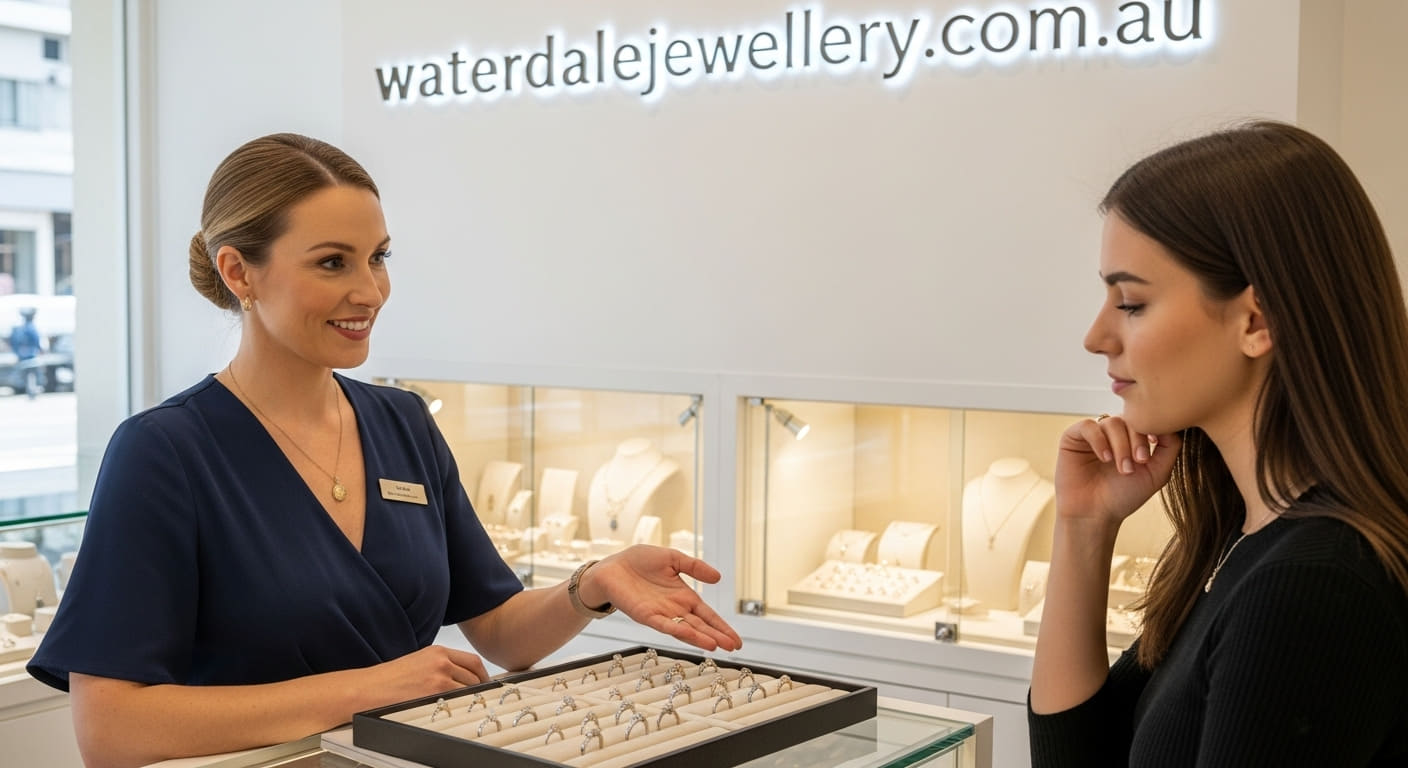
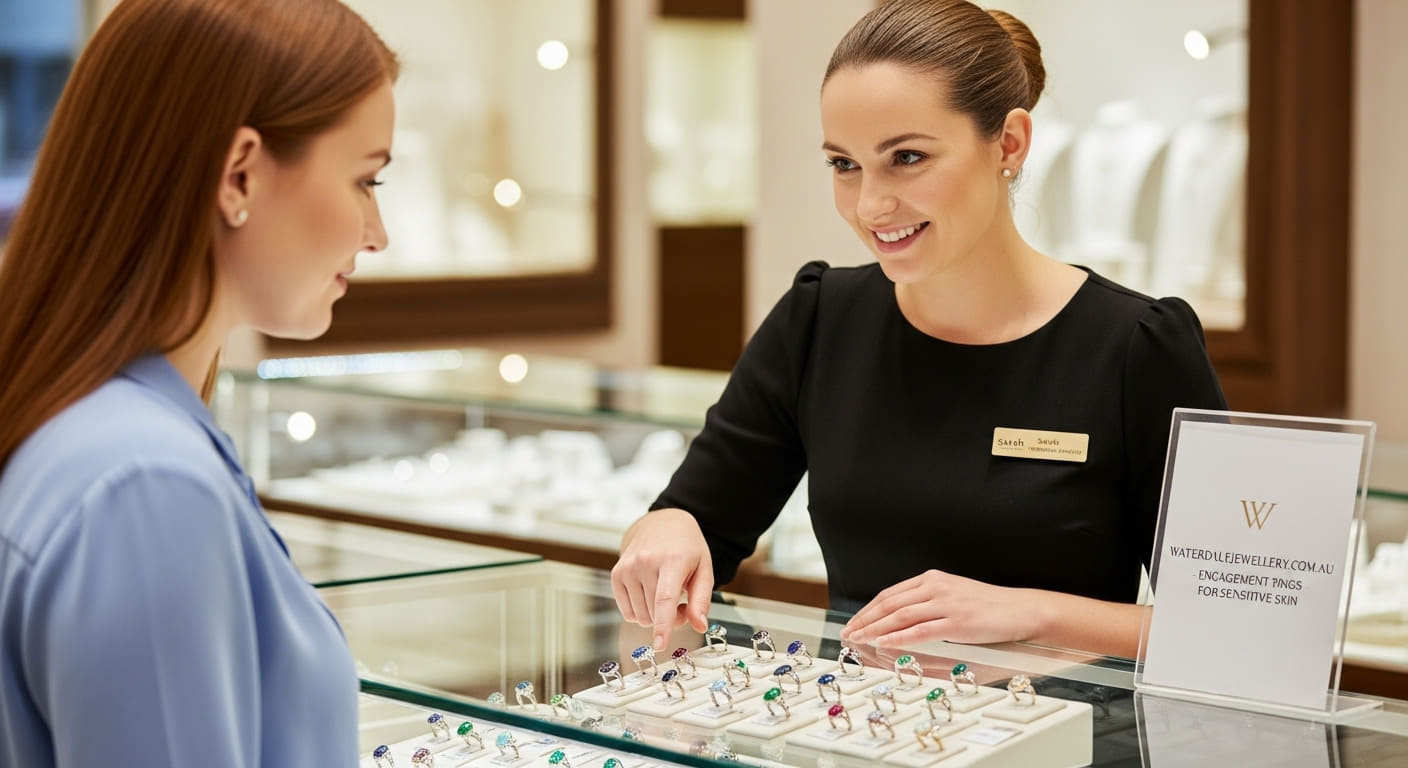
Going custom is the best way to get exactly what you want. At places like Waterdale Jewellery, the process involves selecting the loose stone first. This is the most important step. You can see how the colour changes in different lights.
Once the stone is selected, the design is built around it. This is particularly important for gemstone engagement rings because coloured stones vary in depth and shape more than diamonds. A pre-made setting often won’t fit a unique sapphire perfectly. A custom setting ensures the metal hugs the stone securely and aesthetically.
Questions and Answers: Common Questions About gemstone engagement rings in Australia
Q: Are gemstone engagement rings suitable for daily wear?
Yes, but it depends heavily on the specific stone. Sapphires and rubies are excellent for daily wear because they are very hard and durable. Softer stones like emeralds, opals, or pearls require much more care and may not be suitable for wearing 24/7, especially if you have an active lifestyle or work with your hands.
Q: How do Australian sapphires differ from other sapphires?
Australian sapphires are famous for their unique colour combinations. While sapphires from places like Sri Lanka are often a light, cornflower blue, Australian stones are typically darker blue or “Parti” coloured (mixing blue, green, and yellow). They have a distinct personality and are highly regarded for their ethical sourcing standards.
Q: Is it difficult to clean a gemstone engagement ring?
Generally, no. For most hard stones like sapphires and rubies, warm water with a little mild dish soap and a soft toothbrush is the best cleaning method. However, you should avoid ultrasonic cleaners for emeralds, as the vibrations can damage them. Always check with your jeweller for specific care instructions for your stone.
Q: Do coloured gemstones hold their value?
High-quality coloured gemstones, particularly untreated sapphires, rubies, and emeralds, can hold value very well. Rarity is key. A rare, high-clarity Australian Parti sapphire or a vivid red ruby is a tangible asset. However, like all jewellery, you should buy primarily for love and enjoyment rather than strictly as a financial investment.
Q: Can I design my own ring with a coloured stone?
Absolutely. In fact, custom design is recommended for gemstone engagement rings. Because coloured stones come in non-standard shapes and depths, a custom setting ensures the stone is secure and displayed correctly. It allows you to choose the exact hue that suits your partner’s skin tone and style.
Conclusion: Your Path to a Successful gemstone engagement rings in Australia
Selecting an engagement ring is one of the most personal purchases you will ever make. As we approach 2026, the trend is moving clearly toward authenticity and colour. Whether you are drawn to the deep, complex greens of an Australian sapphire or the fiery passion of a ruby, there is a stone that tells your story better than any other.
The key to a successful purchase lies in understanding the balance between beauty and durability. By choosing a stone that suits your lifestyle and working with trusted local experts like Waterdale Jewellery, you ensure that the ring you place on your partner’s finger will last a lifetime.
Take the time to view stones in person. Watch how they react to the Australian sun. Prioritize a secure setting that protects your investment. When you choose gemstone engagement rings that are well-crafted and thoughtfully selected, you are creating a modern heirloom that will be cherished for generations.