


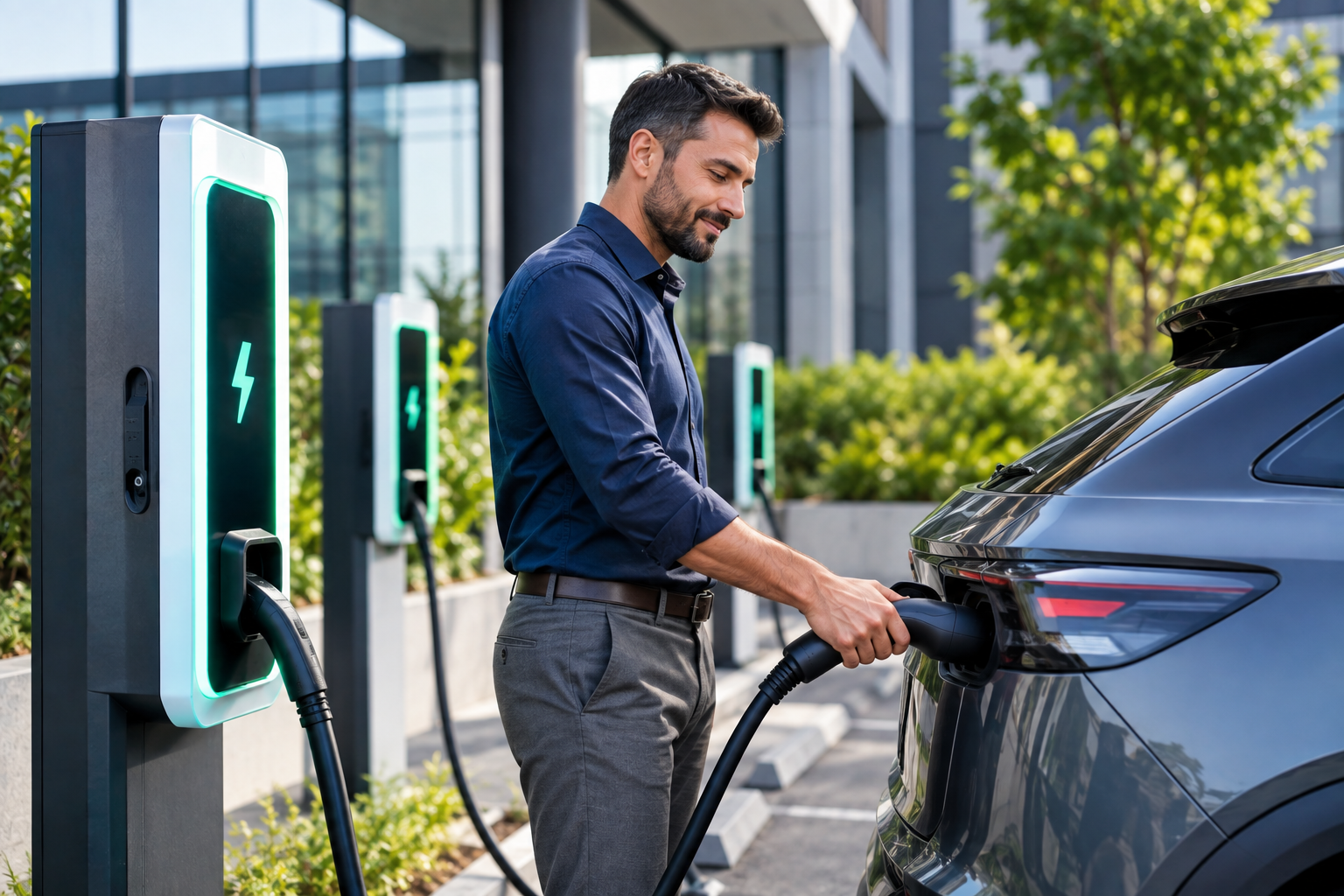
Ever wondered why more and more cars in your office car park are plugged in these days? Have you noticed your employees asking about EV charging facilities? Are you starting to feel like your business might be falling behind if you don’t offer charging options?
You’re not alone. Electric vehicles are rapidly becoming the norm across Australia, and workplaces are emerging as prime locations for charging infrastructure. With Australians spending an average of eight hours at work, it makes perfect sense that employees want to top up their vehicles while they’re busy at their desks. What was once a nice-to-have perk is quickly becoming an expectation for forward-thinking businesses.
In this guide, we’ll explore everything you need to know about workplace charging stations. From understanding the different types of chargers available to calculating your return on investment, we’ve got you covered. You’ll learn about smart charging technology, installation considerations, and how to create fair usage policies. Whether you’re just starting to consider EV charging or you’re ready to take the plunge, this article will give you the knowledge you need to make informed decisions for your business.
What Is Workplace Charging Stations?
Workplace charging stations are dedicated EV charging points installed at business premises for employees, visitors, or fleet vehicles. Think of them as the modern equivalent of providing a staff car park—except now you’re offering fuel too.
How Do EV Charging Stations Work?
EV chargers convert alternating current (AC) from the grid into power that charges your vehicle’s battery. The charger communicates with the vehicle to manage the charging rate safely. Most workplace chargers use either Level 2 (AC) or DC fast charging technology, depending on your needs and budget.
Types of EV Chargers for Commercial Use
Level 2 chargers are the most common choice for workplaces. They deliver between 7kW and 22kW of power and can fully charge most EVs within a standard workday. DC fast chargers offer much quicker charging times but come with significantly higher installation costs. They’re typically better suited for retail locations or fleet depots where rapid turnaround is essential.
What is a Smart EV Charging Solution?
Smart charging goes beyond simply providing power. These systems include software that manages energy distribution, tracks usage, handles payments, and provides detailed reporting. They’re the difference between a basic charger and a fully integrated charging ecosystem.
The Business Case for Installing Workplace EV Chargers
Let’s talk money. Every business decision needs to make financial sense, and workplace charging is no exception.
How Much Does It Cost to Install an EV Charger at Work?
Installation costs vary considerably based on your existing electrical infrastructure. A single Level 2 charger typically costs between $2,000 and $5,000 for the unit itself. Installation can add another $1,000 to $10,000, depending on electrical upgrades needed. For multiple chargers, costs per unit generally decrease.
Are There Government Incentives for Workplace EV Charging in Australia?
Yes, there are! Various state and federal programs offer rebates and incentives for businesses installing EV infrastructure. These can significantly offset your initial investment. Check with your state government’s energy department for current offerings, as programs frequently update.
Return on Investment: What Businesses Need to Know
Your ROI depends on several factors:
– Energy cost recovery through employee payments
– Tax benefits and depreciation allowances
– Reduced fleet fuel costs if applicable
– Intangible benefits like improved recruitment and brand perception
Most businesses see positive returns within three to five years, even faster with government incentives.
Benefits of EV Charging Stations for Businesses
Beyond the numbers, workplace charging delivers some impressive advantages that can transform your business.
Attracting and Retaining Top Talent
Today’s workforce, particularly younger employees, actively seek employers who demonstrate environmental responsibility. Offering EV charging signals that your company is progressive and cares about sustainability. It’s a genuine differentiator in competitive job markets.
Enhancing Your Corporate Sustainability Goals
If your business has net-zero commitments or sustainability targets, workplace charging is a tangible action that demonstrates progress. It reduces scope 3 emissions when employees charge at work using renewable energy sources.
Can Businesses Charge Employees for Using Workplace EV Chargers?
Absolutely. Many businesses implement cost-recovery models where employees pay per kilowatt-hour used. Smart charging systems make this straightforward with automated billing and payment processing. Some companies choose to offer charging as a free benefit, while others charge at cost or slightly below commercial rates.
Boosting Your Brand Image and Customer Appeal
Having visible EV chargers shows customers and visitors that your business is forward-thinking. For retail and hospitality businesses, charging stations can attract EV-driving customers who’ll spend time (and money) while their vehicle charges.
Choosing the Best Commercial EV Charging Stations
Not all chargers are created equal. Making the right choice now saves headaches later.
Key Features to Look for in Workplace Chargers
When evaluating options, prioritise:
– Durability and weather resistance for outdoor installations
– Network connectivity for remote management
– User authentication options
– Payment integration capabilities
– Warranty and support from reputable manufacturers
Level 2 vs DC Fast Chargers: Which is Right for Your Business?
For most workplaces, Level 2 chargers hit the sweet spot. Employees typically park for several hours, giving plenty of time for charging. DC fast chargers make sense when you need rapid turnaround—think taxi fleets, delivery services, or customer-facing locations where people stop briefly.
How Many EV Chargers Does a Workplace Need?
Start by surveying your current EV-driving employees and consider future growth. A good rule of thumb is one charger for every five to ten EV drivers, assuming people share and don’t need full charges daily. Smart scheduling systems help maximise charger utilisation.
Smart EV Charging Solutions: What Makes Them Different?
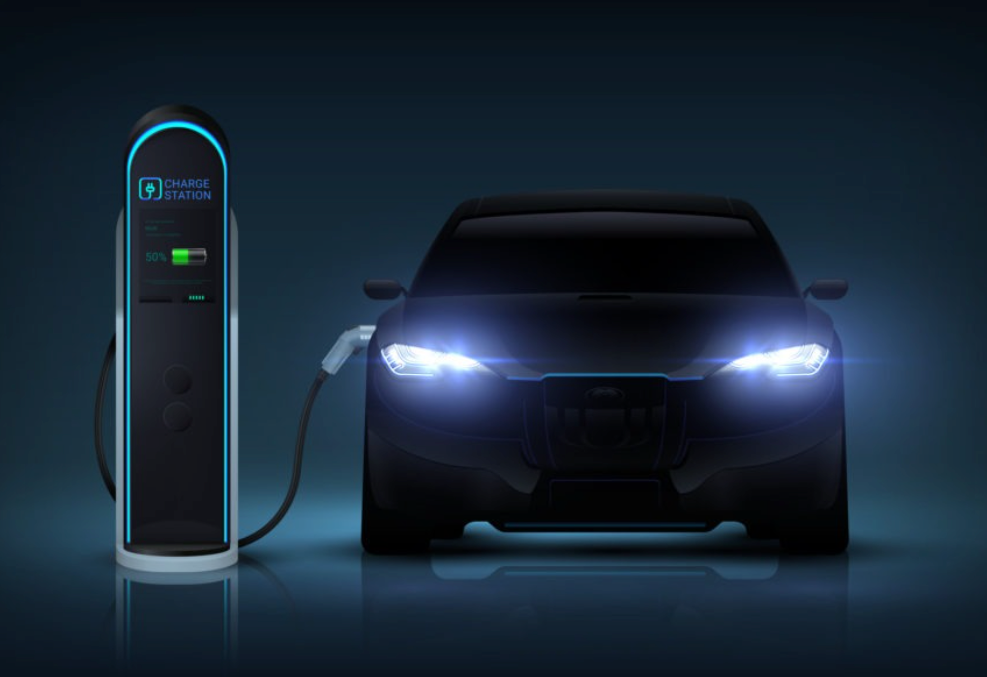
Smart charging technology transforms basic charging infrastructure into an intelligent system that works for your business.
Load Management and Energy Optimisation
Smart systems distribute available power across multiple vehicles based on demand. This prevents overloading your electrical infrastructure and reduces the need for costly upgrades. During peak demand periods, the system can throttle charging rates or prioritise certain users.
User Access Control and Payment Systems
Control who uses your chargers and how. Options include RFID cards, smartphone apps, or PIN codes. Integrated payment systems handle billing automatically, whether you’re charging employees, visitors, or the public.
Real-Time Monitoring and Reporting
Track energy consumption, charger utilisation, and costs through intuitive dashboards. Generate reports for sustainability reporting, expense management, or identifying usage patterns. This data helps optimise your charging infrastructure over time.
Installation and Maintenance Considerations
Getting your installation right from the start ensures reliable operation for years to come.
What is the Installation Process for Workplace EV Chargers?
The process typically involves site assessment, electrical capacity evaluation, charger selection, installation by qualified electricians, and commissioning. Expect the entire process to take four to twelve weeks, depending on complexity.
Electrical Infrastructure Requirements
Your existing electrical capacity might limit installation options. Some sites need switchboard upgrades or dedicated circuits. A qualified electrical contractor should assess your site before making purchasing decisions.
Ongoing Maintenance and Support
Modern chargers require minimal maintenance—typically annual inspections and occasional software updates. Choose suppliers offering responsive support and reasonable warranty terms. Budget approximately 5-10% of hardware costs annually for maintenance.
Common Challenges and How to Overcome Them
Every workplace faces unique challenges when implementing EV charging. Here’s how to address the most common ones.
Managing High Demand and Charger Availability
Implement booking systems or time limits to ensure fair access. Smart charging software can notify users when charging is complete, prompting them to move their vehicle.
Addressing Employee Equity Concerns
Not everyone drives an EV, and some employees might feel the investment is unfair. Communicate the broader benefits, including sustainability goals and the company’s commitment to supporting all employees’ commuting needs over time.
Futureproofing Your EV Charging Investment
Install more electrical capacity than you currently need. EV adoption is accelerating and retrofitting later costs significantly more than planning ahead now.
Workplace EV Charging Policies: Getting It Right
Clear policies prevent confusion and ensure fair access for everyone.
Creating Fair Usage Guidelines
Define who can use chargers, when, and for how long. Consider whether personal vehicles and company fleet vehicles have equal priority. Communicate policies clearly and consistently.
Pricing Structures and Cost Recovery
Options include free charging, cost-recovery pricing, or market-rate pricing. Each approach has pros and cons. Free charging is simpler but harder to sustain as EV numbers grow. Cost recovery maintains fairness while keeping prices reasonable.
Taking the Next Step Towards Workplace EV Charging
Workplace EV charging has shifted from optional extra to genuine business necessity. As EV adoption accelerates across Australia, employees increasingly expect charging facilities at work. Businesses that act now position themselves as leaders while infrastructure costs remain manageable.
The benefits extend well beyond employee satisfaction. From meeting sustainability targets to attracting talent and improving your brand image, workplace charging delivers genuine value. Smart charging technology makes managing these systems straightforward, with automated payments, load management, and detailed reporting.
Ready to get started? Begin by surveying your employees about current and planned EV ownership. Assess your electrical infrastructure with a qualified contractor. Research available government incentives in your state. Then choose a reputable supplier who can guide you through selection, installation, and ongoing support. Your workplace of the future is waiting—and it’s got charging stations.