


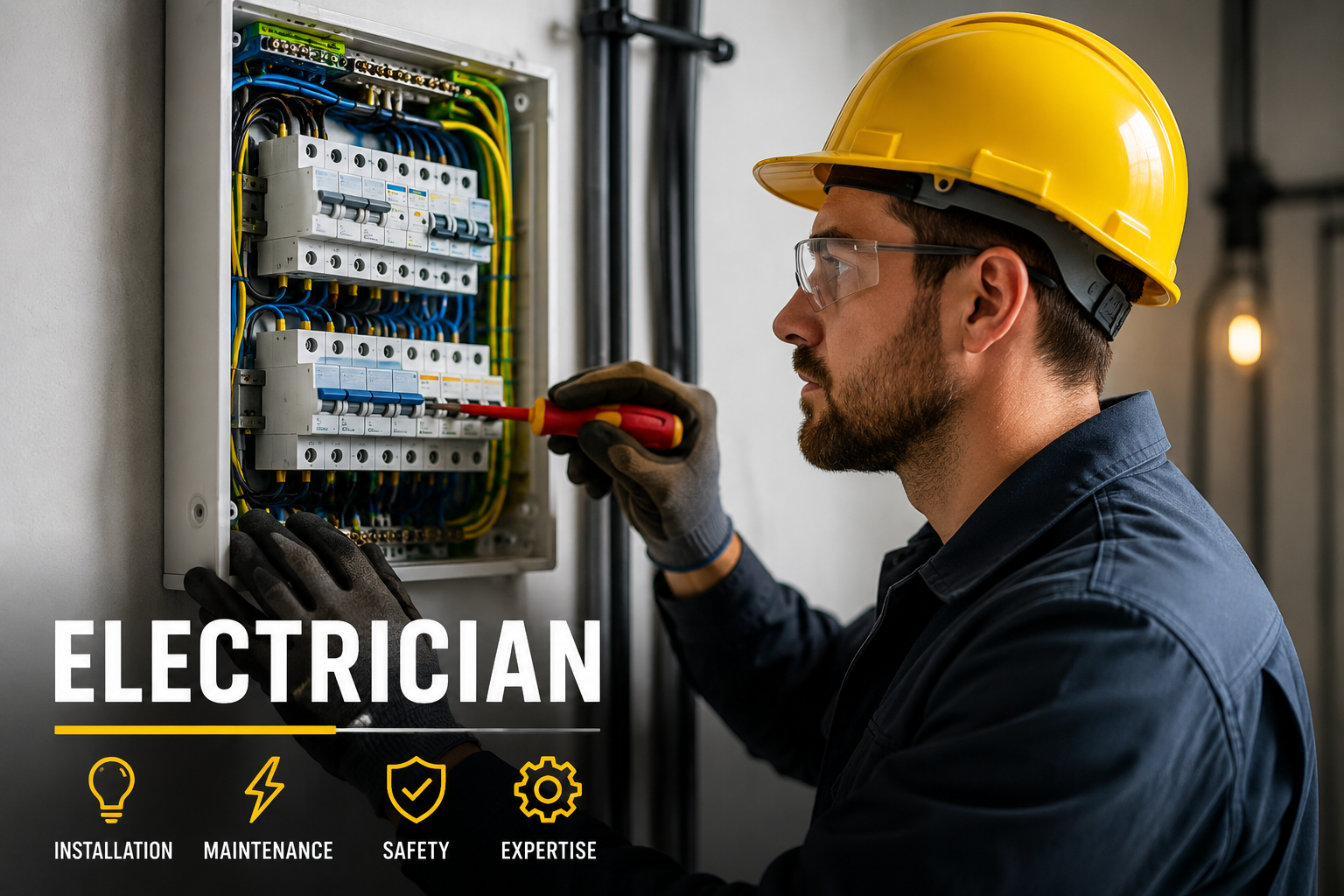
Have you ever found yourself staring at a flickering light, wondering whether it’s a simple fix or something more serious? Or perhaps you’ve been putting off that much-needed switchboard upgrade because the thought of finding a trustworthy electrician feels overwhelming? You’re certainly not alone in this.
Choosing the right electrician is one of those decisions that can make or break your home improvement experience. We’re talking about someone who’ll be working with your home’s electrical system—the very thing that powers your daily life. Get it wrong, and you could be facing anything from shoddy workmanship to genuine safety hazards. Get it right, and you’ll have peace of mind knowing the job’s been done properly.
In this guide, we’ll walk you through five essential tips to help you find a reliable electrician in Australia. You’ll learn what qualifications to look for, why insurance matters, how to spot genuine reviews, the art of comparing quotes, and the telltale signs of a true professional. By the end, you’ll have everything you need to make an informed choice and avoid those dreaded “cowboy” tradespeople.
Why Choosing the Right Electrician Matters
Electrical work isn’t something to take lightly. Faulty wiring causes hundreds of house fires across Australia each year, and poorly installed electrical systems can pose serious risks to your family’s safety. Beyond the safety concerns, there’s also the financial aspect—botched electrical work often means paying twice to get things fixed properly.
The risks of hiring an unqualified tradesperson extend beyond your wallet. Unlicensed electricians may not follow Australian Standards, leaving you with work that fails inspection or, worse, creates hidden dangers behind your walls. Plus, if something goes wrong, you might find yourself without any legal recourse or insurance coverage.
1. Check Qualifications and Licensing
What Qualifications Should an Electrician Have?
In Australia, becoming a licensed electrician requires completing a Certificate III in Electrotechnology Electrician, followed by supervised practical experience. This isn’t a quick process—it typically takes four years of apprenticeship before someone can work independently.
How Do I Know if an Electrician is Fully Licensed?
Every state and territory in Australia maintains a public register of licensed electrical workers. In New South Wales, you can check through Service NSW, while Victorians can verify licences through Energy Safe Victoria. Queensland uses the Electrical Safety Office database. A legitimate electrician will happily provide their licence number for you to verify.
Understanding state and territory licensing requirements is crucial because they do vary. Some states require additional certifications for specific types of work, like solar installations or air conditioning. Always confirm the electrician holds the appropriate licence for your particular job.
The importance of electrical contractor licences goes beyond individual competence. If you’re hiring a business rather than a sole trader, ensure they hold a valid electrical contractor licence. This confirms they’re authorised to carry out electrical contracting work and have the necessary business insurance.
2. Verify Insurance and Warranties
Why Does My Electrician Need Insurance?
Here’s the thing—even the most skilled tradesperson can have an accident. Without proper insurance, you could be liable for injuries that occur on your property. What’s more, damage to your home during electrical work might come straight out of your pocket if the electrician isn’t adequately covered.
What Type of Insurance Should an Electrician Have?
Asking about workmanship guarantees is just as important as checking insurance. A confident electrician will stand behind their work with a written guarantee. This typically covers defects in workmanship for a specified period—usually between one and five years.
How warranties protect your investment becomes clear when something goes wrong months after the job’s complete. With a solid warranty in place, you’re covered for repairs without additional cost. Always get warranty details in writing before work begins.
3. Read Reviews and Ask for References
Where to Find Genuine Electrician Reviews
Online reviews can be incredibly helpful, but you need to know where to look. Google Business profiles, ProductReview.com.au, and industry-specific platforms like Hipages offer customer feedback. Local community Facebook groups are another goldmine—people love sharing their experiences, both good and bad.
What Should I Ask Previous Customers?
Don’t be shy about requesting references. When you contact them, ask specific questions: Was the work completed on time? Did the final cost match the quote? Were they respectful of your property? Would they hire this electrician again?
Red flags to watch out for in reviews include patterns of complaints about the same issues—late arrivals, unexpected charges, or incomplete work. A single negative review among dozens of positive ones isn’t necessarily concerning, but repeated themes definitely are.
So, how do you find a reputable electrician in your area? Start by asking friends, family, and neighbours for recommendations. Word of mouth remains one of the most reliable ways to find quality tradespeople. Local hardware stores and real estate agents often have trusted contacts too.
4. Get Multiple Quotes and Compare
Why You Should Never Accept the First Quote
Getting at least three quotes gives you a clear picture of the market rate for your job. It also helps identify outliers—both suspiciously cheap quotes and potentially inflated ones. This comparison process often reveals which electricians have genuinely assessed your needs versus those offering generic estimates.
What should be included in an electrical quote? A thorough quote breaks down labour costs, materials, and any additional charges like call-out fees. It should clearly describe the scope of work, estimated completion time, and payment terms. Vague quotes are a warning sign.
Understanding hourly rates versus fixed-price jobs helps you budget effectively. Hourly rates suit smaller, unpredictable jobs, while fixed prices work better for larger, well-defined projects. Ask which pricing structure applies and why.
Is the cheapest electrician always the best choice? Absolutely not. Rock-bottom prices often indicate corners being cut—whether that’s using inferior materials, rushing the job, or lacking proper insurance. Quality electrical work is an investment in your home’s safety.
5. Assess Communication and Professionalism
What Questions Should I Ask an Electrician Before Hiring?
Before committing, ask about their experience with your specific type of job, their availability, and how they handle unexpected issues. Enquire about their cleanup process and whether they’ll obtain necessary permits. A professional will answer confidently and thoroughly.
Signs of a professional and reliable tradesperson include punctuality, clear communication, a clean and organised work vehicle, and a willingness to explain technical matters in plain language. They’ll also provide a written quote without being prompted.
How to Spot Cowboy Electricians
Cowboy electricians often pressure you to decide quickly, request large cash deposits, or lack proper identification and documentation. They might suggest skipping permits to “save money” or be unable to provide a physical business address. Trust your instincts—if something feels off, it probably is.
The importance of written agreements cannot be overstated. A proper contract protects both parties by clearly outlining expectations, costs, timelines, and warranty terms. Never proceed with significant electrical work based on a verbal agreement alone.
What to Do if Something Goes Wrong
Your Rights as a Consumer
Australian Consumer Law protects you when services aren’t delivered with acceptable care and skill. If electrical work is substandard, you’re entitled to a remedy—whether that’s repair, replacement, or refund.
How to Lodge a Complaint Against an Electrician
Start by raising concerns directly with the electrician in writing. If that doesn’t resolve matters, contact your state’s electrical safety regulator or fair trading body. Keep all documentation, photos, and correspondence as evidence.
Your Checklist for Hiring a Trusted Local Electrician
Finding a reliable electrician doesn’t have to be stressful when you follow these five tips. Check qualifications and licensing through official databases, verify insurance coverage and warranty terms, research reviews and ask for references, compare multiple detailed quotes, and assess communication throughout the process.
Remember, the cheapest option rarely delivers the best value. Investing time upfront to find a qualified, insured, and professional electrician saves you money, stress, and potential safety hazards down the track.
So next time those lights start flickering, you’ll know exactly how to find someone trustworthy to sort it out. Take your time, do your homework, and don’t be afraid to ask questions. Your home—and your peace of mind—deserve nothing less than a true professional.