

Gas lines are often out of sight and, as a result, out of mind. Yet they play a critical role in keeping your home running smoothly—powering appliances, heating systems, and even cooking equipment. When something goes wrong, the consequences can be serious, making regular maintenance and early detection essential.
Homeowners overlook the importance of professional gas line services until a noticeable issue arises. However, recognising early warning signs and acting promptly can help prevent costly repairs, safety risks, and unexpected disruptions. Understanding what to look for is the first step towards protecting both your home and your family.
Why Gas Line Maintenance Matters
Gas lines are designed to be durable, but like any system in your home, they are subject to wear and tear over time. Changes in temperature, ground movement, corrosion, and ageing materials can all impact their performance.
Routine inspections and maintenance help ensure that your gas system operates safely and efficiently. A small issue, such as a minor leak or loose connection, can escalate quickly if ignored. Regular attention not only reduces risks but also extends the lifespan of your gas infrastructure.
Common Warning Signs of Gas Line Problems
Gas line issues often begin subtly before becoming more serious. Being aware of these signs can make a significant difference.
Unusual Smells
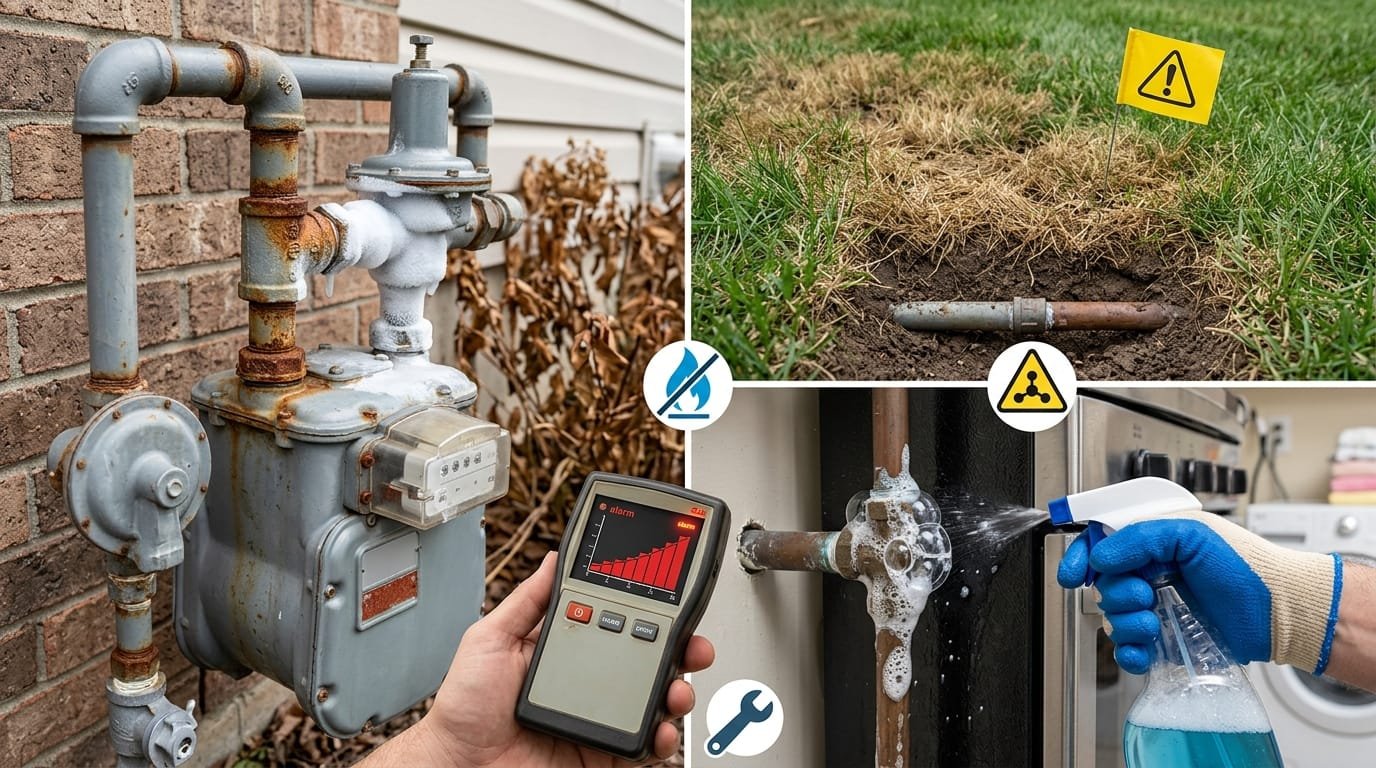
One of the most recognisable indicators of a gas leak is a strong, sulphur-like odour, often compared to rotten eggs. Natural gas is odourless, but suppliers add this scent for safety reasons. If you notice this smell indoors or outdoors, it should never be ignored.
Hissing or Whistling Sounds
A damaged or leaking gas line may produce a faint hissing or whistling sound. This typically occurs when gas escapes through a small crack or loose fitting. While it may seem minor, it requires immediate attention.
Dead or Dying Vegetation
If plants or grass near your gas line suddenly begin to die without an obvious cause, it could be a sign of a leak. Escaping gas can disrupt the soil’s oxygen balance, affecting plant health.
Higher Than Usual Gas Bills
An unexplained increase in your gas bill may indicate a hidden leak. If your usage habits have not changed, but your costs have risen, it is worth investigating further.
Appliance Performance Issues
Gas-powered appliances rely on a steady supply. If you notice inconsistent flames, difficulty starting appliances, or reduced efficiency, it may point to a problem within the gas line system.
Risks of Ignoring Gas Line Issues
Delaying repairs or maintenance can lead to more than inconvenience. Gas line problems carry serious safety implications.
Leaks can increase the risk of fire or explosion, especially in enclosed spaces. Even small leaks can pose health risks due to prolonged exposure. Additionally, neglected systems often result in higher repair costs over time, as minor faults develop into major failures.
Taking a proactive approach with reliable gas line services ensures that potential hazards are addressed before they escalate.
When to Call a Professional
While some home maintenance tasks can be handled independently, gas lines are not one of them. Any suspicion of a problem should be treated seriously and addressed by a qualified professional.
Experts have the tools and knowledge to safely inspect, diagnose, and repair gas line systems. They can also identify underlying issues that may not be visible to the untrained eye. Attempting to fix gas lines without proper training can increase risks rather than resolve them.
Practical Steps to Maintain Your Gas Lines
Preventative care is one of the most effective ways to avoid unexpected issues. While professional inspections are essential, there are simple steps homeowners can take to support system health.
- Keep the area around gas lines clear of debris and heavy objects
- Avoid planting large trees or shrubs directly above underground lines
- Regularly check appliances for signs of wear or irregular operation
- Schedule periodic inspections with a qualified technician
- Be aware of any unusual smells, sounds, or changes in performance
These small habits can help detect problems early and maintain safe operation throughout the year.
Seasonal Considerations for Gas Line Care
Different seasons can affect gas line performance in various ways. During colder months, increased usage places additional strain on the system. Pipes may contract in low temperatures, potentially revealing weaknesses.
In warmer seasons, ground movement and soil changes can impact underground lines. It is wise to carry out inspections before peak usage periods to ensure everything is functioning correctly.
Planning maintenance ahead of time can prevent inconvenient breakdowns during periods when you rely on your gas system the most.
The Importance of Regular Inspections
Routine inspections are not just about fixing problems—they are about preventing them. A professional assessment can identify early signs of corrosion, pressure issues, or structural weaknesses.
By investing in periodic checks, homeowners can maintain peace of mind knowing their system is operating safely. It also ensures compliance with safety standards and helps avoid unexpected emergencies.
Reliable gas line services provide thorough evaluations, ensuring every component of your system is in optimal condition.
Conclusion
Gas lines are a vital yet often overlooked part of your home. While they are built to last, they are not immune to damage or deterioration. Recognising early warning signs—such as unusual smells, sounds, or rising bills—can make all the difference.
Regular maintenance, combined with professional inspections, helps keep your home safe and your system efficient. By taking a proactive approach, you reduce risks, avoid costly repairs, and ensure long-term reliability.
Pay attention to the signs, act promptly, and prioritise safety. It is always better to address a small concern early than to deal with a major issue later.