

Have you ever noticed water pooling around your feet during a shower? Or perhaps you’ve caught a whiff of something truly unpleasant wafting up from your drains? Maybe you’ve watched in frustration as your sink takes forever to empty, leaving behind a murky residue that makes you cringe?
You’re definitely not alone. Blocked sewage drain is one of the most common household headaches Australian homeowners face. Whether you’re dealing with a sluggish kitchen sink or a completely backed-up toilet, these issues can quickly turn from minor annoyances into full-blown emergencies. The good news? Many blockages don’t require an expensive call-out fee, and you can tackle them yourself with the right know-how and a bit of elbow grease.
In this guide, we’ll walk you through everything you need to know about unblocking sewage drains yourself. You’ll discover what causes these pesky blockages in the first place, learn to spot the warning signs early, and get stuck into practical step-by-step methods for clearing them. We’ll also cover when it’s time to admit defeat and call in the professionals. By the end, you’ll feel confident handling most drainage issues that come your way—saving yourself time, money, and a whole lot of stress.
What Causes A Blocked Sewage Drain?
Understanding what’s causing your blockage is half the battle. The most common culprits are things we flush or wash down our drains daily without a second thought. Grease and cooking oils are major offenders—they might go down as liquids, but they solidify in your pipes like a waxy plug. Hair combines with soap to form stubborn clogs, while foreign objects like wet wipes (yes, even the “flushable” ones) create serious obstructions.
If you’ve got established trees on your Australian property, tree root intrusion could be your problem. Roots are naturally drawn to the moisture in your pipes, and they’ll exploit even the tiniest crack to get inside. Once they’re in, they grow rapidly and catch everything that flows past, creating massive blockages that are tricky to shift.
Don’t overlook the gradual build-up of soap scum and mineral deposits either. Hard water areas are particularly prone to this issue. Over time, these deposits narrow your pipes, reducing water flow until eventually, nothing gets through. Older properties might also face structural issues—cracked, collapsed, or misaligned pipes that trap waste and cause recurring problems.
Signs You Have A Blocked Sewage Drain
Catching a blockage early can save you from a much bigger mess down the track. One telltale sign is slow-draining water in multiple fixtures. If your shower, sink, and bath are all taking ages to empty, the problem is likely in your main drain rather than individual pipes.
Keep your ears open for gurgling sounds coming from your drains. This noise happens when air gets trapped by the blockage and bubbles up through the water. It’s your plumbing’s way of telling you something’s not right. Similarly, foul smells around your property—particularly near drains or in your bathroom—indicate waste isn’t flowing away as it should.
The most obvious sign? Water backing up in toilets or showers. If flushing your toilet causes water to rise in your shower, or if waste water appears where it shouldn’t, you’ve got a serious blockage that needs immediate attention. Don’t ignore these warning signs, as they’ll only get worse.
How Do You Unblock a Badly Blocked Drain?
Before diving in, you’ll want to assess the severity of the blockage. Is it affecting just one fixture or multiple? Can you see the blockage, or is it deeper in the system? A single slow drain might just need a quick plunge, while multiple affected fixtures suggest a main line issue requiring more effort.
Here’s a step-by-step approach to clearing the blockage yourself. First, try the simplest method—pour boiling water down the drain to dissolve any grease or soap build-up. If that doesn’t work, grab your plunger and create a tight seal over the drain opening. Pump vigorously for about thirty seconds, then check if water flows freely.
For stubborn blockages, you might need a drain snake or auger. Feed it into the drain, rotating as you go, until you feel resistance. That’s your blockage. Keep rotating to break it up or hook it, then slowly withdraw the snake. Finish by flushing with hot water to clear any remaining debris.
Tools And Equipment You’ll Need
For minor blockages, you probably already have what you need in your cupboards. A kettle of boiling water, some baking soda, and white vinegar can work wonders on light blockages. A standard cup plunger handles most sink and shower clogs effectively.
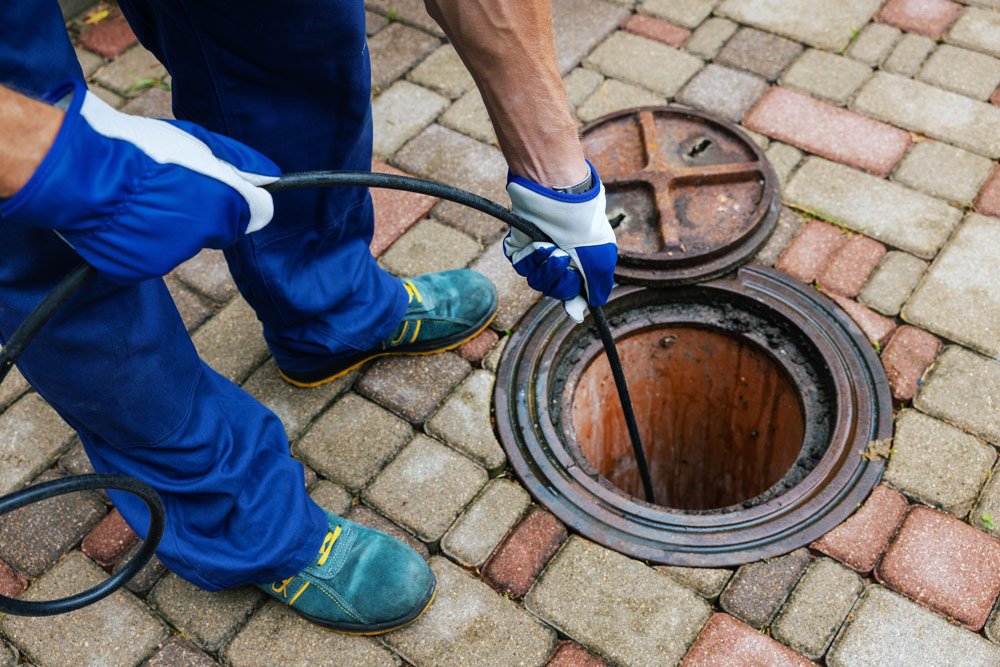
Drain rods are essential for outdoor and main drain blockages. These long, flexible rods connect together to reach deep into your pipes. Pair them with different attachments—plungers, scrapers, and corkscrews—for various types of blockages. A drain snake or auger handles indoor pipes brilliantly, coiling through bends to reach blockages you can’t see.
Don’t forget protective gear. Sewage contains harmful bacteria, so rubber gloves are non-negotiable. Safety goggles protect against splashes, and old clothes you don’t mind ruining are a smart choice. If you’re working with chemical cleaners, make sure you’ve got adequate ventilation too.
How To Unblock A Drain Outside Your House
Start by locating your outdoor drain access points. In most Australian homes, you’ll find inspection covers along your property’s drainage route—often near the house, at property boundaries, or where pipes change direction. These round or square covers lift off to reveal the drain below.
Removing the cover might require a screwdriver or crowbar if it’s stuck. Once open, inspect what you can see. Sometimes blockages are visible right at the access point. If not, you’ll need to use drain rods to reach further into the system.
Using drain rods effectively takes patience. Connect two or three rods together and feed them into the pipe in the direction of the blockage. Always rotate clockwise—anticlockwise rotation can unscrew the rod connections, leaving you with rods stuck in your drain. Push and rotate until you break through the blockage. Afterwards, flush the system thoroughly with a garden hose to clear all debris and confirm the water flows freely.
What Is the Best Thing to Unblock a Drain?
Natural solutions work brilliantly for minor blockages and regular maintenance. Pour half a cup of baking soda down the drain, followed by half a cup of white vinegar. The fizzing reaction helps break down organic matter. Leave it for thirty minutes, then flush with boiling water.
Hot water flushing techniques shouldn’t be underestimated. Boiling water alone can dissolve grease blockages effectively. Pour it slowly to give it time to work through the obstruction. For persistent grease problems, add a squirt of dish soap before the boiling water—it helps break down fats.
Enzyme-based drain cleaners offer an eco-friendly option for ongoing maintenance. These products contain bacteria that literally eat organic waste, keeping your pipes clear without harsh chemicals. They’re particularly useful for households with septic systems.
Chemical drain cleaners are powerful but come with drawbacks. They can damage older pipes, harm the environment, and pose safety risks. If you do use them, follow instructions carefully and never mix different products—the chemical reactions can be dangerous.
Can You Unblock A Drain Yourself Without Calling A Plumber?
Absolutely—many blockages respond well to DIY methods. The techniques we’ve covered work for most household clogs. The key is starting with the gentlest approach and working up to more aggressive methods only if needed.
Common mistakes to avoid include using too much force with drain rods (you can damage pipes), pouring chemicals down repeatedly without success (you’re just adding to the problem), and ignoring safety precautions. Another mistake? Assuming all blockages are the same. A hair clog needs different treatment than a grease blockage.
Understanding your limits is crucial. If you’ve tried multiple methods without success, if the blockage keeps returning, or if you suspect structural damage, it’s time to step back. DIY has its place, but some problems genuinely need professional equipment and expertise.
How To Prevent Blocked Drains In The Future
Regular maintenance keeps most blockages at bay. Monthly hot water flushes and quarterly enzyme treatments maintain clear pipes. Periodically remove and clean drain covers and pop-up stoppers where hair and soap accumulate.
Be mindful about what goes down your drains. Never pour cooking oil or grease down the sink—collect it in a container and bin it instead. Avoid flushing anything except toilet paper and human waste. Even products labelled “flushable” often aren’t truly pipe-friendly.
Installing drain guards and filters catches hair and debris before they enter your pipes. These inexpensive mesh screens fit over plug holes and make a genuine difference. For extra peace of mind, consider scheduling professional inspections every few years, especially for older properties where hidden problems might be developing.
When Should You Call A Licensed Plumber?
Warning signs that indicate a serious blockage include recurring problems despite clearing, multiple fixtures affected simultaneously, sewage smells you can’t eliminate, and any signs of sewage surfacing in your yard. These suggest deeper issues that DIY methods simply can’t resolve.
In Australia, certain plumbing work must be performed by licensed professionals. Altering pipes, working on sewer connections, and anything involving the mains water supply falls into this category. Attempting regulated work yourself can result in fines and invalidate your home insurance.
Professional drain clearing services bring high-pressure water jetters, CCTV cameras for pipe inspection, and the expertise to diagnose underlying problems. Expect to pay anywhere from $150 to $500 depending on the severity and location of the blockage. It’s money well spent when DIY approaches have failed.
Taking Action Before Small Blockages Become Big Problems
Dealing with blocked sewage drain isn’t anyone’s idea of fun, but armed with the right knowledge, you can handle most situations yourself. We’ve covered the common causes—from grease and hair to tree roots and ageing pipes. You know the warning signs to watch for and the step-by-step methods for clearing blockages both indoors and out.
The most important takeaway? Don’t wait until you’ve got sewage backing up into your shower. Act on early warning signs, maintain your drains regularly, and be thoughtful about what goes down them. Prevention truly is better than cure when it comes to your plumbing.
So next time you notice that drain running a bit slowly, you’ll know exactly what to do. Grab your plunger, try some hot water and baking soda, and tackle the problem before it escalates. Your future self—and your wallet—will thank you. And if all else fails? There’s no shame in calling a professional. Some battles are best left to the experts.