


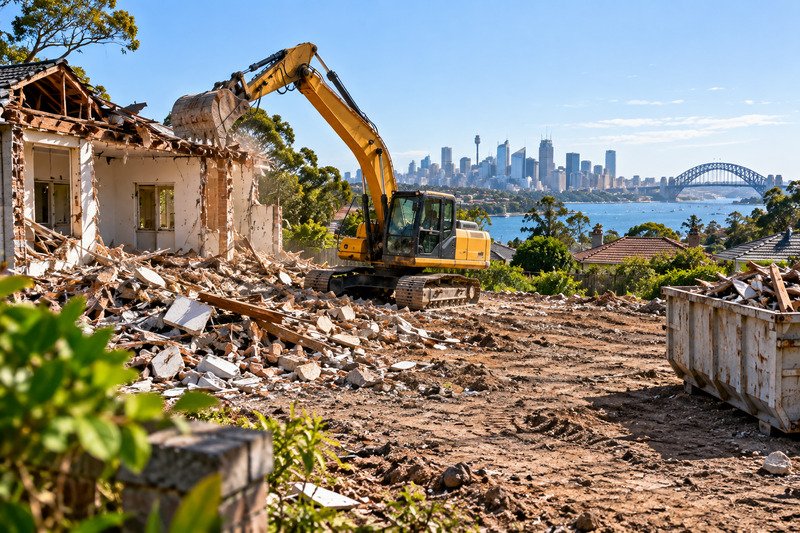
Planning a House Demolition Cheltenham? That takes real care. You’ve got to work around Victoria’s approval system, budget honestly & find a contractor who knows local ground conditions. From what I’ve seen, this guide walks you through the permit pathway via Kingston City Council, breaks down what shapes a quote, & covers the job start to finish. You’ll spot warning signs in bad quotes and learn what to ask before signing anything. Check the fine print! The following sections cover the essentials: Victoria’s building & planning permit rules, what drives costs, how to vet local demolition contractors, the typical timeline, & the specific site challenges Cheltenham homeowners face.
Understanding the Permits Needed for House Demolition
Before any machinery rolls in, confirm which approvals apply to your place. Understanding the demolitionition permit requirements Victoria enforces is essential. In Victoria, a building permit from a registered building surveyor is mandatory for a full house demolition, issued under the Building Act 2026. A planning permit from Kingston City Council may also be required depending on your property’s zone & overlays, so check this early & dodge the hassle. Miss it, & you’ll pay.
When a Planning Permit Is Required
Demolishing an old Cheltenham home? You’ll likely need council approval from Kingston City Council and maybe extra paperwork first. That’s the case inside a Heritage Overlay, or when local planning controls decide the teardown would change the area’s character. In my experience, pre‑1950s houses in Cheltenham often land in this group. And if you’re on a corner block, near a creek, or inside a designated neighbourhood character area, expect extra scrutiny from the council. Check your street’s zone first!
Building Permit Requirements and the Surveyor Role
Once your demolition permit lands, or when you don’t need one at all, grab a registered building surveyor to issue the permit. They check the plan against the National Construction Code, so they’ll confirm public safety measures are in place. I’d also have them verify the contractor’s licences, insurance & work method statements! Worth doing before anyone swings a hammer.
Breaking Down the Costs of a Full Demolition
When considering the house demolition cost Cheltenham homeowners deal with, costs vary widely based on property size, construction type, site access & the presence of asbestos. To understand how much to demolish a house Australia‑wide, note that a typical single‑storey brick veneer home in Cheltenham will cost less to demolish than a double‑storey solid brick structure, because the volume of debris & the machinery required differ significantly. You should probably expect a detailed quote to itemise each component rather than provide a single lump sum figure.
What Influences the Final Quote
The age of your home is one of the biggest cost drivers, as older houses are more likely to contain asbestos in walls, ceilings, roofs & even pipes, so any honest assessment of House Demolition needs to account for it. If your home was built before 2026, an asbestos survey must be conducted before any quote can be considered accurate. The cost of asbestos removal & disposal is typically passed separately or itemised clearly in the quote, & cutting this corner is simply not an option.
Key Points About What Influences the Final Quote
Site access often decides a demolition quote. Got a narrow driveway in Cheltenham? Limited rear access, or a slope out back? I’ve watched estimates jump once crews factor those in. The contractor may bring smaller gear & extra hands, which pushes the price up. Nearby trees, power lines, even fences, all affect the staging, sometimes forcing hand demolition in tight spots. A quote that skips this? Treat it with caution. It may not mirror the real cost, so be wary!
Finding and Hiring Reliable Demolition Contractors
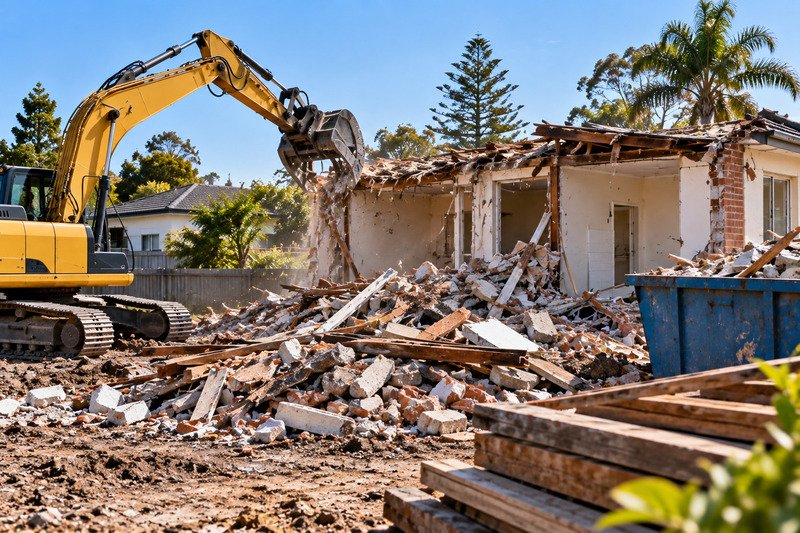
When searching for demolition contractors Cheltenham residents can rely on, I’d always hunt for a firm that offers full house demolition services, holds a current Victorian builder’s licence, & carries at least twenty million dollars in public liability cover. Ask for proof of both first. Non‑negotiable!
Questions to Ask a Potential Contractor
When you’re interviewing demolition contractors, I always ask flat out about their track record with house demolition & whether they’ll manage the building permit application for you. How will they shield the neighbours’ property? What about temporary fencing? And what happens if they hit a buried fuel tank or a slab of asbestos? Honestly, a good contractor will cover all that clearly, then hand you a written method statement. Check the fine print!
Red Flags to Watch For in Quotes
Spot a quote that sits way below the others? Look closer, because it often skips asbestos removal, council permits, or decent site cleanup. I’ve seen builders refuse to itemise costs or put inclusions in writing, & that always sets off alarms. A good contractor will happily break it down & explain exactly how the figure was worked out.
The Process and Timeline of a Demolition
A typical house demolition takes anywhere from one to three weeks, depending on the size of the home, the need for asbestos removal & the site conditions. The process begins with the disconnection of utilities, which you must arrange with your providers, including electricity, gas, water, sewer and NBN. This step can really take several days & should be started as soon as your permits are approved.
Site Preparation and Utility Disconnections
You’re responsible for arranging the disconnection of all services, & this should be confirmed in writing by each provider before the contractor arrives. Electricity & gas disconnections can often take up to a week to schedule, so it is wise to request them as soon as your permits are in hand. Water & sewer disconnections are typically coordinated with the local water authority, which is South East Water for the Cheltenham area, while NBN disconnection is arranged through your internet provider. The contractor will also arrange excavator hire suited to the site’s access constraints.
Local Site Conditions and Their Impact
Cheltenham’s proximity to Port Phillip Bay means the soils are often sandy & the groundwater table can be high, particularly after heavy rain. This affects the demolition process because it can easily make excavation more challenging & may sometimes require dewatering to keep the site dry. Contractors with local experience will usually know how to manage these conditions & will often include the necessary steps in their method statement.
Common Mistakes to Avoid in Your Project
Sequencing is a common pitfall, particularly when homeowners demolish their old home before the new build has received approval. If the new build’s planning permit isn’t secured, you could easily find yourself with an empty block and no legal right to rebuild, which leaves you in a difficult position. It’s wise to have the new build’s permits approved, or at least well advanced, before the demolition begins.
Overlooking Asbestos and Environmental Rules
Skipping the asbestos survey is perhaps the most costly mistake you can really make, as it can easily lead to dangerous exposure and significant fines under WorkSafe Victoria regulations. The survey must be conducted before any demolition work begins, and if asbestos is found, a licensed removalist must be engaged. The removal and disposal of asbestos is tightly regulated, and the waste must be taken to a licensed facility. Proper demolition waste disposal is a non‑negotiable part of any compliant job.
Preparing for the Rebuild and Site Handover
Once the demolition is complete and the site is cleared, the focus shifts to handing over a site that’s ready for construction. This involves ensuring the site is level, compacted and free of debris, and that any underground services have been properly terminated. Skip bin hire is typically coordinated throughout the job to keep debris manageable, and thorough building site cleanup is essential before the new build can commence. The building surveyor will often conduct a final inspection to confirm the site meets the requirements outlined in the building permit before the new build can easily commence.
The Role of a Knockdown Rebuild Approach
For many Cheltenham homeowners, a knock down rebuild Cheltenham project is the preferred option, especially when the existing home is outdated, but the land value is high. This approach allows you to design a new home that suits your family’s needs while using the existing block of land. It often makes more sense than renovating, particularly when the original structure requires extensive repairs or doesn’t meet modern building standards.
Conclusion
Planning a House Demolition? Serious work! You need the right building & planning permits, a read on the local ground, and a contractor you can trust. I usually start with the council office, because soil conditions shift across Cheltenham & that changes the price fast, so it’s worth digging into the details yourself. Interview three crews at minimum. Ask about timelines, insurance & hidden fees, and get every promise in writing before anyone swings a hammer.