

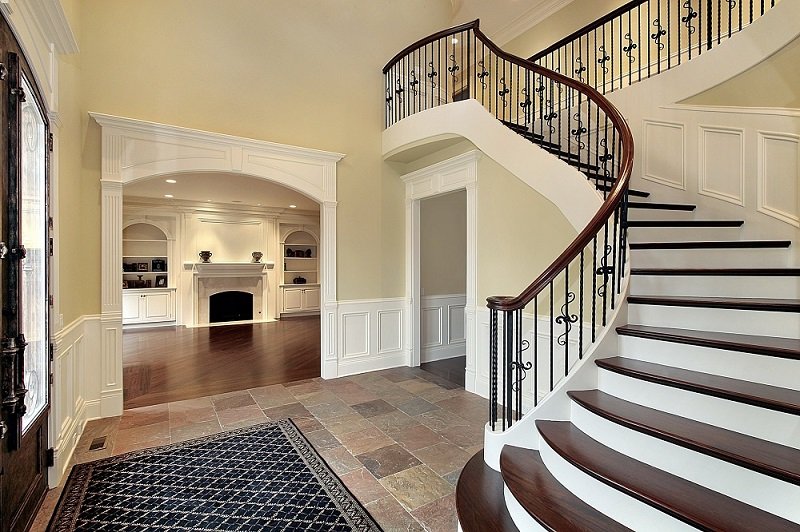
Balustrading is one of the most visible safety features in a home, and it also adds style, value, and a sense of completion to any stair, balcony, or deck. In Australia, homeowners are increasingly looking for balustrading solutions that meet strict building standards while reflecting local design trends. This guide walks you through the main types of balustrading, the factors you should weigh before buying, and practical tips that keep your project on track from design to installation.
Understanding the Main Types of Balustrading
1. Glass Balustrading
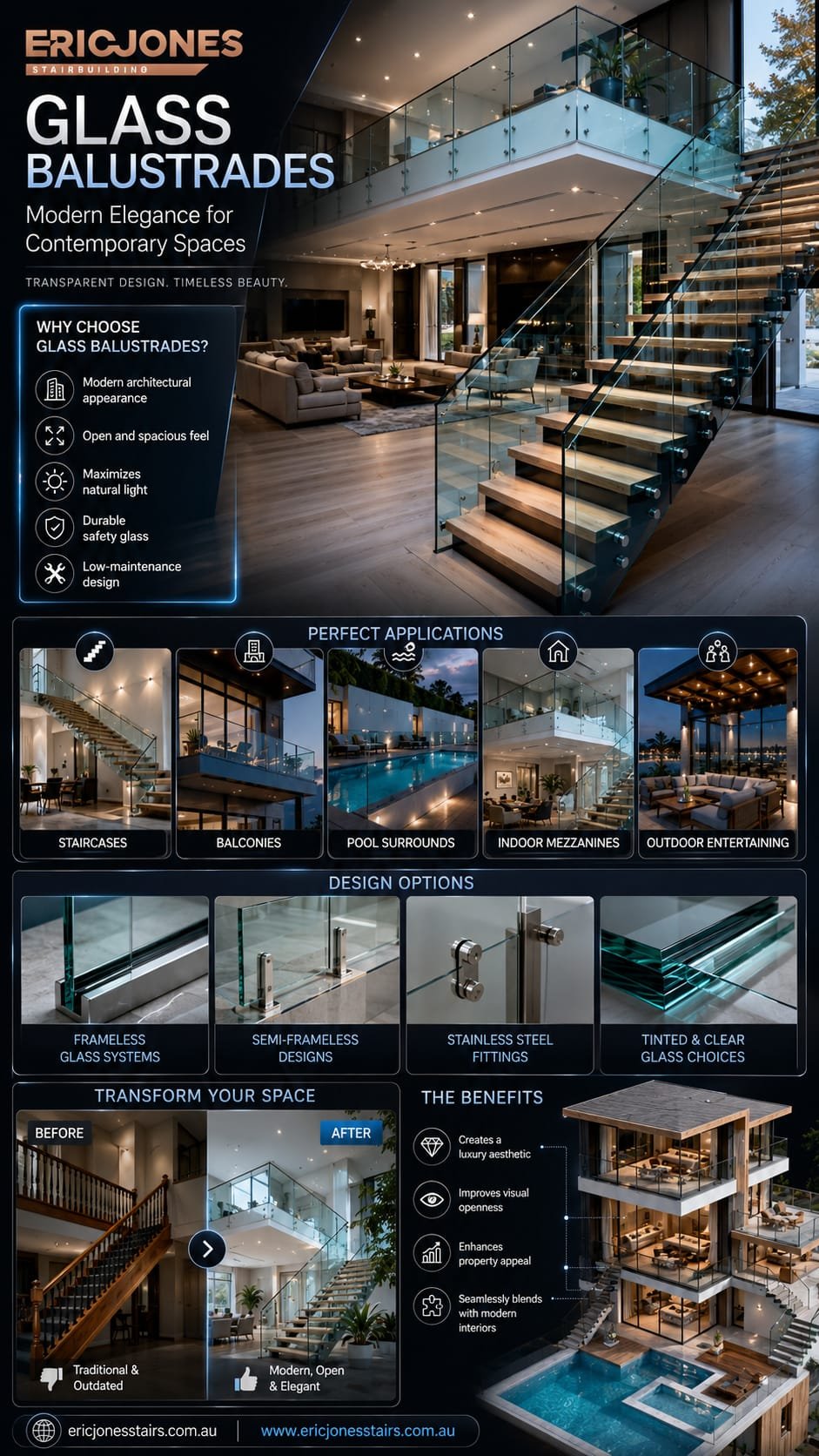
Glass balustrading is popular in modern Australian homes because it offers an unobstructed view of the surrounding landscape, whether that’s a coastal outlook or a garden. Tempered or laminated safety glass is required by the Building Code of Australia (BCA) and the Australian Standard AS/NZS 1576.1 for stairways. The typical thickness ranges from 10 mm to 12 mm, and the glass can be clear, frosted, or tinted to suit privacy needs.
2. Timber Balustrading
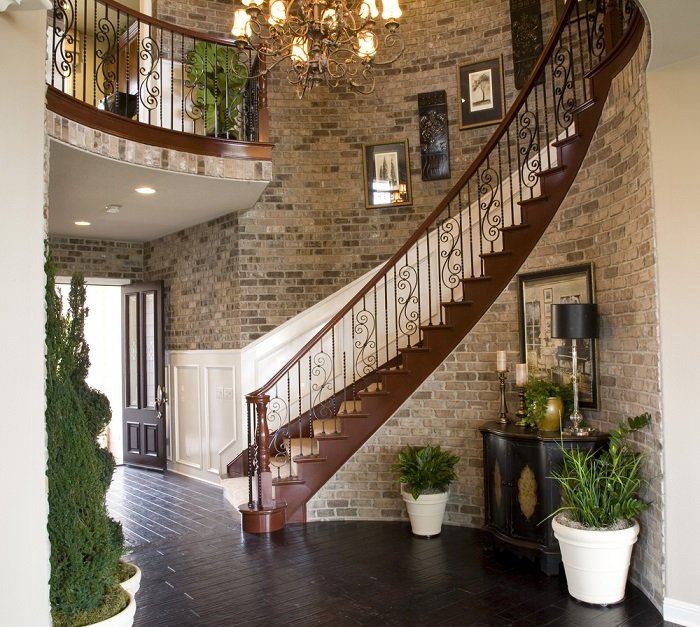
Timber brings a warm, natural feel to verandas and indoor staircases. In Australia, hardwoods such as spotted gum, blackbutt, and jarrah are favored for their durability and resistance to termites. Timber balustrading can be crafted as a simple handrail with balusters, or as a full panel system with laminated boards. Proper sealing and regular maintenance are essential to protect the wood from the harsh sun and occasional rain.
3. Metal (Steel or Aluminium) Balustrading
Metal balustrading offers a sleek, industrial look that works well in contemporary homes and commercial spaces. Powder‑coated aluminium is lightweight, rust‑proof, and low‑maintenance, while stainless steel provides a premium finish and high strength. Metal systems are often modular, allowing easy installation on decks, balconies, and staircases.
4. Cable Balustrading
Cable balustrading uses stainless‑steel cables tensioned between posts to create a minimalist, airy appearance. It’s a favorite for waterfront properties and modern homes that want to maximise sightlines. The cables must be tensioned to meet the 1 kN load requirement set out in AS/NZS 1576.1.
5. Composite and PVC Balustrading
Composite materials combine recycled wood fibres with polymer resins, offering the look of timber without the maintenance. PVC balustrading is lightweight, affordable, and resistant to moisture, making it suitable for coastal regions where salt air can corrode metal.
Key Factors to Consider When Choosing Balustrading
- Safety compliance: All balustrading in Australia must meet the minimum load, height, and spacing requirements of the BCA and AS/NZS 1576.1.
- Location and exposure: Coastal homes need corrosion‑resistant materials; sun‑exposed areas benefit from UV‑stable finishes.
- Design harmony: Choose a style that complements your home’s architecture, whether it’s a classic timber handrail or a sleek glass panel.
- Maintenance level: Glass and metal require periodic cleaning, timber needs sealing, and composites demand less frequent upkeep.
- Budget: Glass and stainless steel are typically higher‑end, while timber, PVC, and basic aluminium options are more budget‑friendly.
Australian Regulations and Standards You Must Know
Balustrading is regulated at both the national and state level. The Building Code of Australia (BCA) sets the baseline, and each state may have additional requirements. Below is a quick reference for the most common standards:
- Height: Minimum 1 metre for residential stairs and 900 mm for balconies (some states require 1 metre for both).
- Load capacity: Must withstand a horizontal load of 0.36 kN and a vertical load of 1 kN.
- Spacing of balusters: No opening larger than 100 mm to prevent a child’s head from passing through.
- Glass safety: Must be tempered or laminated, with a minimum thickness of 10 mm for panels over 1 metre high.
- Fire rating: In multi‑unit dwellings, certain balustrading materials need a fire‑resistance rating of 30 minutes or more.
Local councils often require a development application (DA) or a building permit before installing new balustrading. It’s wise to consult a licensed builder or a certified balustrading installer who can submit the necessary documentation to the council in Sydney, Melbourne, Brisbane, Perth, or Adelaide.
Practical Installation Tips for Australian Homeowners
Preparation and Planning
Start by measuring the exact length of the stair, balcony, or deck where the balustrading will sit. Sketch a simple layout that includes post positions, handrail height, and any required gaps for drainage. If you’re using glass, plan for a waterproof sealant that can handle the occasional heavy rain in Queensland or the occasional freeze in Tasmania.
Choosing the Right Fixings
For timber and metal posts, stainless‑steel or galvanized fixings are essential in coastal areas to avoid rust. Glass panels need specialised clamps that are rated for the load and are compatible with the chosen glass thickness. Always follow the manufacturer’s installation guide and verify that the fixings meet the AS/NZS 4671 standard for structural steel.
Working with Professionals
While DIY installation is possible for simple aluminium or PVC systems, complex glass or cable balustrading usually requires a licensed installer. In Australia, a “Qualified Builder” or “Licensed Contractor” can ensure the work complies with the BCA and local council regulations. Many installers also offer a warranty that covers both material defects and installation errors.
Maintenance and Longevity
Proper upkeep extends the life of your balustrading and keeps it looking fresh. Below are maintenance routines for each major material:
- Glass: Clean with a non‑abrasive glass cleaner and a soft cloth. Inspect clamps and seals annually for signs of wear.
- Timber: Re‑apply a UV‑blocking sealant or oil every 12‑18 months, especially in sunny climates like Perth.
- Aluminium: Rinse with a hose to remove salt spray and dust; check for loose screws after storms.
- Stainless steel: Use a stainless‑steel cleaner to prevent water‑spotting; tighten any loose bolts.
- Composite/PVC: Wash with mild soap and water; avoid harsh chemicals that can degrade the surface.
Cost Considerations Across Australia
Balustrading costs vary widely based on material, finish, and labour. Below is a rough price guide (excluding GST) for a standard 3‑metre stretch of balustrading in major Australian cities:
- Glass (tempered, 10 mm) – $350‑$500 per metre.
- Timber (hardwood, sealed) – $250‑$350 per metre.
- Aluminium (powder‑coated) – $200‑$300 per metre.
- Stainless steel – $400‑$600 per metre.
- Composite – $220‑$320 per metre.
Labour rates also differ: Sydney and Melbourne typically charge $80‑$120 per hour, while regional areas may be $60‑$90 per hour. Always request a detailed quote that separates material, fixings, and labour, and ask whether the installer includes a compliance certificate.
Finding Reliable Local Suppliers and Installers
Australia has a strong network of balustrading specialists. Here are a few ways to locate reputable providers:
- Search the Australian Building and Construction Commission (ABCC) register for licensed contractors.
- Check state‑specific trade directories such as the New South Wales Fair Trading “Find a Builder” list.
- Read recent customer reviews on Google, ProductReview.com.au, or local Facebook community groups.
- Ask for a portfolio of recent projects; many installers showcase before‑and‑after photos on their websites.
- Visit local home improvement expos in cities like Brisbane’s “Home Show” or Melbourne’s “Renovation & Build Expo” to meet suppliers face‑to‑face.
Common Mistakes to Avoid
Even seasoned homeowners can slip up when planning balustrading. Keep these pitfalls in mind:
- Ignoring council permits: Skipping the permit process can lead to costly re‑work or fines.
- Choosing the wrong glass thickness: Thin glass may pass inspection but can crack under impact.
- Under‑estimating maintenance: Forgetting to reseal timber can cause rot, especially in humid Queensland.
- Improper spacing: Gaps wider than 100 mm can be a safety hazard for children.
- Not budgeting for fixings: High‑quality stainless‑steel clamps can add $15‑$30 per metre but are essential for durability.
Questions and Answers: Common Questions About Balustrading in Australia
Below are the most frequently asked questions by Australian homeowners when they consider a new balustrading project.
1. Do I need a building permit for balustrading on my balcony?
In most Australian states, a building permit is required if the balustrading height exceeds 900 mm or if you are altering an existing structure. Contact your local council to confirm the exact requirements for your area.
2. What is the minimum glass thickness allowed for a stair balustrade?
The BCA and AS/NZS 1576.1 mandate a minimum of 10 mm tempered or laminated glass for stair balustrades that are 1 metre or higher. In some states, 12 mm is recommended for added safety.
3. How often should I seal timber balustrading in a hot climate like Perth?
For timber exposed to strong sun and occasional rain, re‑seal or oil the balustrading every 12‑18 months. Use a UV‑blocking product to prevent fading and cracking.
4. Can I install glass balustrading myself, or do I need a licensed installer?
While DIY kits exist for small aluminium frames, glass balustrading typically requires a licensed installer. The installer must certify that the glass meets safety standards and that the fixings are correctly rated.
5. What are the main differences between aluminium and stainless‑steel balustrading?
Aluminium is lighter, cheaper, and naturally resistant to rust, making it popular for residential decks. Stainless steel offers a higher strength and a premium finish but is heavier and more expensive. Both materials must be powder‑coated or passivated to meet Australian corrosion standards.
Conclusion: Your Path to a Successful Balustrading in Australia
Balustrading is more than a safety requirement; it’s an opportunity to enhance the look and value of your home while complying with Australian building standards. By understanding the different material options, checking local regulations, budgeting realistically, and working with licensed professionals, you can choose a balustrading system that fits your style, climate, and maintenance preferences. Start by measuring your space, researching local suppliers, and securing any necessary permits. With careful planning and regular upkeep, your new balustrading will remain a sturdy, attractive feature for years to come.