


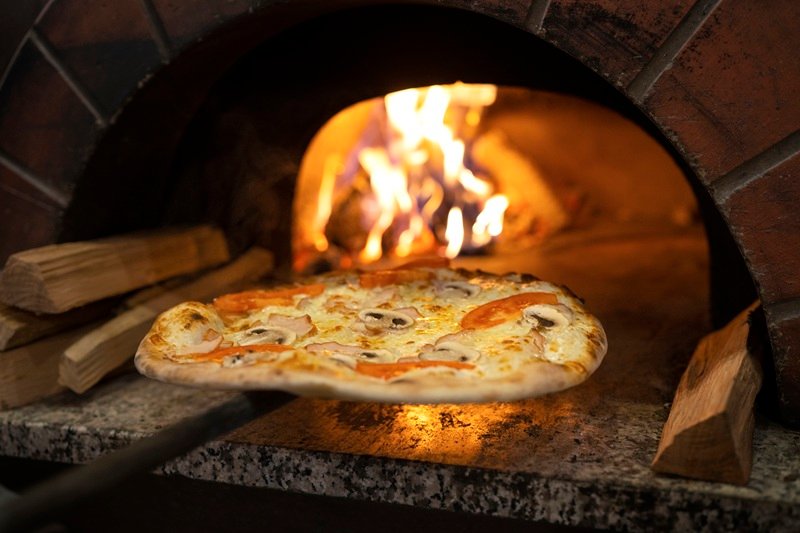
Spotting a wood fired pizza oven for sale? Great start! You’re picturing weekend pizzas & cracking outdoor entertaining, but the heavy lifting happens before the first fire. So don’t fall for a pretty dome, because Australian pros measure ovens by far more than looks. I’ve watched enough backyard builds fail to trust my own two eyes, & they always run seven checks before parting with cash. Firebox depth, flue height, the lot. Our climate shifts the numbers too, so what suits a home cook in Perth can easily disappoint a restaurateur in Sydney. Inspect the build closely & you’ll tell a keeper from a dud in minutes. Ready?
What the Pros Look for in a Wood Fired Pizza Oven
Before we dive into the seven checks, it’s worth understanding how a seasoned operator approaches the buying process. They’re not swayed by shiny stainless steel or a flashy brand name, because they know the real test happens over years of hot fires, cold winters & constant use. Instead, they focus on the components that determine whether an oven will quickly perform, last & stay safe, & those are the exact things we’re about to break down. Let’s get into it!
1. Firebox Depth and Dome Height
Ever wonder why some ovens burn through wood like crazy? I always check the cooking floor depth first, because a shallow firebox means you’ll be fighting to keep flames alive while your pies sit half‑cooked on the stone, which is also why the right choice in wood fired pizza oven for sale rarely looks identical from one household or business to the next. Pros measure the cooking floor front to back, & they look for around six hundred millimetres. So the fire sits at the rear while the front stays clear for your pizzas. Check that depth first!
The dome height matters just as much, because it dictates how heat circulates. A lower dome, around 350 to 400 millimetres, reflects heat down onto the base quickly, which is perfect for Neapolitan‑style pizzas that need 90 seconds at high temperature. But if the dome sits too low, you’ll struggle with larger dishes or roasts, so think about what you’ll actually cook most often. Most Australian pros would tell you to measure the internal dimensions yourself rather than trusting the brochure & bring a tape measure to any demo.
2. The Thickness and Quality of Refractory Materials
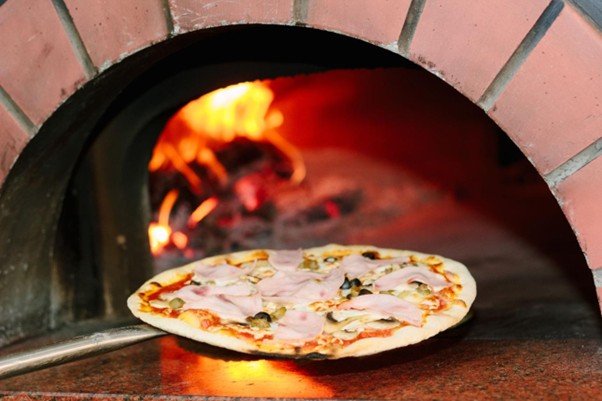
Refractory materials are what separate a real pizza oven from a glorified barbecue, & they’re the single most important thing to check. You want a dense, high‑alumina firebrick or a cast refractory dome that can really handle repeated thermal shock without cracking, & you can usually tell quality by knocking on the surface, and it gives you a practical yardstick for comparing the options available in wood fired pizza oven for sale. A solid, dense thud means good density, while a hollow ring suggests a cheaper, lighter mix that won’t hold heat as well.
Thickness is the other half of the equation. The walls & floor should be at least 75 millimetres thick, because that’s what stores the heat & keeps the cooking temperature stable when you open the door. Thinner walls might simply heat up faster, but they’ll also lose temperature quickly, which means inconsistent results & more wood use. Look for a floor that’s at least 50 millimetres of solid refractory, & check whether the manufacturer specifies the material by name rather than just saying “high quality”.
3. Flue and Chimney Design for Australian Conditions
The flue system is where a lot of cheap ovens fall short, & it’s the thing that determines whether your oven smokes out your backyard or cooks cleanly. Pros check the flue diameter, because it needs to be big enough to draw properly, usually at least 150 millimetres. And they look at how the transition from dome to flue is built! A poor connection here means smoke spills into the cooking chamber and up into your eyes every time you open the door.
4. Insulation Quality and Retention
Insulation is what keeps the outside of your oven cool enough to touch & the inside hot enough to cook. And it’s the difference between a safe oven & a burn hazard! The best ovens use a ceramic fibre blanket or a layer of vermiculite around the refractory core, & you can often check the spec sheet for the insulation density. A pro will usually ask how many layers there are, because a 25-millimetre blanket is nowhere near enough for year‑round use in most of Australia.
What To Check For 4. Insulation Quality and Retention
Good insulation also means the oven retains heat for hours after the fire dies down, which is a huge practical benefit. A well‑insulated oven can still be at cooking temperature for a second batch of pizzas even six hours later, and that saves you wood & time, a small point that can change how you approach wood fired pizza oven for sale from start to finish. You can really test this at a showroom by asking when the oven was last fired & whether it’s still warm. And if the outside shell is hot to the touch, the insulation is lacking. That’s a red flag for both performance & safety!
5. Build Quality and Portability
Australian pros know that a pizza oven often lives outdoors, exposed to sun, rain & salt air, so the outer build quality needs to handle serious punishment. They check whether the exterior is stainless steel or painted mild steel, because stainless deals with coastal conditions far better, especially in places like Fremantle or the Sunshine Coast. They’ll also look at the welding & joints, because a cheaply welded frame will usually start to rust & wobble within a couple of years.
6. Wood Type, Burn Efficiency and Smoke Output
What you burn is just as important as what you’re burning it in, & pros usually have strong opinions on wood species. In Australia, the best wood is a dense hardwood like redgum, ironbark or spotted gum, because they burn hot and slow & produce minimal ash. Softwoods like pine create a lot of creosote, which coats the flue & eventually becomes a fire risk, so check whether your local supplier stocks the right hardwood, and understanding it early makes the rest of the process of picking wood fired pizza oven for sale far less stressful.
7. Accessories, Warranty and After‑Sales Support
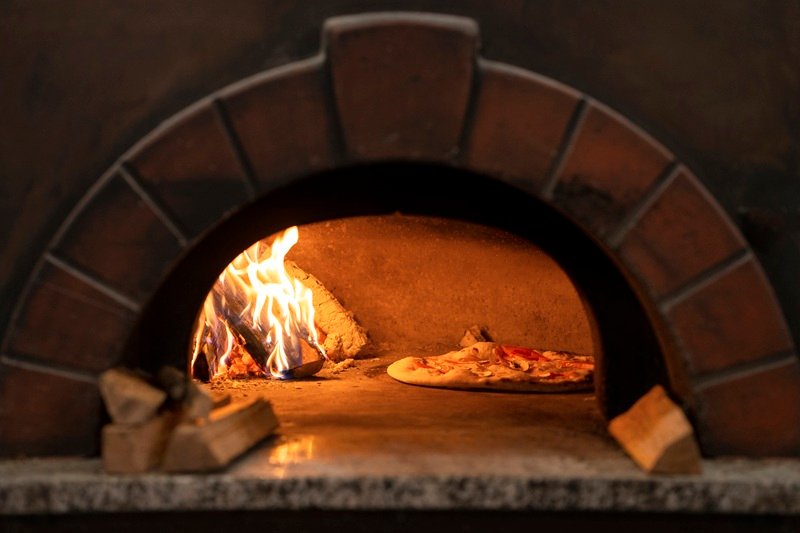
The oven itself is only part of the package, & pros check what else comes with it before making a decision. A good purchase should probably include a proper oven door, a flue kit, a digital thermometer & maybe a peel & brush. And you need to confirm what’s in the box versus what’s an extra! Some suppliers charge separately for the flue, which can be a shock if you’ve assumed it’s included, so always read the fine print, which is the reason people who research wood fired pizza oven for sale carefully usually end up happier with the outcome.
Warranty and After‑Sales Support Matter
Warranty & after‑sales support matter just as much, because a pizza oven is a long‑term investment. Look for a warranty that covers the refractory dome for at least five years, & check whether the manufacturer has an Australian presence for parts and service. A pro will also ask about the reputation of the supplier, including how quickly they respond to queries & whether they offer installation or just drop‑ship the oven. If a company can’t give you a straight answer on after‑sales support, that’s a sign to keep shopping.
Conclusion and Final Advice on Choosing the Right Wood Fired
Buying a wood fired pizza oven for sale in Australia comes down to checking the details that affect performance, safety & longevity, & the seven points above give you a solid starting point. Measure the firebox & dome, demand real refractory materials, and make sure the flue suits your local conditions, then check the insulation and build quality before you commit. Remember that a good oven is a long‑term investment, so factor in warranty and after‑sales support from a supplier you trust. Take your time, do your research, and you’ll end up with an oven that serves you well for decades to come. Now get out there and find the right one for your backyard or business!